 30-Day Money Back Guarantee

A bad training shirt shows its weakness fast. It rides up during bench, bunches under your belt, traps sweat through heavy sets, and starts feeling like a distraction instead of gear. That is exactly why compression shirts for weightlifting have earned a real place in serious training - not as hype, but as apparel built to stay locked in when the session gets heavy.
Not every lifter needs one. Not every compression top is worth buying either. But if you train hard, care about how your gear performs, and want apparel that feels as dialed-in as the rest of your setup, the right compression shirt can make a noticeable difference.
Why compression shirts for weightlifting matter
Weightlifting apparel gets judged by one standard - does it help you train better, or does it get in the way? Compression shirts sit in that first category when the fit, fabric, and construction are right.
The biggest benefit is stability. A compression shirt stays close to the body, which means less shifting through presses, rows, carries, and machine work. You are not pulling fabric back into place between sets or dealing with loose material catching under pads and benches. That sounds small until you train four or five days a week and realize small annoyances add up.
There is also the comfort factor. Compression fabric usually does a better job managing sweat than standard cotton tees, especially in long sessions or crowded gyms where the air feels dead by the second hour. A fitted shirt that moves sweat away from the skin can help you stay cooler and more focused, which matters when intensity climbs.
Some lifters also like the feeling of light support around the chest, shoulders, and upper back. It is not support in the same category as a belt, wrist wraps, or knee sleeves. It will not make up for poor positioning or weak upper-back engagement. What it can do is create a more secure, athletic feel that many people find useful during pressing and upper-body work.
What a compression shirt can and cannot do
This is where a lot of brands oversell. A compression shirt is performance apparel, not magic equipment.
It can improve comfort, reduce friction, keep fabric out of the way, and give you a more locked-in feel. For some athletes, it can also help with confidence. When your shirt fits clean, moves with you, and looks sharp, you carry yourself differently under the bar.
What it cannot do is fix technique, protect you from bad programming, or replace actual supportive gear. If your shoulders are unstable on bench, a shirt alone is not solving that. If your elbows are irritated from volume and mechanics, compression may feel better than a loose tee, but it is not treatment.
That trade-off matters because expectation shapes satisfaction. Lifters who buy compression wear for comfort and performance usually get what they want. Lifters who expect a dramatic strength boost usually end up disappointed.
How compression shirts should fit for lifting
Fit is everything. Too loose, and it is just another athletic shirt. Too tight, and it becomes restrictive in all the wrong ways.
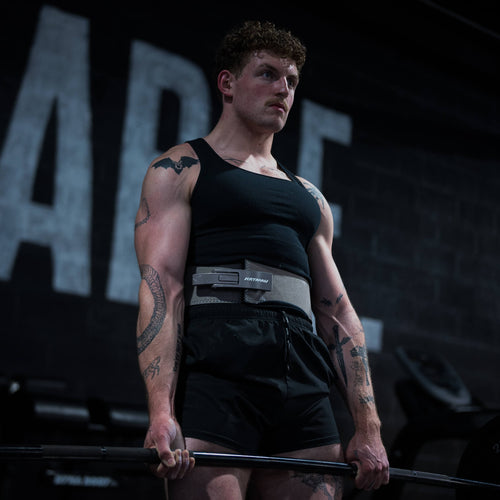
A proper compression shirt should feel snug across the chest, shoulders, and arms without limiting your range of motion. You should be able to bench, squat, press, and row without fighting the fabric. The shirt should stay close to your torso and not billow at the waist, especially if you wear a belt. Excess fabric under a belt gets annoying fast.
Sleeve length matters too. Some lifters like short sleeves for a cleaner feel around the upper arm, while others prefer long sleeves for extra coverage and warmth. Neither is universally better. It depends on your training environment, your preference, and whether you want more skin contact with bars, pads, or benches.
If you are between sizes, think about your goal. Size down only if the fabric still allows full movement. Size up if you want a slightly less aggressive fit for longer sessions or mixed training days. Compression should feel secure, not suffocating.
The best fabrics for compression shirts for weightlifting
Fabric is where good gear separates itself from throwaway gear. In lifting, the material needs stretch, recovery, and durability. If it loses shape after a few washes, the compression effect disappears and the shirt becomes dead weight in your rotation.
Look for synthetic blends with enough elasticity to move through pressing and pulling patterns without sagging. Moisture control matters, but so does thickness. Ultra-thin material can feel light at first, yet it often turns transparent, wears out faster, and offers less structure. On the other hand, a shirt that is too heavy can trap heat and feel oppressive during intense training blocks.
Flat seams are a strong sign of better construction. They reduce rubbing around the shoulders, under the arms, and along the torso. That matters more than people think, especially during high-volume sessions.
A good compression shirt should also hold up visually. Serious lifters care about performance, but they also care about presence. Gear that keeps its shape, color, and print after repeated training cycles feels premium because it is premium.
When to wear one and when to skip it
Compression shirts make the most sense when your session includes upper-body compounds, machine work, accessories, or high-volume bodybuilding training. They are especially useful if you sweat heavily, train in warm conditions, or want a close fit under other layers.
They also work well on days when you wear more support gear. A fitted shirt under a belt can feel cleaner than a loose tee that folds and bunches. Under a hoodie or pump cover, compression wear gives you a stable base layer that still performs once the outer layer comes off.
That said, some lifters prefer relaxed tees for deadlift-focused days, lighter sessions, or casual training. There is nothing wrong with that. The best setup is the one that matches your training style. Compression is a tool, not a rule.
If your gym runs cold, a long-sleeve compression shirt can be ideal for warm-ups and early sets. If your gym feels like a furnace, a short-sleeve or sleeveless option might be the better call. It depends on how you train and what conditions you are walking into.
What to look for before you buy
The best compression shirts for weightlifting are built for repeated abuse, not just a good product photo. Start with fabric retention. If the material stretches out after a few sessions, the shirt is done. Then look at seam quality, because weak stitching is usually the first thing to fail when a shirt gets pulled on and off repeatedly around sweaty training sessions.
Next, pay attention to cut. A shirt designed for lifting should fit the shoulders and chest well while staying clean through the midsection. If the torso is too long, it may bunch at the waist. If it is too short, it can ride up during overhead work or bench setup.
Then there is appearance. That matters more than generic fitness brands like to admit. Lifting culture is built on identity as much as function. If your gear performs but looks forgettable, it never really becomes part of your routine. The strongest apparel pieces are the ones you trust and actually want to wear.
That is where premium brands stand apart. When performance, durability, and style all hit at once, the shirt stops being an extra and starts becoming part of the uniform. Katamu understands that balance - gear should feel built for the work and sharp enough to match the mindset.
Are compression shirts worth it for serious lifters?
For a casual gym-goer, maybe not. For someone training with intent, they usually are.
The value is not in a dramatic transformation. It is in the cumulative effect of better fit, fewer distractions, stronger sweat control, and apparel that holds up under pressure. Serious lifters spend money on belts, sleeves, wraps, straps, and shoes because details matter when performance matters. A well-made compression shirt belongs in that same conversation if upper-body comfort and training feel are priorities for you.
Price still matters, of course. Cheap compression gear can look decent online and feel terrible once it is soaked in sweat and pulled through real movement. Spending a little more for better fabric, better recovery, and better construction usually pays off because the shirt stays in your rotation longer.
The smartest move is to buy based on how you actually train. If you are grinding through pressing volume, bodybuilding accessories, and long gym sessions every week, compression wear makes a lot of sense. If you only lift occasionally and do not care much about fit or fabric performance, you may not notice enough difference to justify it.
The right shirt will not make the weight lighter. It will make your setup cleaner, your movement less distracted, and your training feel more intentional. And when you take training seriously, that is more than enough reason to wear one.
