 30-Day Money Back Guarantee

Are your wrists holding back your progress in the gym? Elevate your 2026 training with the right wrist wraps gym strategy. These powerful tools are a game-changer for lifters at every level, unlocking new strength and safety in your workouts.
This handbook is your essential resource for mastering wrist wraps gym techniques. You'll find up-to-date advice on boosting performance, preventing injuries, and making every rep count.
Inside, you'll explore the science behind wrist wraps gym benefits, learn how to choose the perfect pair, master usage, debunk myths, and get expert tips for integrating them into your routine. Start making every lift count—your best gym year starts here.
Understanding Wrist Wraps: What, Why, and Who Needs Them
Getting started with wrist wraps gym essentials means understanding their design, purpose, and who can truly benefit. Whether you're new to the gym or a seasoned lifter, knowing the basics sets the stage for safer and stronger workouts.
What Are Wrist Wraps?
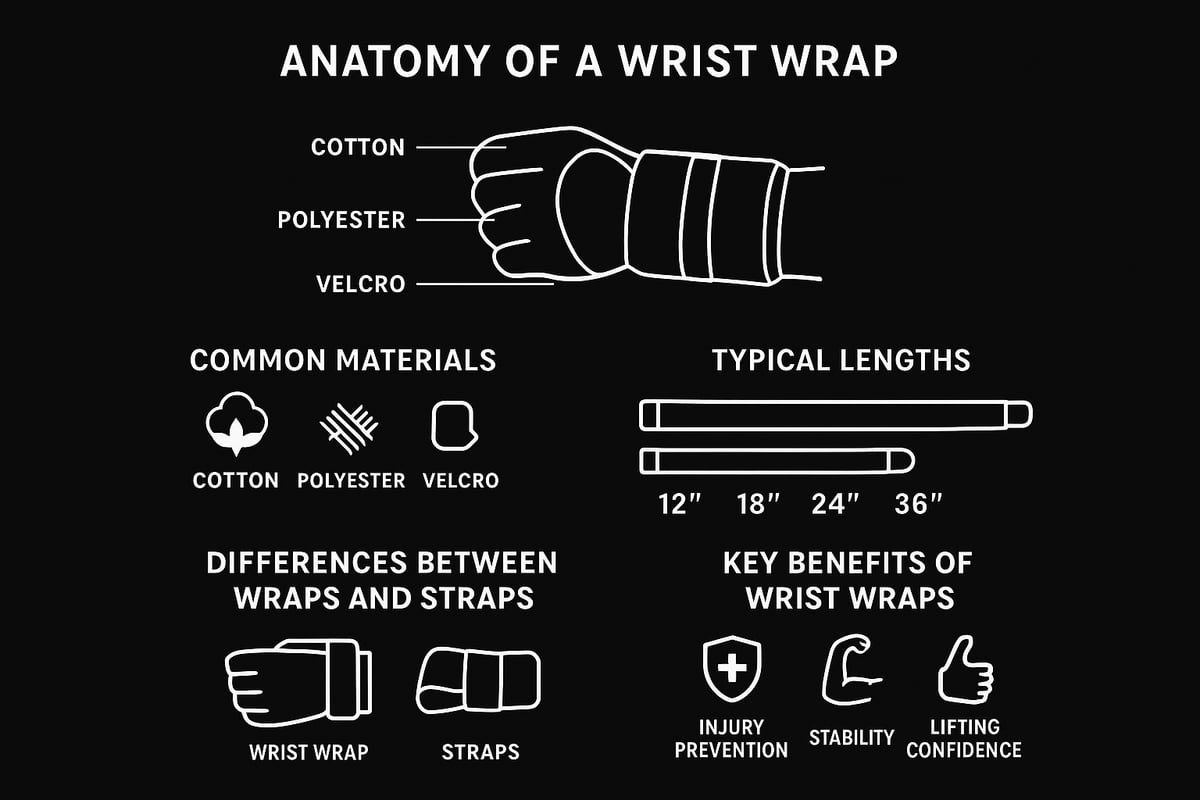
Wrist wraps are elastic bands designed to support your wrists during heavy lifts. They usually feature Velcro closures and thumb loops for a secure fit. Common materials include:
- Cotton
- Polyester
- Cotton-polyester blends
Lengths range from 12 to 36 inches, with varying stiffness to suit different needs. Unlike wrist straps, which help you grip the bar, wrist wraps gym products focus on stabilizing your wrist joint. If you're unsure about the distinction, check out the Good Wrist Straps Guide for a detailed comparison.
For first-time users, imagine a flexible band wrapped snugly around your wrist, just below the palm, offering instant support and stability.
The Science of Wrist Support: How Wrist Wraps Work
The wrist is a complex joint, and during pressing or overhead exercises, it experiences significant stress. Wrist wraps gym gear acts as a brace, limiting excessive movement. This stabilization distributes pressure more evenly across the joint.
Studies show that proper wrist support can reduce strain, lower the risk of sprains, and even improve performance. In sports like powerlifting and bodybuilding, athletes rely on wraps to prevent overuse injuries. For example, lifters who regularly bench press with wraps report fewer issues with wrist pain and instability.
Who Should Use Wrist Wraps?
Wrist wraps gym accessories are popular among powerlifters, bodybuilders, CrossFit athletes, and even recreational lifters. They're especially recommended if you:
- Experience wrist pain during pressing
- Feel instability under heavy loads
- Hit plateaus in your personal records (PRs)
Age and experience level matter too. Older athletes or those with a history of wrist injuries often benefit most. Both men and women, from beginners to advanced, have shared success stories after adding wraps to their gear.
Benefits of Wrist Wraps in the Gym
Why are wrist wraps gym essentials for so many lifters? The main benefits include:
- Enhanced stability for bench and overhead presses
- Increased confidence and safety under heavy weights
- Better form and technique maintenance
- Potential for higher PRs and more training volume
Competitive lifters use wrist wraps at high rates. For instance, surveys show that over 70% of powerlifters regularly use wraps for heavy pressing movements.
Drawbacks and Limitations
While wrist wraps gym products are effective, they're not perfect for every situation. Over-relying on them can weaken your natural wrist strength. They're not suitable for all exercises, especially for beginners or during warm-ups.
Potential issues include:
- Improper use leading to injury
- Using wraps for the wrong exercises
- Believing myths, such as wraps making you instantly stronger
Experts suggest using wrist wraps only when necessary and focusing on building wrist strength alongside support. Always listen to your body and consult a coach if unsure.
Choosing the Right Wrist Wraps for You
Ready to elevate your wrist wraps gym experience in 2026? Choosing the right wrist wraps is a game-changer for support, safety, and performance. With so many options, it is important to know what to look for before investing in your next pair.
Types of Wrist Wraps: Stiffness, Length, and Material
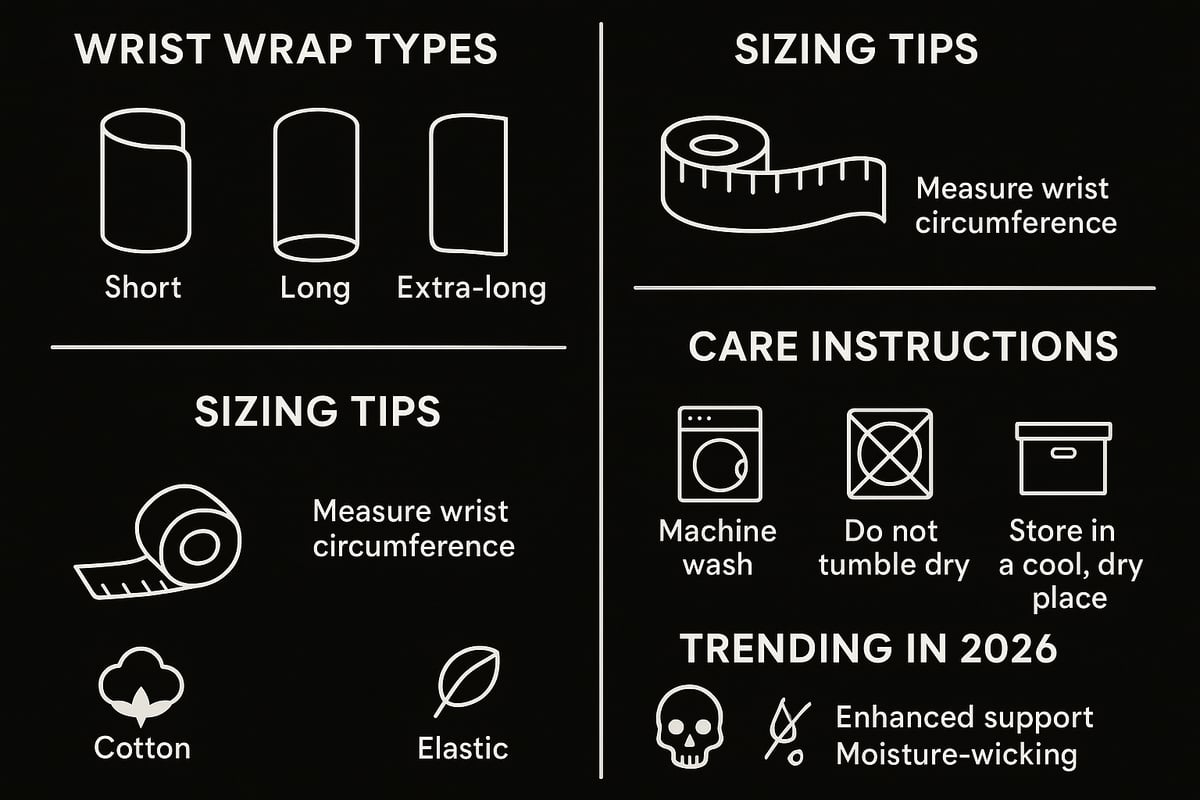
When searching for your ideal wrist wraps gym accessory, consider the main types available. Light wraps offer flexibility and comfort, suitable for high-rep training or beginners. Stiff wraps provide maximum support for heavy lifts but might feel restrictive.
Lengths usually range from 12 to 36 inches. Shorter wraps are compact and easy to manage, while longer ones deliver extra stability for serious lifters. Materials like cotton are soft and breathable, polyester adds durability, and blends give you the best of both. Closures matter too—Velcro is quick and secure, while thumb loops help with easy application. Popular models in each category let you match your wrist wraps gym needs to your lifting style.
| Type | Stiffness | Lengths (in) | Material | Closure |
|---|---|---|---|---|
| Light | Flexible | 12, 18 | Cotton | Velcro |
| Stiff | Rigid | 24, 36 | Polyester | Thumb loop |
Factors to Consider Before Buying
Before making your wrist wraps gym purchase, think about your training style. Do you focus on powerlifting, bodybuilding, or CrossFit? The right wrap supports your main lifts and personal goals.
Comfort is key—look for adjustable wraps that feel secure without limiting movement. Breathability and washability matter, especially for frequent use. Price ranges widely, so compare value, not just cost. User reviews and ratings offer real insight into durability and satisfaction. Prioritize wraps with consistent positive feedback and a reputation for reliability in the wrist wraps gym community.
- Training style: power, volume, or mixed
- Comfort: adjustable, breathable
- Durability: reinforced stitching
- Price: compare features, not just cost
- Reviews: look for real user feedback
Sizing and Fit Guide
Proper fit ensures your wrist wraps gym investment delivers optimal support. Measure your wrist circumference just below the palm with a flexible tape. Use sizing charts provided by brands to match your measurement to the correct wrap length.
When trying on wrist wraps gym products, aim for a snug fit that is secure, yet does not cut off circulation. Test both in-store and at home to ensure comfort. Avoid wraps that are too tight or too loose, as either can lead to discomfort or decreased performance. Remember, a correct fit is essential for safety and results.
Common mistakes:
- Ignoring sizing charts
- Over-tightening wraps
- Failing to test movement range
Top-Rated Wrist Wraps for 2026
The best wrist wraps gym options for 2026 stand out for their blend of durability, support, and modern features. Top brands prioritize reinforced stitching, reliable Velcro, and eco-friendly materials. Popular models like those featured in the White Dragon Wrist Wraps Review offer a balance of stability and comfort, making them a favorite among serious lifters.
User feedback often highlights superior grip, easy adjustments, and lasting elasticity. Look for wraps with safety certifications and solid warranties. Trends for 2026 include sustainable fabrics and unique customization options, ensuring your gear matches your style and values.
Care, Maintenance, and Longevity
To keep your wrist wraps gym gear fresh and functional, regular care is essential. Wash wraps by hand or on a gentle machine cycle, then air dry to maintain elasticity. Store them rolled up in a breathable bag to prevent odor and bacteria buildup.
Replace your wrist wraps gym accessory when you notice fraying, loss of stretch, or weakened Velcro. Extending lifespan is simple: avoid excessive heat, never overstretch, and stick to proper cleaning routines. Most users report wraps lasting six months to a year with regular use, making maintenance a smart investment in your gym journey.
How to Use Wrist Wraps Safely and Effectively: Step-by-Step Guide
Ready to unlock the full benefits of wrist wraps gym support? This step-by-step guide will walk you through how to use wrist wraps correctly, from workout timing to care and troubleshooting. Whether you are a beginner or a seasoned athlete, mastering these essentials is key for safety and progress.
When to Use Wrist Wraps in Your Workout
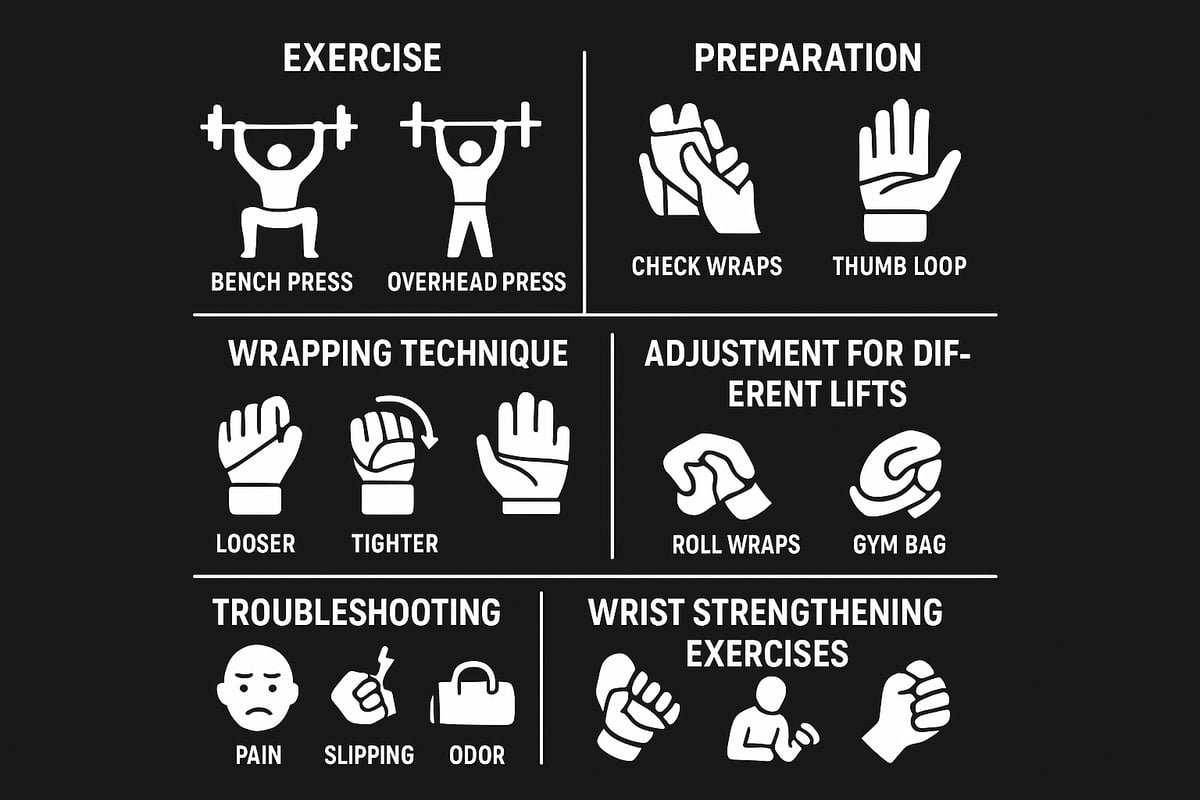
Knowing when to reach for your wrist wraps gym accessory can make a big difference in both performance and injury prevention. Wrist wraps shine during pressing movements like bench presses, overhead presses, and heavy dumbbell work. These exercises put significant stress on the wrist joint, making added support crucial.
However, wrist wraps gym gear is not needed for every lift. Avoid using them during deadlifts, cardio, or warm-ups where natural wrist movement is beneficial. For beginners, limit use to your heaviest sets, while advanced lifters may choose to wear them for most pressing work.
Listen to your body. If you notice wrist pain, instability, or a plateau in your lifts, it may be time to add wrist wraps gym support. Competitive lifters can benefit from referencing Wrist Wrap Use in Powerlifters for research-backed insights on when and how to integrate this tool into their routine.
Sample split:
- Press days: Wrist wraps for heavy sets
- Pull days: Minimal or no use
- Accessory work: Use as needed
Step 1: Preparing Your Wrist Wraps
Before each session, inspect your wrist wraps gym equipment for any signs of wear, such as fraying or stretched material. Lay them out flat and align the thumb loop and Velcro for quick and easy application.
Having your wrist wraps gym gear ready in your gym bag saves time and ensures you never skip this important safety step. Adjust the thumb loop for your dominant hand if needed, and check that the Velcro is clean and free of debris.
A quick wrist warm-up—like wrist circles or gentle stretches—prepares your joints for the extra support. This routine helps prevent stiffness and enhances the benefits of your wrist wraps gym accessory.
Step 2: Proper Wrapping Technique
Position your wrist wraps gym product just below the base of your palm, covering the wrist joint but allowing finger movement. Begin wrapping in the direction that feels most natural, usually toward your thumb.
Apply even tension as you wrap, ensuring the wrist is supported but not constricted. Secure the wrap with the thumb loop or Velcro closure, double-checking that it stays in place during movement.
Common mistakes include wrapping too loosely, which reduces support, or too tightly, which can cut off circulation. Test your grip and make small adjustments until your wrist wraps gym fit feels snug and stable.
Step 3: Adjusting for Different Lifts
Not every lift requires the same level of support from your wrist wraps gym gear. For maximum-effort lifts like heavy bench presses, wrap more tightly to maximize stability. For higher-rep or volume work, a looser wrap may provide enough support without restricting blood flow.
You can customize the overlap of the wrap for additional firmness or flexibility. Switching between exercises is easy—simply loosen or tighten your wrist wraps gym accessory as needed.
Strength coaches often recommend experimenting with both tightness and overlap to find what works best for your anatomy and lifting style. For example, bench presses may need a firmer wrap, while overhead presses can feel better with a bit more give.
Step 4: Removing and Storing Wrist Wraps
After your workout, remove your wrist wraps gym support gently to avoid overstretching the material. Unwrap slowly, release the thumb loop or Velcro, and lay the wraps flat.
Roll them neatly for storage in your gym bag. This prevents tangling and helps maintain the shape and elasticity of your wrist wraps gym gear. Post-workout, wipe the wraps with a clean towel to remove sweat and prevent odor or bacteria buildup.
Consider using a mesh pouch or breathable container in your bag to keep your wrist wraps gym accessory dry and fresh between sessions.
Troubleshooting Common Issues
If you experience discomfort or pain while using your wrist wraps gym product, check for incorrect positioning or excessive tightness. Slipping or unraveling during sets usually signals worn Velcro or improper wrapping technique.
Loss of elasticity is a common issue after extended use. If your wrist wraps gym gear no longer provides firm support, it’s time to replace them. Some users may notice skin irritation or allergic reactions—try switching to wraps made from hypoallergenic materials.
If problems persist, consult a fitness professional or physical therapist for advice tailored to your needs.
Training Tips for Wrist Strength and Flexibility
While wrist wraps gym gear offers valuable support, it’s important to train your wrists for strength and flexibility. Incorporate exercises like wrist curls, reverse curls, and wrist rotations into your routine.
Balance the use of wrist wraps gym support with raw wrist training. This reduces the risk of over-dependence and helps maintain natural joint strength. Stretching before and after workouts keeps your wrists supple and less prone to injury.
Research shows that lifters who combine wraps with targeted wrist training experience lower injury rates and better performance over time.
Mistakes to Avoid with Wrist Wraps
Avoid using wrist wraps gym equipment for exercises where wrist mobility is vital, such as deadlifts or Olympic lifts. Wrapping too tightly or loosely can either restrict blood flow or fail to provide adequate support.
Don’t skip wrist warm-ups and cooldowns, as these are essential for long-term joint health. Ignoring pain or overuse signals can turn minor issues into serious injuries.
Learning from others’ mistakes—like improper wrapping or using old, worn-out wrist wraps gym gear—will help you get the most from your training while staying safe.
Wrist Wraps Myths, Misconceptions, and FAQs
Unlocking the real benefits of wrist wraps gym gear means separating fact from fiction. Too many lifters get held back by old beliefs or confusion about what wrist wraps gym accessories actually do. Let’s clear the air and put these myths to rest.
Debunking Common Wrist Wrap Myths
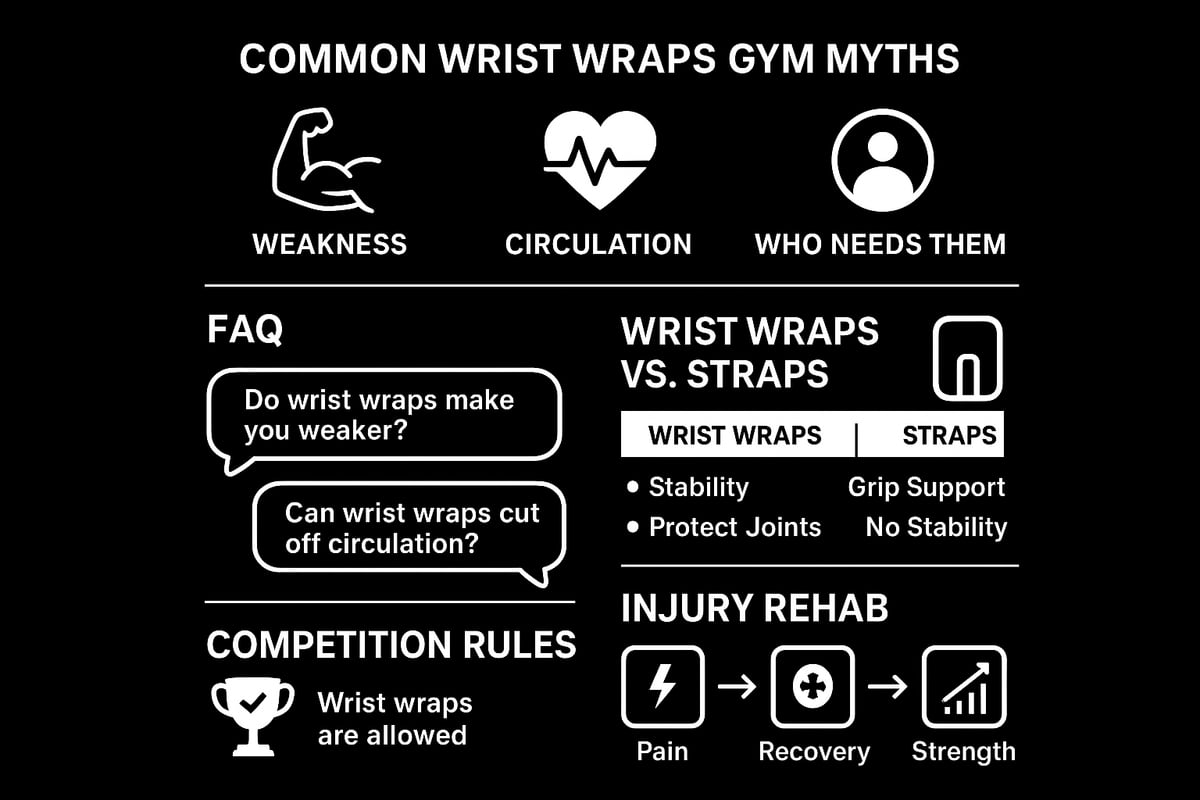
Think wrist wraps gym use makes you weaker? Research shows otherwise. The idea that wraps reduce strength is a myth. Studies, like Wrist Wraps and Handgrip Strength, reveal no decrease in grip or muscle development with proper use.
Some believe wrist wraps gym gear cuts off circulation or damages joints. In reality, wraps are designed for support, not restriction. When used correctly, they stabilize the wrist without harming blood flow or joint health.
Another myth is that only elite athletes need wrist wraps gym support. In fact, anyone experiencing wrist discomfort or aiming for heavier lifts can benefit. Experts agree that proper technique and mindful use are key.
Frequently Asked Questions About Wrist Wraps
How long should you wear wrist wraps gym gear in a session? Only during sets that challenge your wrist stability, not the entire workout. Can beginners use them? Yes, but only when needed for support, not as a crutch.
Are wrist wraps gym products allowed in competitions? Most federations permit them within certain specifications. Replace wraps every 6 to 12 months, depending on wear. Check official guidelines for the latest rules.
Choosing the right wrist wraps gym gear depends on your training goals, comfort, and wrist health. Always listen to your body and consult a coach if unsure.
Wrist Wraps vs. Wrist Straps: Key Differences
Confusing wrist wraps gym accessories with wrist straps? You’re not alone. Here’s a quick comparison:
| Feature | Wrist Wraps Gym | Wrist Straps |
|---|---|---|
| Purpose | Stabilize wrists | Assist grip |
| Common Use | Presses, overheads | Deadlifts, pulls |
| Design | Short, elastic band | Long, looped strap |
| Risk of confusion | Moderate | Moderate |
Wrist wraps gym tools are for joint support, while straps help you hold more weight when grip strength is the limit. Using the wrong one can limit progress or cause injury.
Are Wrist Wraps Allowed in Powerlifting and Other Competitions?
Wondering if your wrist wraps gym gear will pass at your next meet? Most federations like IPF, USAPL, and CrossFit have clear rules. Approved wraps must meet length and material specs. Brands must often be on an approved list.
Non-compliance can lead to disqualification. Always check the latest rulebook before competing. Recent competitions have seen lifters penalized for using non-approved wraps, so double-check your gear.
For serious competitors, understanding these regulations is just as important as mastering your lifts.
Wrist Wraps for Injury Rehab and Prevention
Wrist wraps gym products can be helpful in injury rehab, but only if guided by a professional. Physical therapists sometimes recommend wraps during recovery to provide extra stability.
However, overuse can slow healing. Integrating wrist wraps gym gear into a rehab plan should be done with care. Case studies show faster recovery when wraps are used appropriately, but unnecessary use can delay progress.
Pay attention to your recovery timeline, and always follow medical advice when using wrist wraps gym equipment for injury prevention or rehab.
Integrating Wrist Wraps into Your 2026 Training Routine
Want to get the most out of your wrist wraps gym experience in 2026? Integrating wrist wraps into your routine is more than just wrapping up before heavy lifts. It means structuring your workouts, choosing the right styles, and staying updated with the latest gear and trends. Let’s break down how to make wrist wraps gym a seamless, powerful part of your training.
Building a Wrist Wrap-Friendly Training Program
A smart wrist wraps gym program starts with planning your workouts around wrist health. Begin each week by identifying which sessions involve heavy pressing or overhead lifts. Use wrist wraps when you’re pushing for new personal records or working with challenging loads, but let your wrists work unaided on lighter days.
Consider periodization: alternate phases of raw training with phases where you use wrist wraps gym for extra support. This helps keep your wrists strong and avoids over-reliance. Monitor your progress with a simple table:
| Day | Exercise Focus | Wrist Wraps Used? |
|---|---|---|
| Monday | Bench Press (heavy) | Yes |
| Wednesday | Pull-ups | No |
| Friday | Overhead Press | Yes |
Keep track of wrist comfort and make adjustments if you notice fatigue or pain.
Wrist Wraps for Different Lifting Styles
Wrist wraps gym routines look different depending on your lifting style. Powerlifters often rely on wraps for max-effort bench presses and overhead lifts. In bodybuilding, wrist wraps can help maintain form during high-volume sessions, protecting joints during repetitive pressing.
CrossFit athletes benefit from wrist wraps during high-rep, dynamic movements like handstand push-ups or thrusters. Olympic lifters use them for added stability during snatches and jerks, where wrist angles are extreme. Customize your wrist wraps gym usage to your discipline—there’s no one-size-fits-all approach.
Advanced Tips from Coaches and Athletes
Elite lifters and coaches recommend listening to your body. Use wrist wraps gym for lifts where you feel instability, but avoid wrapping for every move. Focus on a proper warm-up and cooldown with wrist mobility drills. Track your lifts—if you hit a plateau, try alternating between wrapped and raw sets.
Many top athletes suggest choosing high-quality wraps for reliability. For example, the Never Give Up Wrist Wraps are favored for their durability and support during intense sessions. Remember, smart wrist wraps gym use means balancing protection with building raw strength.
Accessorizing: What to Pair with Wrist Wraps
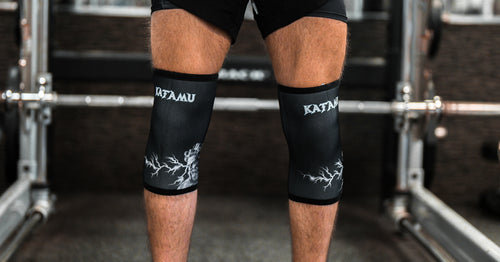
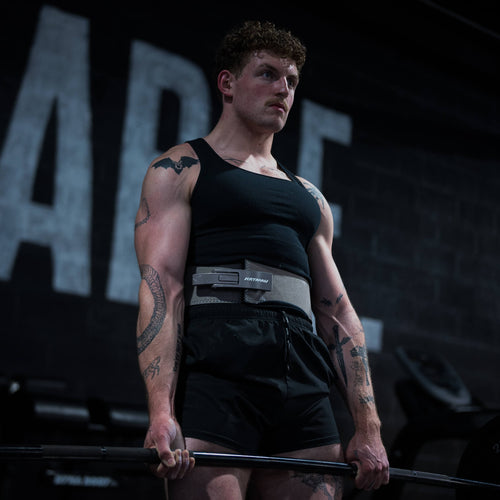
Optimizing your wrist wraps gym setup includes pairing wraps with other supportive gear. Consider wearing a lifting belt during heavy squats or deadlifts, and knee sleeves for leg days. Some lifters layer wraps with gloves or tape for added grip and comfort.
Pack essentials in your gym bag: keep a spare pair of wrist wraps, a cleaning pouch, and wrist mobility bands. Look for wraps that match your style—many brands now offer color and pattern options to complement your gym apparel. For those serious about wrist wraps gym, investing in quality accessories can make every session smoother and safer.
The Future of Wrist Wraps: Innovations and Trends for 2026
The wrist wraps gym world is evolving fast. Expect to see wraps made from eco-friendly, recycled materials and customizable designs to fit your personality. Some brands are introducing smart wraps with sensors that track wrist pressure and movement, giving real-time feedback on your technique.
Industry experts predict more breathable fabrics and enhanced adjustability for 2026. Personalization—think custom colors, prints, and even your name stitched in—will become the norm. Stay ahead by following these trends, and you’ll keep your wrist wraps gym routine fresh and effective.
Now that you know how wrist wraps can boost your confidence and protect your joints during heavy lifts, why not take the next step for your training? If you’re looking for gear that actually lasts and looks awesome in the gym, I’ve got you covered. Katamu’s lineup is built for everyday lifters like us—premium materials, cool designs, and all the support you need to keep smashing your goals in 2026 and beyond. Ready to feel the difference on your next set? Level up your lifts
