
 30-Day Money Back Guarantee

Unlock your true strength in 2026 and master the science and strategy behind pr weights for next-level gym progress.
Tracking and optimizing pr weights is more important than ever in modern strength training. It helps you measure progress, stay motivated, and break through stubborn plateaus.
Understanding how to use pr weights can maximize your gains, personalize every workout, and keep your routines fresh. This essential handbook promises a step-by-step guide packed with the latest strategies, tools, and expert advice.
Get ready to demystify pr weights, learn how to set and break records safely, and discover proven tactics for every fitness level. We will cover fundamentals, setting PRs, tracking progress, optimizing routines, advanced strategies, and future trends.
Understanding PR Weights: The Foundation of Strength Training
Unlocking your true potential in the gym starts with understanding pr weights. These numbers represent your best performances and form the backbone of any effective strength training program. Whether you are a beginner or a seasoned athlete, tracking and optimizing pr weights can transform your progress and keep you motivated every step of the way.
Defining PR Weights and Their Importance
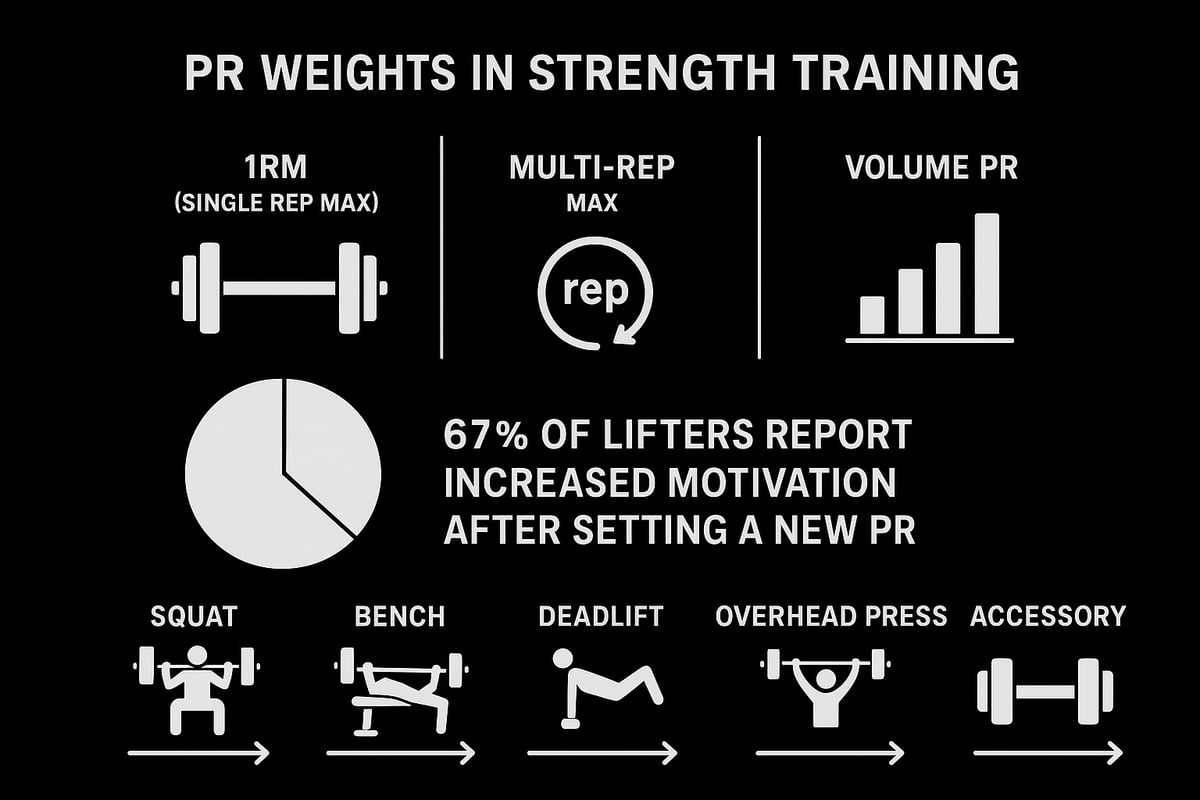
Pr weights, or personal record weights, are the heaviest loads you have successfully lifted for a given movement or rep range. Most commonly, people refer to their 1RM, which is the maximum amount of weight lifted for one repetition. However, pr weights can also be set for multiple reps (such as a 5RM) or for total volume, like the most weight moved in a single session.
Why do pr weights matter so much? They serve as benchmarks for your progress, offering clear evidence of improvement over time. This measurement not only guides your training but also fuels motivation. In fact, studies show that 67% of lifters feel more motivated after achieving a new pr weights milestone. The psychological boost from breaking a record can be just as powerful as the physical gains.
Tracking pr weights also allows you to personalize your workouts and avoid stagnation. By understanding how your body responds to different loads, you can choose the most effective strategies for continuous progress. For a deeper dive on how different training loads impact strength adaptations, check out this Systematic Review on Strength Training Adaptations.
Types of PRs and How They’re Used
Pr weights come in various forms, each offering unique insights into your strength journey. The classic single-rep PR (1RM) is the gold standard for maximum strength. Multi-rep PRs, such as 3RM or 5RM, test your ability to move heavy weights for more repetitions. Volume PRs track the total weight lifted across all sets, highlighting endurance and work capacity.
Let’s compare these types:
| PR Type | Example Lift | What It Measures | Who Uses It Most |
|---|---|---|---|
| 1RM | Squat | Maximal strength | Powerlifters |
| 5RM | Bench Press | Strength endurance | Bodybuilders |
| Volume PR | Deadlift | Total workload | Functional fitness |
Pr weights are tracked in all major lifts, including squat, bench press, deadlift, and overhead press. Even accessory movements, like pull-ups or lunges, can have their own PRs. In powerlifting, athletes focus on maximizing their 1RM in the big three lifts, while bodybuilders may chase multi-rep or volume PRs for hypertrophy. Functional fitness and CrossFit athletes track pr weights across a variety of movements, often combining strength with endurance.
Common Myths and Misconceptions
There are several myths surrounding pr weights that can hold lifters back. One common misconception is that you should chase a new PR every session. In reality, constant maxing out can lead to burnout or injury. Progress is best achieved through structured, gradual increases.
Another myth suggests that pr weights are only important for advanced lifters. In fact, beginners benefit greatly from tracking their progress, as it builds confidence and sets the stage for long-term growth.
It is also crucial to differentiate between safe PR attempts and ego lifting. Smart lifters plan their pr weights attempts carefully, using proper form and safety measures. Ego lifting, or attempting a PR without proper preparation, increases the risk of injury and stalls progress.
Understanding these truths about pr weights empowers you to train smarter, stay motivated, and achieve your goals safely.
Setting and Achieving Your PRs: Step-by-Step Guide for 2026
Ready to start smashing your pr weights in 2026? This step-by-step guide will walk you through the entire process, from assessing your current strength to preparing mentally for your next big lift. Whether you are a beginner or a seasoned lifter, following these steps ensures safe, steady progress.
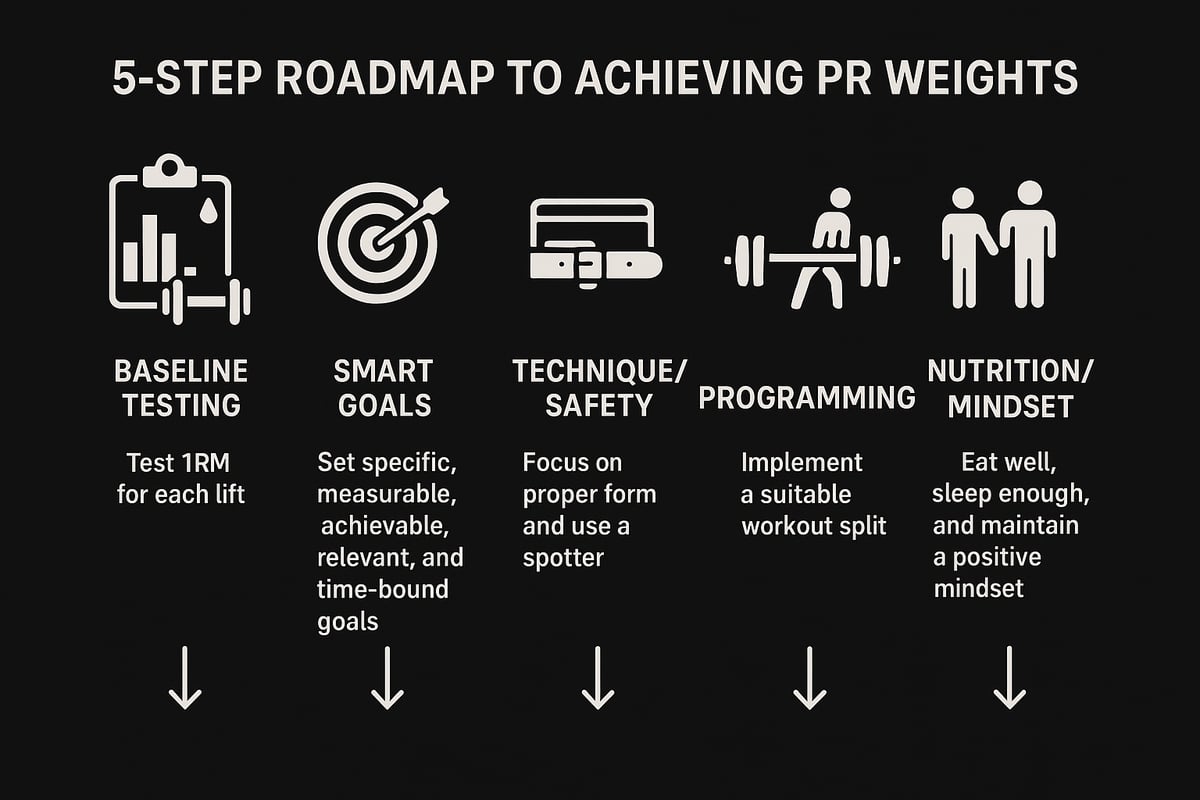
Step 1: Establishing Your Baseline
Every journey with pr weights starts with knowing exactly where you stand. Begin by testing your current maxes for key lifts like squat, bench press, and deadlift. Always perform a thorough warm-up, including dynamic stretches and lighter sets, to prepare your muscles and joints.
Safety is a must. Use spotters when attempting heavy singles and make sure your lifting area is clear. For those not ready to test a true one-rep max, use reputable calculators or mobile apps to estimate your max based on submaximal sets. This approach prevents unnecessary risk while still giving you a solid baseline.
Keep a detailed log of your results, including the lift, weight, reps, and how you felt. This data will be the foundation for all future pr weights improvements.
Step 2: Goal Setting and Periodization
Setting clear, realistic goals is crucial for consistent progress with pr weights. Use the SMART framework: Specific, Measurable, Achievable, Relevant, and Time-bound. For example, "Increase my deadlift pr weights by 10 kg in 12 weeks."
Periodization is your blueprint for success. Choose from linear (steady increases), undulating (varying intensity), or block (focused phases) periodization models. Each has its place, depending on your experience and preferences.
Here’s a simple 12-week progression plan:
| Week | Focus | Intensity | Volume | PR Test |
|---|---|---|---|---|
| 1-4 | Base Build | Moderate | High | No |
| 5-8 | Strength | High | Medium | No |
| 9-12 | Peak/Taper | Very High | Low | Yes |
Tracking your pr weights against these goals keeps motivation high and setbacks in perspective.
Step 3: Technique, Form, and Safety
Proper technique is non-negotiable when it comes to pr weights. Focus on perfecting your form before pushing heavier loads. Incorrect technique not only stalls progress but also increases injury risk.
Always use spotters for heavy attempts and invest in reliable safety equipment. Quality lifting belts, wrist wraps, and shoes provide essential support. If you are unsure which belt suits your needs, check out this guide on Choosing the Best Weightlifting Belt for expert tips.
Sports medicine research shows that using correct form and appropriate gear can reduce injury rates by up to 30 percent. Make form checks a regular part of your pr weights journey to keep lifting safely.
Step 4: Programming for PR Success
To consistently improve your pr weights, integrate PR attempts strategically into your weekly routine. Avoid maxing out every session, as this can quickly lead to burnout or injury.
Balance heavy lifting days with lighter, high-rep sessions and prioritize recovery. A sample pr weights-focused split might look like this:
- Monday: Squat (heavy), accessory work
- Wednesday: Bench (moderate), shoulders
- Friday: Deadlift (heavy), back
- Saturday: Active recovery or mobility
Adjust volume and intensity based on your feedback and progress. Remember, the goal is steady improvement, not quick burnout.
Step 5: Nutrition, Recovery, and Mindset
Fueling your body is just as important as the work you put in at the gym. On pr weights days, prioritize complex carbs, lean proteins, and hydration for optimal energy. Quality sleep and active recovery routines help your muscles repair and grow stronger.
Mental preparation can make or break a PR attempt. Use visualization techniques, positive self-talk, and realistic expectations to build confidence. Elite athletes often rehearse their lifts mentally before stepping onto the platform.
If you hit a plateau, reassess your routine, nutrition, and mindset. Sometimes a short deload or a shift in focus is all you need to break through and set new pr weights.
Tracking and Analyzing Your Progress
Tracking and analyzing your progress with pr weights is the secret weapon for consistent strength gains. Without effective tracking, it is easy to lose sight of improvements or miss early signs of a plateau. Modern tools and community support make it easier than ever to stay accountable and motivated.
Tools and Methods for PR Tracking
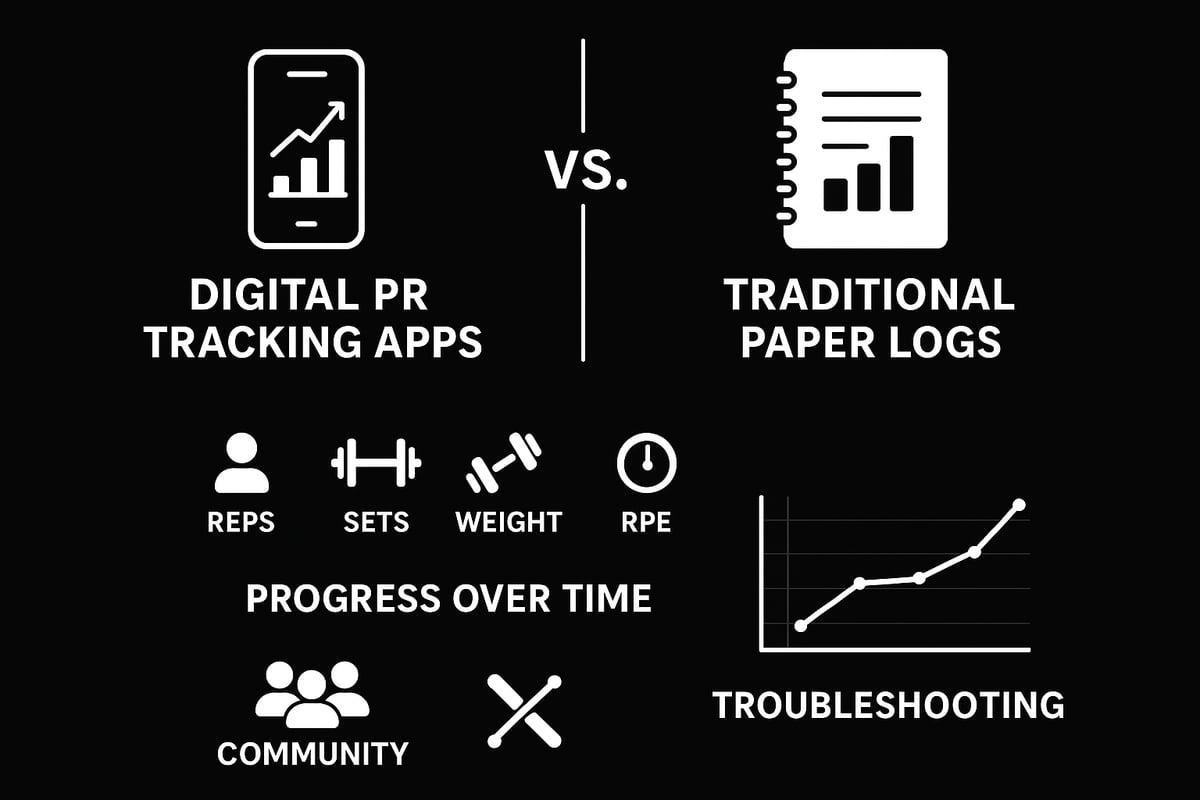
Choosing the right tools for tracking pr weights makes a big difference in your long-term progress. Many lifters now rely on digital apps, which offer features like automatic calculation of 1RM, reminders, and progress charts. According to fitness app analytics, 78% of lifters use mobile apps to track their pr weights.
Traditional training logs, such as notebooks, still appeal to those who prefer a tangible record. The main difference is that apps can provide instant feedback and data visualization, while paper logs require manual updates.
| Tracking Method | Pros | Cons |
|---|---|---|
| Digital Apps | Automated stats, reminders | Tech learning curve |
| Paper Logs | Simple, customizable | No instant analytics |
Whether you choose digital or analog, the key is consistency. For many, using both provides the best of both worlds. Integrating pr weights into your weekly review helps you spot trends and stay motivated.
Key Metrics to Monitor
To make the most of your pr weights journey, you need to track more than just the numbers on the bar. Critical metrics include:
- Weight lifted for each exercise
- Number of reps and sets completed
- Rest intervals between sets
- Rate of perceived exertion (RPE)
- Velocity-based training (VBT) speed data
Tracking these pr weights metrics gives you a full picture of your progress. Many apps now allow you to graph these data points to visualize trends over time.
Progression charts help you see not only when you hit a new PR, but also how your total volume and intensity evolve. This makes it easier to adjust your training plan and stay on the path to new personal bests.
Troubleshooting Stalls and Plateaus
Everyone faces periods where pr weights stop moving up. Recognizing early signs of stagnation is crucial for continued growth. Common indicators include lack of progress in three consecutive sessions or increased fatigue.
To overcome plateaus, try these steps:
- Adjust training volume or intensity
- Change exercise variations
- Incorporate a deload week to recover
- Review nutrition and sleep habits
Psychological factors can also impact progress. Competitive pressure or fear of failure may hold you back. For insights on how pressure influences risk-taking and success in lifting, check out this research on the Impact of Pressure on Risk-Taking in Bench Press Competitions.
Being proactive with troubleshooting ensures your pr weights journey stays on track.
The Role of Community and Social Accountability
Sharing your pr weights milestones with a community can boost motivation and consistency. Many lifters post their PRs on social platforms or join online leaderboards to stay accountable.
Virtual competitions and peer support are powerful motivators. When you see others breaking through plateaus, it inspires you to push harder. Online groups also offer feedback and celebrate your wins, making the journey more enjoyable.
Building a support network helps keep your pr weights progress steady. Whether you prefer in-person gym buddies or digital communities, social accountability is a proven way to stick to your goals and break new records.
Optimizing Your Training Routine for PR Breakthroughs
Reaching new heights with your pr weights requires more than just brute strength or motivation. Fine-tuning your training routine is essential for unlocking consistent progress, avoiding injury, and staying excited about your fitness journey. Let’s break down the strategies that will help you smash your next PR in 2026.
Customizing Your Routine for Individual Goals
Personalization is the secret sauce for boosting your pr weights. Start by assessing your weak points—mobility, stability, or technique. Addressing these areas with targeted accessory exercises can make a huge difference. For example, if your squat stalls at the bottom, adding pause squats or hip mobility drills can help.
- Identify weaknesses: Are you lacking in core stability or shoulder mobility?
- Choose accessory lifts: Romanian deadlifts, face pulls, or Bulgarian split squats.
- Adjust technique: Record lifts to spot form breakdowns.
A focused approach can add up to 10 percent to your pr weights in just eight weeks. Test, tweak, and track your progress for the best results.
Progressive Overload: The Science Behind Continuous Gains
Progressive overload is the backbone of increasing your pr weights. This principle means you gradually make your workouts harder over time. You can do this by increasing the weight, adding more reps or sets, or cutting down rest intervals.
Here are proven methods to apply progressive overload:
- Add 2.5–5 kg to lifts every few weeks
- Increase reps within the same weight range
- Add extra sets for volume
- Reduce rest between sets for intensity
Studies have shown that lifters who use progressive overload see up to 20 percent greater gains in pr weights compared to those who do not. Keep your training log updated to visualize your growth.
Recovery, Mobility, and Injury Prevention
Optimal recovery is critical for consistent pr weights progress. Without enough rest, your body cannot adapt or grow stronger. Schedule active recovery days with light cardio or stretching, and use deload weeks every 4–8 weeks to reset.
- Incorporate mobility drills: foam rolling, dynamic stretches
- Use sleep and hydration as recovery tools
- Monitor for common injuries: shoulder strains, lower back pain
Prioritizing recovery can prevent setbacks and keep you chasing new pr weights safely. Remember, injury prevention is as important as the lift itself.
Premium Lifting Gear for PR Success
Investing in quality gear can make all the difference in your pr weights journey. Lifting belts, wrist straps, and knee sleeves support your body, boost confidence, and help you lift safely. According to Best Weight Lifting Belt Reviews, premium lever belts provide unmatched stability for heavy lifts.
| Gear Type | Benefit | Example Use |
|---|---|---|
| Lever Belt | Core support, safety | Heavy squats |
| Wrist Wraps | Wrist stability | Bench press |
| Knee Sleeves | Joint warmth, support | Squats, lunges |
Many gym-goers report feeling more secure and achieving higher pr weights when using the right gear. Katamu offers durable, high-quality lifting gear tailored for everyone, from beginners to serious athletes.
Tracking and Adjusting for Ongoing Progress
Tracking your pr weights is not just about recording numbers. Regular reassessment helps you spot trends, tweak routines, and stay adaptable. Use mobile apps or training logs to monitor your lifts and recovery stats.
- Re-test main lifts every 4–8 weeks
- Adjust programming based on progress or setbacks
- Stay open to routine changes if you hit a plateau
Adaptability is key. By staying on top of your pr weights data, you ensure continuous progress and long-term success.
Advanced Strategies and Expert Tips for Breaking Plateaus
Breaking through plateaus with pr weights requires more than just lifting heavier. It demands a mix of science, smart programming, and expert tactics. Let’s dive into the advanced strategies that help lifters of all levels shatter barriers and keep progress moving forward.
Incorporating Advanced Training Techniques
To push past sticking points with pr weights, advanced techniques are essential. Cluster sets break down heavy sets into mini-reps with short rests, allowing you to move more weight overall. Rest-pause training involves brief pauses within a set, squeezing out extra reps when you’d normally fail. Wave loading cycles intensity up and down within a workout, priming your nervous system for bigger lifts. Accommodating resistance, like using chains or bands, shifts the load as you move, helping you blast through weak spots.
Studies show these methods can boost pr weights by 5-10% compared to standard routines. For an in-depth look at how exercise choice affects strength gains, check out this Comparative Effects of Free Weights and Smith Machine on Strength Adaptations report. Experimenting with different tools and rep schemes keeps your body guessing and your progress steady.
Programming for Different Lifting Levels
Programming for pr weights should match your experience. Beginners thrive on frequent, simple PR attempts, while advanced lifters need longer cycles and strategic planning. Here’s a quick comparison:
| Level | PR Attempt Frequency | Focus |
|---|---|---|
| Beginner | Weekly | Technique, Consistency |
| Intermediate | Every 2-4 weeks | Periodization, Volume |
| Advanced | Every 6-12 weeks | Specialization, Recovery |
Beginner lifters benefit from linear progressions, while advanced athletes often use block or undulating periodization. A sample advanced PR cycle might feature three weeks of volume training, followed by two weeks of high-intensity peak work, then a deload before a new PR attempt. Matching your plan to your level maximizes results and reduces burnout.
Leveraging Technology and Data Analytics
Modern lifters use tech to optimize pr weights like never before. Velocity-based training devices provide instant feedback on bar speed, helping you fine-tune load and effort. Tracking trends over time lets you predict when your body is primed for a new record. Apps and wearables log every detail, from rest intervals to perceived exertion, turning your training into a data-driven project.
Analyzing this information reveals patterns—like when you’re strongest during the week or when fatigue is creeping in. Smart use of analytics helps you avoid wasted effort and plan PR attempts for maximum success.
Expert Insights and Success Stories
Top coaches agree: mindset and strategy are as critical as muscle when it comes to pr weights. Elite lifters often visualize successful lifts before stepping up to the bar. When progress stalls, they adjust their routines, seek feedback, and focus on recovery. One common lesson? Setbacks are part of the journey—review, adapt, and try again.
Real-world examples show lifters breaking plateaus by switching up accessory work, prioritizing sleep, or joining online communities for accountability. The most successful athletes treat every PR attempt as a learning experience, using both data and intuition to guide their next move.
The Future of PR Weights: Trends and Innovations for 2026
The landscape of pr weights is evolving rapidly, and 2026 promises a wave of innovation that will redefine how lifters set, track, and smash their personal bests. Whether you are a beginner or a seasoned athlete, understanding what is on the horizon can help you stay ahead and maximize every gym session.
Emerging Technologies in PR Tracking
New technology is transforming how pr weights are tracked and optimized. AI-powered training apps can analyze your lifts, provide instant feedback, and recommend adjustments to your routine. Smart gym equipment now logs every rep, set, and rest interval automatically, removing the need for manual data entry.
Wearable devices are advancing, offering real-time biofeedback. They track heart rate variability, bar speed, and fatigue levels. These devices enable lifters to make informed decisions about when to attempt new pr weights and when to focus on recovery.
Performance analytics platforms use your training data to generate charts and graphs that visualize your progress over time. This data-driven approach helps you identify weak points and target them for improvement. As technology continues to advance, expect even more seamless integration between wearables, gym equipment, and mobile apps.
Personalized Training Algorithms
Machine learning is revolutionizing how lifters approach pr weights. Personalized algorithms consider your training history, current performance, and recovery patterns to build custom progression plans. These plans adapt in real time, adjusting loads, reps, and rest intervals based on your readiness.
Imagine an app that notices you are recovering faster than average and suggests an earlier pr weights attempt. Or, if it detects signs of fatigue, it automatically adjusts your program to prevent overtraining. These data-driven systems take the guesswork out of programming, making every workout more effective.
In the future, fully automated training logs will sync with your wearables and gym equipment. This creates a feedback loop that keeps your pr weights goals in sharp focus, ensuring continuous progress and fewer plateaus.
Community, Social, and Virtual Platforms
The social aspect of pr weights is taking center stage. Online leaderboards, virtual competitions, and gamified challenges motivate lifters to push harder and celebrate achievements together. In fact, industry reports show a 40% increase in virtual lifting competitions since 2024.
Community-driven platforms let you share your pr weights, join teams, and compete in real time with lifters worldwide. Features like peer support, virtual coaching, and achievement badges foster accountability and consistency.
Accessories are also evolving to integrate with these platforms. For a look at how the right gear can support your pr weights journey and enhance your community experience, check out Top Accessories for the Gym.
Evolving Training Philosophies
As pr weights tracking becomes more advanced, training philosophies are shifting. There is a growing emphasis on holistic routines that balance intensity with recovery, mobility, and mental health. Lifters are recognizing that maximizing pr weights is not just about adding weight to the bar, but also about optimizing sleep, nutrition, and stress management.
Mindfulness techniques are being integrated into training plans. Visualization, breathwork, and mental rehearsal have been shown to improve pr weights consistency. The future of strength training will see more athletes adopting a well-rounded approach, blending science with self-awareness.
Preparing for the Next Era of Strength Training
Looking ahead, the most successful lifters will be those who embrace change and adapt to new tools and philosophies. Staying informed about advancements in pr weights tracking, technology, and recovery strategies will be essential.
Continuous education, community engagement, and openness to innovation will help you thrive in the evolving world of pr weights. By developing skills in data analysis, tech usage, and self-care, you will be ready to break barriers and set new records in 2026 and beyond.
You’ve just learned how dialing in your PR weights can transform your training and help you smash plateaus in 2026. But reaching those new personal records isn’t just about numbers—it’s about confidence, safety, and having the right tools on your side. If you’re ready to support your lifts with gear that’s built to last and designed for everyday gymgoers like us, it’s time to take that next step. Trust me, quality makes all the difference when it comes to pushing your limits safely and comfortably. Let’s Support your lifts together and make your next PR your best yet.
