 30-Day Money Back Guarantee

Unlock your true lifting potential—don’t let your grip hold you back. If you’ve ever felt your grip fail before your muscles during a tough set, weight training wrist straps could be the game-changer you need.
This essential 2026 guide dives into everything you need to know about weight training wrist straps. You’ll discover their benefits, explore the latest types and innovations, learn how to use them the right way, and get practical buying tips.
Ready to push past your limits? Find out how weight training wrist straps can help you lift heavier, train smarter, and make informed choices for your fitness journey.
Understanding Weight Training Wrist Straps
Weight training wrist straps are a staple in the gym for anyone serious about lifting heavier and progressing safely. These simple yet powerful tools are designed to support your grip, letting you focus on pulling strength rather than worrying about your hands giving out. Whether you're a powerlifter, bodybuilder, or someone chasing new personal records, understanding how and why to use wrist straps can be a game changer for your workouts.
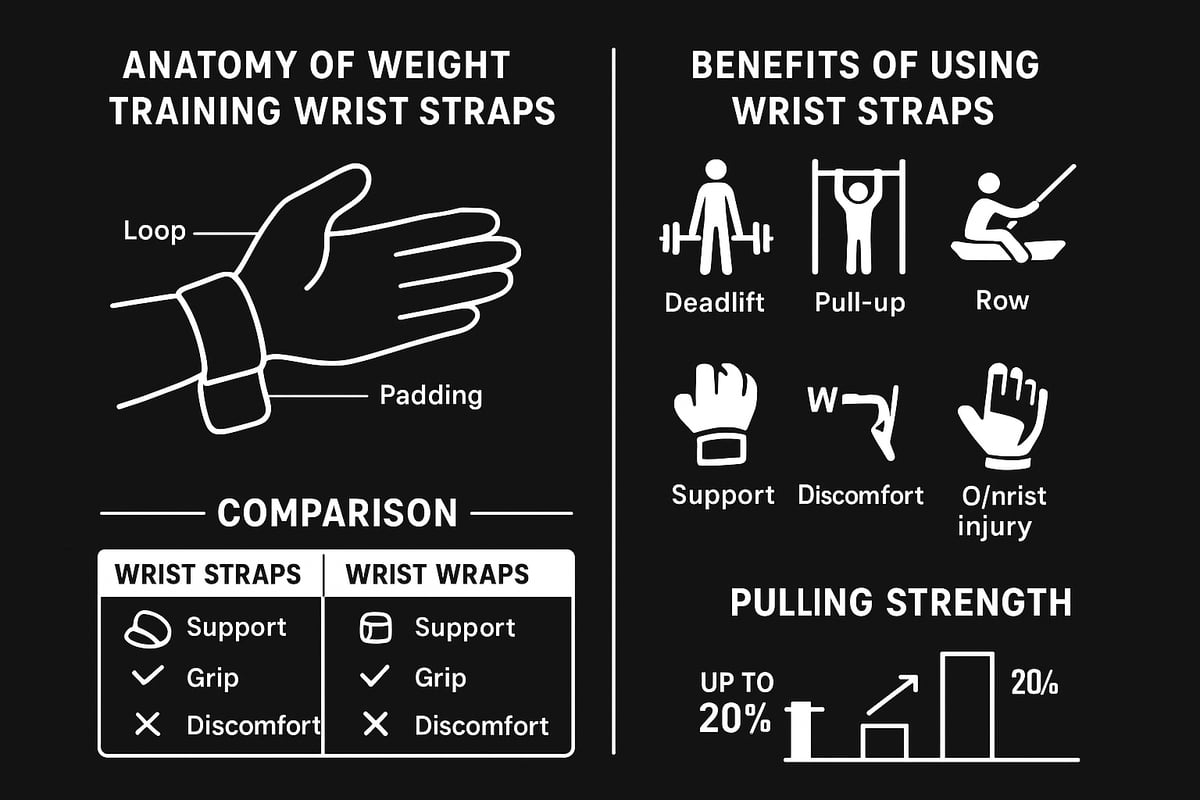
What Are Wrist Straps and Their Purpose?
Weight training wrist straps are supportive accessories that loop around your wrist and wrap onto a barbell, dumbbell, or pull-up bar. Their main function is to reinforce your grip, especially during heavy pulling exercises like deadlifts, rows, and pull-ups. By transferring some of the load from your fingers to your wrists, they help reduce grip fatigue and lower the risk of dropping weights or straining your hands.
It's important to distinguish wrist straps from wrist wraps, which stabilize the wrist joint, and from lifting gloves, which primarily protect the skin. Studies show that proper use of wrist straps can lead to up to a 20% improvement in pulling strength. For anyone aiming to progress in strength training, weight training wrist straps can be an essential tool.
Key Benefits of Using Wrist Straps
Using weight training wrist straps comes with several advantages for lifters at every level. These straps allow you to lift heavier by supporting your grip, which means you can push your muscles further without being limited by hand fatigue. This support translates into a lower risk of dropping weights and related injuries, especially during high-volume back and pulling workouts.
Straps also help you maintain proper form when your grip starts to fail and are particularly helpful for lifters with smaller hands or existing grip limitations. Many powerlifters and bodybuilders rely on straps for their heaviest sets. Users often report fewer forearm strains and better overall performance. For a deeper dive into these benefits, check out this Benefits of good wrist straps article.
Who Should Use Wrist Straps?
Weight training wrist straps are best suited for intermediate to advanced lifters who want to maximize their pulling strength. They're ideal for individuals with grip strength limitations, those recovering from hand injuries, or athletes focused on muscle growth and strength rather than pure grip development.
Beginners are usually encouraged to build foundational grip strength before introducing straps. Trainers recommend incorporating straps when grip fatigue limits your progress rather than as a crutch from day one. For example, athletes prepping for competitions often use straps strategically, while general fitness users may benefit from occasional use.
Common Misconceptions and Risks
One common myth is that weight training wrist straps will always weaken your grip over time. In reality, over-reliance on straps can slow grip development, but balanced use combined with grip training keeps your hands strong. Straps are not a substitute for good lifting technique or proper mobility work.
Incorrect use can lead to wrist strain or discomfort, so it's important to learn the right way to wear and wrap them. Trainers suggest using straps for top sets and heavy pulls while still training grip strength separately. With a smart approach, you can enjoy the benefits of straps and avoid common pitfalls.
Types of Weight Training Wrist Straps in 2026
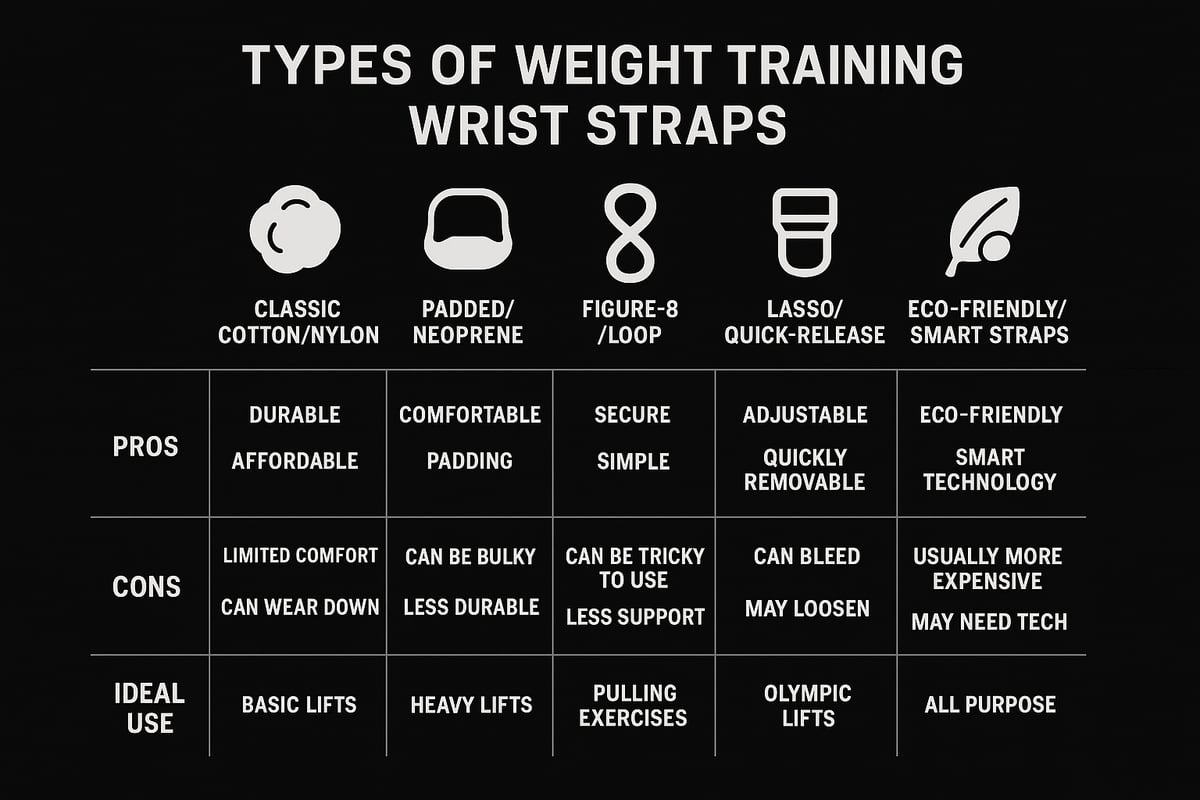
Choosing the right weight training wrist straps can elevate your lifting experience, but the variety in 2026 can be overwhelming. Each type offers unique benefits for different training goals and personal needs. Let’s break down the most popular options, highlight their strengths, and help you find the perfect match for your workouts. For a visual guide to the main types available, check out this Guide to lifting straps types.
Classic Cotton and Nylon Straps
Classic cotton and nylon weight training wrist straps remain the go-to choice for many lifters in 2026. These straps are valued for their simplicity, affordability, and ease of use.
They are durable enough for most gym routines, though heavy use can cause faster wear compared to advanced materials. Most users appreciate their straightforward design and quick setup.
Commonly used by general gym-goers and moderate lifters, these straps are often the entry point into the world of weight training wrist straps. While they may lack extra padding, their lightweight feel makes them versatile for a range of lifts.
Padded and Neoprene-Enhanced Straps
Padded and neoprene-enhanced weight training wrist straps are all about comfort and protection. The addition of soft lining or cushioning helps prevent chafing and reduces pressure on the wrist during demanding sessions.
These straps are ideal for lifters with sensitive wrists, those tackling high-rep sets, or anyone prioritizing joint health. Neoprene also absorbs some sweat, keeping your grip secure.
In 2026, ergonomic upgrades and user-friendly designs are trending, making padded options even more popular among those who want both performance and comfort in their weight training wrist straps.
Figure-8 and Loop Straps
Figure-8 and loop weight training wrist straps are designed for maximum security during heavy lifts. Their unique shape locks your wrist to the bar, providing unmatched stability for movements like deadlifts and strongman pulls.
Powerlifters and advanced athletes favor these straps for their quick setup and superior load distribution. However, some find them less versatile for exercises that require easy strap release.
In 2026, the adoption of figure-8 weight training wrist straps is on the rise among serious lifters who want to push their limits without worrying about grip failure.
Lasso and Quick-Release Straps
Lasso and quick-release weight training wrist straps appeal to those who need adjustability and speed. The lasso style allows you to tighten or loosen the strap for a custom fit, while quick-release mechanisms add a layer of safety, especially in fast-paced or circuit workouts.
These straps excel in CrossFit and functional fitness environments, where switching between movements is common. However, if not secured properly, they may slip.
Innovations in buckle and fastener technology are making lasso weight training wrist straps more reliable and user-friendly in 2026.
Eco-Friendly and Smart Straps
Eco-friendly and smart weight training wrist straps represent the latest wave of innovation. Brands are turning to sustainable materials like bamboo or recycled polyester, appealing to the growing community of eco-conscious lifters.
Smart straps, featuring integrated sensors, offer grip tracking and performance analytics right from your wrist. While some see these as cutting-edge, others view them as optional extras.
With the fitness gear market embracing green and tech-forward solutions, eco-friendly and smart weight training wrist straps are quickly gaining traction among forward-thinking athletes.
How to Use Wrist Straps Correctly: Step-by-Step Guide
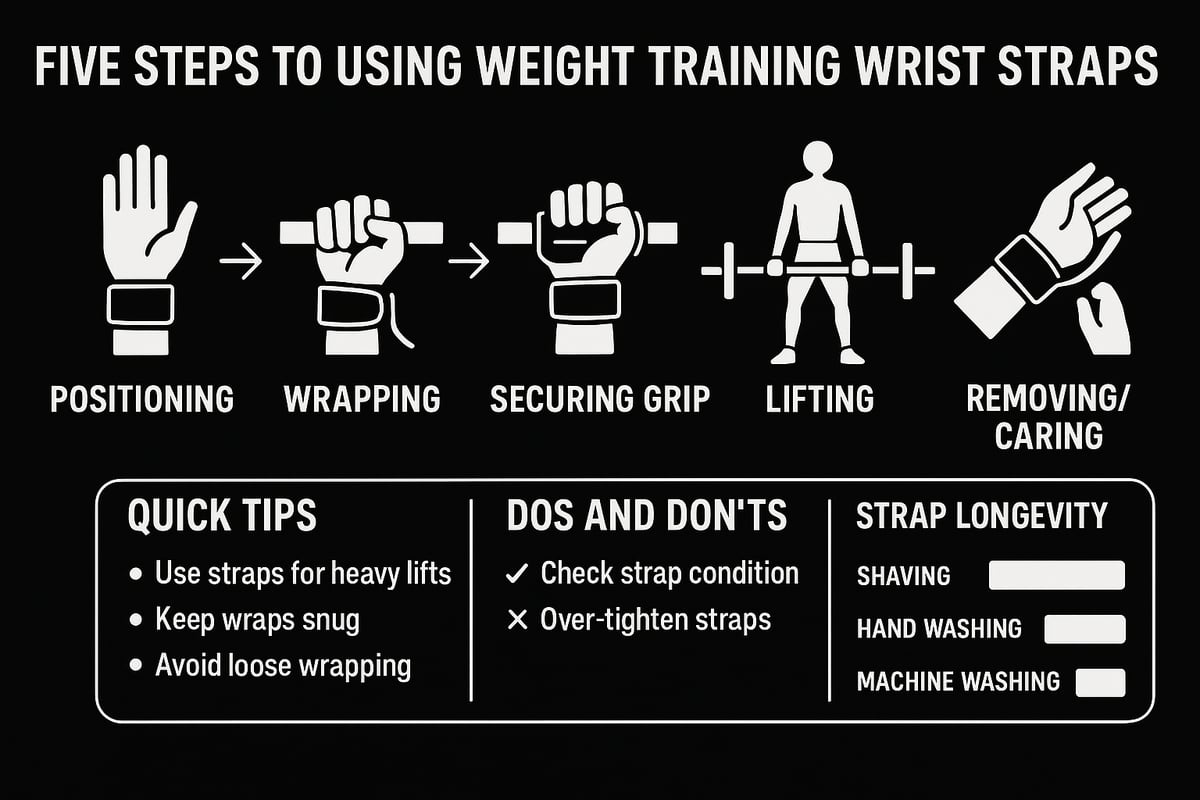
Mastering weight training wrist straps can elevate your lifting performance and keep your workouts safe. Follow this step-by-step guide to ensure you use them effectively, avoid common mistakes, and get the most out of every session.
Step 1: Positioning the Strap
Start by laying your weight training wrist straps flat with any logo or branding facing up. Slip your hand through the loop, then gently pull until the strap sits snugly above your wrist joint. This placement gives optimal support without restricting movement.
Make sure the strap is not twisted and that it lays flat against your skin. Common mistakes include placing the strap too high on the forearm or leaving it too loose, which can reduce support and comfort. Proper positioning sets the foundation for a secure grip and helps prevent wrist irritation.
Step 2: Wrapping Around the Bar
Once your weight training wrist straps are positioned, take the free end and thread it under and around the barbell or dumbbell. Wrap the strap tightly around the bar, ensuring each layer is flat and even. This step locks your grip in place and keeps the strap from slipping.
For bars with different diameters, adjust the number of wraps for best contact. A secure wrap is crucial for heavy lifts like deadlifts or rows. If you want more insights on wrap techniques and choosing the right straps, check out these Deadlift straps buying tips.
Step 3: Securing Your Grip
After wrapping, twist the end of the weight training wrist straps until they feel tight. Place your hand over the strap and grip the bar firmly. Double-check that both hands have even tension. If needed, make micro-adjustments for comfort and alignment.
Remember, straps should feel snug but not so tight that they cut off circulation. It is wise to practice this step with lighter weights until you are confident in your setup. Over-tightening can cause numbness or discomfort, so always prioritize wrist health.
Step 4: Lifting with Straps
With your weight training wrist straps in place, focus on maintaining proper lifting form. Engage your core, keep your wrists aligned, and pull using the target muscles, not just your grip. Straps allow you to concentrate on technique, especially during heavy sets.
During exercises like rows or deadlifts, the straps help keep your form intact even as grip fatigue sets in. However, avoid using straps for every set, as this can hinder natural grip development. Rotate their use for your heaviest sets or when grip is the limiting factor.
Step 5: Removing and Caring for Straps
After each set, loosen the weight training wrist straps and slide them off your wrists. Lay them flat for storage to prevent creasing and damage. Inspect your straps regularly for signs of wear, such as fraying or loss of elasticity.
To clean, hand wash your straps in mild soap and let them air dry. This helps prevent odor and extends their lifespan. Replace your straps as soon as you notice significant damage or reduced support, ensuring your safety and performance remain top-notch.
What to Look for When Buying Wrist Straps in 2026
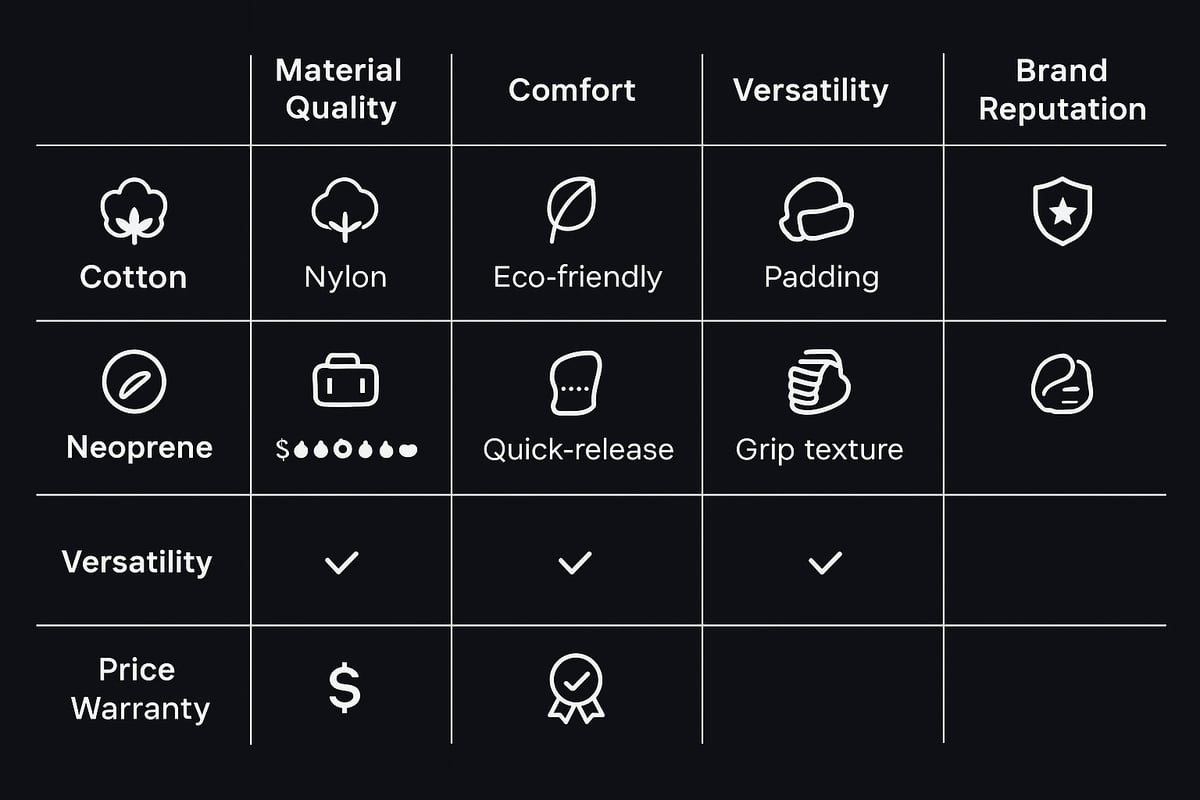
Choosing the right weight training wrist straps is essential for maximizing your lifts and protecting your wrists. With so many new options in 2026, knowing what to prioritize can help you make a smart investment for your training needs.
Material Quality and Durability
When evaluating weight training wrist straps, material is a top concern. Cotton, nylon, neoprene, and eco-friendly textiles like recycled polyester or bamboo all offer unique benefits. Cotton straps are breathable and affordable, but tend to wear faster. Nylon brings durability and resistance to abrasion, making it ideal for heavy-duty training. Neoprene is valued for its comfort and sweat resistance, while eco-friendly options appeal to those seeking sustainable gear.
| Material | Comfort | Durability | Eco-Friendly |
|---|---|---|---|
| Cotton | High | Medium | Medium |
| Nylon | Medium | High | Low |
| Neoprene | High | High | Medium |
| Recycled/Bio | Medium | Medium | High |
On average, nylon and neoprene straps last the longest, especially when exposed to sweat and heavy use. User reviews and lab tests in 2026 consistently favor these materials for frequent lifters. Always inspect for reinforced stitching and quality hardware before buying.
Design Features and Comfort
Design plays a major role in how weight training wrist straps feel during intense sessions. Look for features like padded linings, ergonomic curves, and adjustable lengths. Wider straps distribute pressure better during heavy lifts, while narrow designs are more versatile for various exercises.
- Padding reduces chafing and wrist pressure
- Adjustable loops offer a custom fit
- Ergonomic shapes protect sensitive wrists
User preferences often come down to comfort versus performance. Some lifters prefer extra padding for long workouts, while others opt for slim straps for quick transitions. Trying different styles can help you find the perfect balance for your training style.
Grip Security and Versatility
Grip security is crucial for effective weight training wrist straps. Textured or rubberized surfaces increase friction, helping you maintain a strong hold, especially on slick bars. Quick-release closures are popular for circuit training, while traditional loops provide classic reliability.
For specialized lifts like deadlifts, figure-8 straps offer unmatched load distribution. Lasso designs are favored for pull-ups and machines due to their adjustability. According to research on the ergogenic effects of lifting straps on deadlift performance, using the right straps can enhance grip security and movement efficiency during heavy pulls. Match your strap type to your primary lifts for optimal results.
Price, Warranty, and Brand Reputation
Weight training wrist straps come in a wide price range, from budget-friendly basics to premium, feature-rich models. Entry-level straps are often under $20, while top brands may charge $40 or more for advanced designs. Always consider the warranty, as reputable brands typically offer at least a one-year guarantee on manufacturing defects.
- Price tiers: entry, mid-range, premium
- Warranties: 30-day to lifetime coverage
- Trusted brands: look for high ratings and low return rates
Consumer satisfaction studies in 2026 highlight the importance of solid customer support and return policies. Investing in a well-reviewed brand ensures you get both performance and peace of mind.
Innovations and Trends in Wrist Straps for 2026
The world of weight training wrist straps is rapidly evolving in 2026, with lifters demanding more from their gear than ever before. Whether you are chasing eco-friendly options, smarter tech, or simply a better fit, today's wrist straps are packed with innovation. Let us explore the trends shaping your lifting experience this year.
Sustainable and Eco-Friendly Materials
Sustainability is taking center stage in the design of weight training wrist straps. Lifters are now looking for products made from recycled polyester, bamboo fibers, and biodegradable components. These materials offer durability while reducing environmental impact.
Brands are responding to demand by launching eco-conscious lines. For instance, bamboo-based straps provide natural antimicrobial properties and comfort. Recycled polyester options help divert plastic waste from landfills. According to recent market data, eco-friendly fitness gear sales have climbed by over 30% in the past two years.
Consumers are also willing to pay a premium for sustainability, making these straps a top choice for environmentally aware athletes. The shift to green materials shows that weight training wrist straps are not just about function, but also about responsibility.
Smart Technology Integration
2026 marks the rise of smart weight training wrist straps. These innovative straps feature built-in sensors that track grip strength, usage frequency, and even bar path analytics. With Bluetooth connectivity, users can sync data to mobile apps for real-time feedback and progress tracking.
Some smart wrist straps provide alerts if your grip weakens mid-set or if your lifting technique falters. This insight helps improve performance and can prevent injuries. However, battery life and accuracy are still being refined.
A recent study on the impact of wrist straps on deadlift performance has highlighted how integrating technology can provide valuable data for both recreational and competitive lifters. As adoption grows, expect more lifters to use smart weight training wrist straps to gain an edge in their training.
Ergonomic and Customizable Designs
Comfort and personalization are top priorities for lifters choosing weight training wrist straps in 2026. Brands now offer modular padding, adjustable lengths, and ergonomic shapes to fit different wrist sizes and preferences.
Custom-fit wrist straps minimize pressure points and reduce the risk of chafing during high-volume training. Some models even allow users to select colorways or add initials for a personal touch.
This focus on design is not just about aesthetics. Ergonomic enhancements help distribute load evenly, supporting better form and reducing fatigue. Many athletes report that improved comfort leads to longer and more productive training sessions with their weight training wrist straps.
Market Shifts and Consumer Preferences
The market for weight training wrist straps is seeing exciting shifts. Boutique brands and limited edition releases are gaining popularity, often fueled by collaborations with top athletes and influencers. These partnerships bring unique designs and exclusive features to the market.
Online sales of wrist straps have surged, with consumers valuing transparency, customer reviews, and fast shipping. Loyalty to trusted brands is stronger than ever, especially when manufacturers offer warranties and responsive support.
In 2026, lifters are not just buying gear, they are expressing their identity and values through their choice of weight training wrist straps. Function, style, and sustainability all play a role in shaping buying decisions.
Frequently Asked Questions About Wrist Straps
Are Wrist Straps Allowed in Competitions?
Competition rules for weight training wrist straps vary by sport and federation. In powerlifting, some federations permit wrist straps for deadlifts, while Olympic weightlifting typically bans them in official events. Strongman competitions frequently allow straps, especially for maximal lifts. CrossFit events often restrict or specify when straps can be used, so always check event-specific guidelines before training or competing.
Here’s a quick comparison:
| Sport/Federation | Straps Allowed? |
|---|---|
| Powerlifting (some) | ✔️ (deadlifts only) |
| Olympic Weightlifting | ❌ |
| Strongman | ✔️ |
| CrossFit | ❌ / Sometimes |
Most athletes use weight training wrist straps in training for grip-intensive lifts, but fewer can use them in actual competition. Always confirm with your federation’s rulebook to avoid surprises.
Do Wrist Straps Weaken Grip Strength Over Time?
A common myth is that weight training wrist straps always weaken grip strength. In reality, grip can be maintained or even improved if straps are used thoughtfully. Over-reliance is the issue, not the tool itself. The key is to balance strap use with dedicated grip work like farmer’s walks or static holds.
Recent research, such as the Effect of Wrist Wraps on Handgrip Strength in CrossFit Athletes, shows that proper training programming can prevent grip loss when straps are used strategically. Trainers recommend using straps only for your heaviest sets or when grip is the limiting factor. This approach lets you push your pulling strength while still developing grip endurance.
Can Beginners Use Wrist Straps?
Beginners may be tempted to use weight training wrist straps right away, but most trainers advise focusing on building raw grip and learning proper form first. Straps can mask weak technique or underlying mobility issues if introduced too soon. However, they can be helpful for beginners recovering from hand injuries or those struggling with grip during high-rep sets.
The best practice is to master the basics, then introduce straps when grip becomes a limiting factor for progress. Rehabilitation scenarios are an exception, where straps may aid safe return to training. Injury rates among beginners do not decrease simply by using straps—form and gradual progression matter most for safety.
How Do I Clean and Maintain My Wrist Straps?
Keeping your weight training wrist straps clean extends their lifespan and performance. Start by hand washing them in mild detergent, then air dry completely to prevent odors or mold. Inspect straps regularly for fraying or loss of elasticity, and replace them if you spot significant wear.
For best results:
- Wash straps every few weeks or after heavy, sweaty sessions
- Store flat to avoid warping
- Rotate between two pairs for longevity
For more answers on caring for training gear, visit these frequently asked fitness gear questions. Proper maintenance not only preserves your straps but also ensures safety during heavy lifts.
Now that you know what to look for in wrist straps and how to use them for safer, stronger lifts, it’s time to put your knowledge to work. Investing in high quality gear means you’re not just protecting your wrists—you’re setting yourself up for real progress in the gym. If you’re ready to take the next step and want lifting accessories that don’t just look good but truly last, we’ve got you covered. Explore our collection and level up your lifts with gear designed for the everyday gymgoer who’s serious about results.
