 30-Day Money Back Guarantee

When serious lifters talk about premium powerlifting equipment, the lever belt SBD consistently tops the conversation. This isn't just hype - it's recognition of engineering excellence that's transformed how athletes approach heavy compound movements. Whether you're grinding through max effort squats or pulling heavy deadlifts, understanding what makes this belt exceptional can significantly impact your training performance and safety.
Understanding the Lever Belt SBD Construction
The lever belt SBD represents the pinnacle of powerlifting belt design, manufactured with precision that reflects decades of athlete feedback and biomechanical research. SBD (Strength By Design) uses premium materials that distinguish their belts from budget alternatives flooding the market.
Premium Leather and Manufacturing Standards
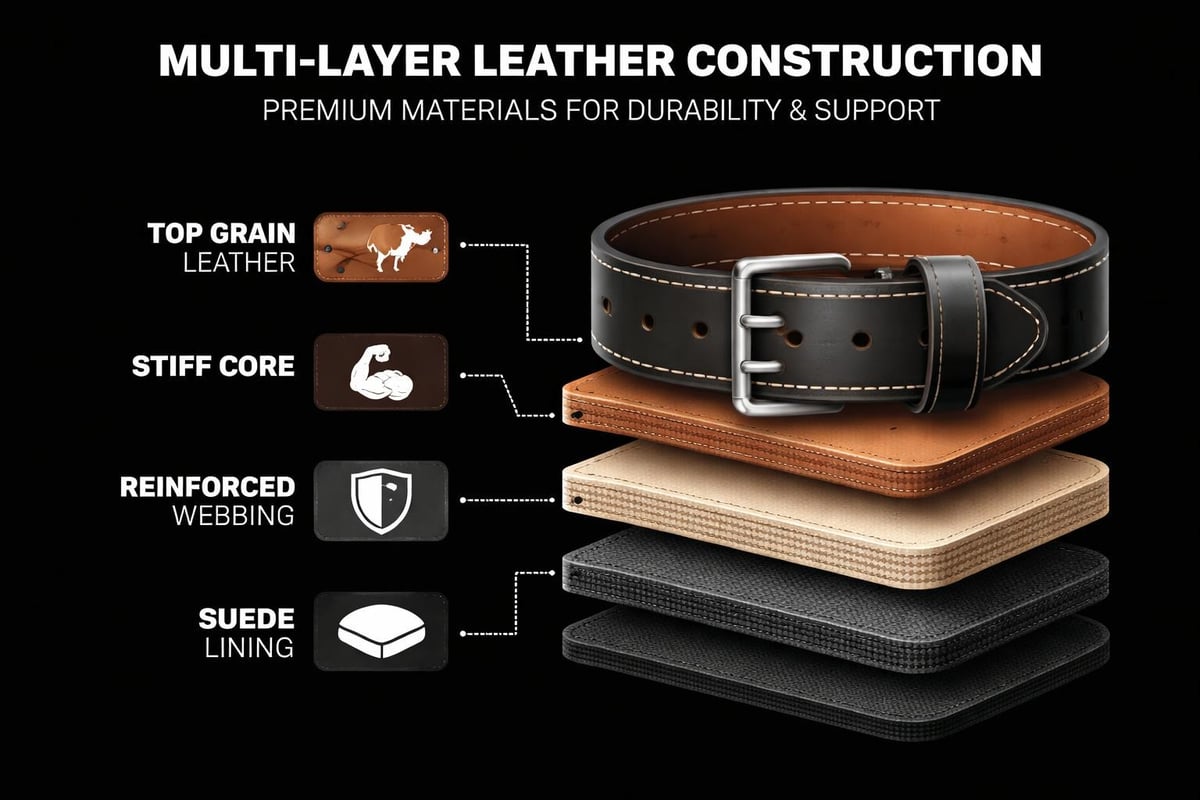
These belts feature high-grade leather construction that maintains structural integrity under extreme loading conditions. The manufacturing process involves:
- Multi-layer leather lamination for consistent thickness
- Precision stitching that prevents separation during max lifts
- Heat-treated buckle mechanisms built to withstand years of use
- Quality control testing on every single belt produced
The 13mm SBD lever belt exemplifies this construction philosophy, offering maximum rigidity for competitive powerlifters who need uncompromising support.
| Thickness | Best For | Stiffness Level | Break-In Period |
|---|---|---|---|
| 10mm | General training, Olympic lifts | Moderate | 2-4 weeks |
| 13mm | Powerlifting, max effort work | Maximum | 4-8 weeks |
Choosing Between 10mm and 13mm Options
Selecting the right thickness for your lever belt SBD purchase requires understanding your training goals and experience level. This decision impacts everything from comfort during long sessions to support during competition lifts.
The 10mm Advantage
The 10mm lever belt option provides substantial support while offering greater flexibility for dynamic movements. Many lifters find this thickness ideal for:
- CrossFit and functional fitness where varied movement patterns demand mobility
- Olympic weightlifting requiring deeper squat positions and overhead work
- General strength training balancing support with all-day wearability
- Beginning powerlifters transitioning from no belt to supported lifting
Breaking in a 10mm belt typically takes 2-4 weeks of regular training. The leather softens gradually while maintaining its supportive properties. Athletes appreciate how this thickness conforms to their torso shape without the extended break-in period thicker options require.
When 13mm Makes Sense
Competitive powerlifters and advanced strength athletes often gravitate toward 13mm construction for maximum intra-abdominal pressure. This thickness excels in:
- Competition squat attempts where every pound of support matters
- Heavy deadlift training requiring rigid back stabilization
- Advanced lifters who've mastered bracing techniques
- Heavier body weights where proportional support becomes crucial
The trade-off involves a longer break-in period and reduced flexibility. Some lifters maintain both thicknesses, using 10mm for volume work and 13mm for peak intensity sessions.
Lever Mechanism Benefits Over Prong Belts
The defining feature of any lever belt SBD is its quick-adjustment mechanism, which fundamentally changes how athletes approach their training sessions. This isn't just convenience - it's performance optimization.
Speed and Consistency
Lever belts eliminate the fumbling that plagues prong-style fastening. Between heavy sets, when you're managing fatigue and maintaining focus, the lever mechanism delivers:
- Single-motion release and fastening
- Identical tightness every single rep
- No missed holes or uneven pressure
- Faster transitions between exercises
This consistency matters more than most lifters realize. Small variations in belt tightness alter bracing mechanics and force distribution across your core. The lever belt SBD ensures you're getting the same support on your twentieth set as your first.
Adjustability for Training Variations
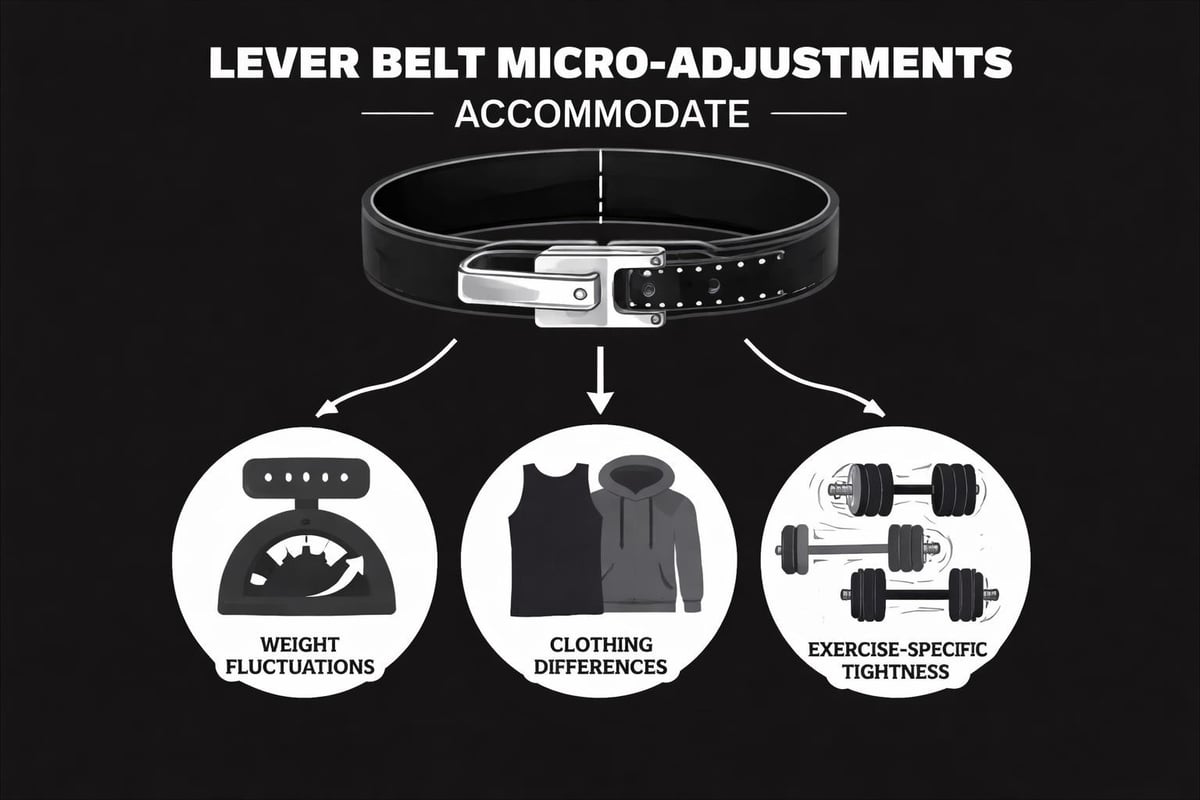
Modern lever mechanisms include micro-adjustment capabilities through the buckle mounting system. By repositioning the lever attachment, you can accommodate:
- Morning versus evening training (natural waist circumference changes)
- Different phases of preparation (cutting versus bulking cycles)
- Various exercise types (tighter for squats, slightly looser for deadlifts)
- Clothing variations (T-shirt training versus layered winter gear)
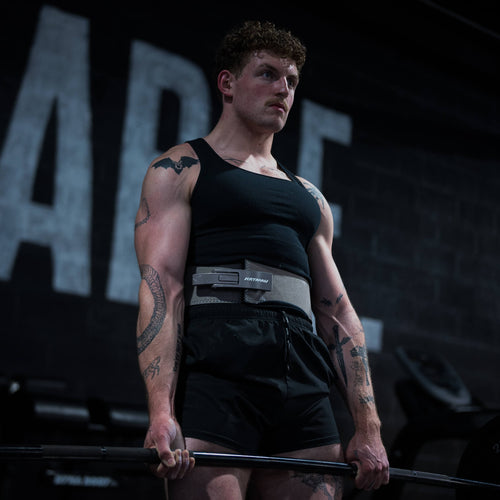
The 10mm Forge Grey edition showcases how aesthetic design meets functional engineering, proving performance equipment doesn't sacrifice style.
Proper Sizing and Fit Guidelines
Getting the right size in your lever belt SBD determines whether you maximize its performance benefits or struggle with an expensive piece of equipment that doesn't work properly. Sizing mistakes rank among the most common regrets in powerlifting equipment purchases.
Measurement Protocol
Measure your waist at the point where you'll wear the belt - typically at or just above your belly button. Use a flexible measuring tape and:
- Take measurements after exhaling completely
- Pull the tape snug but not compressed against your skin
- Measure first thing in the morning for most accurate baseline
- Account for typical training attire thickness
| Waist Measurement | Recommended Size | Adjustment Range |
|---|---|---|
| 26-30 inches | Small | 2-3 inches |
| 30-34 inches | Medium | 2-3 inches |
| 34-38 inches | Large | 2-3 inches |
| 38-42 inches | X-Large | 2-3 inches |
Common Sizing Mistakes
Many lifters order too small, thinking a tighter belt provides better support. This creates several problems:
- Inability to achieve proper tightness without cutting off circulation
- Limited adjustment range as your body composition changes
- Premature leather fatigue from constant maximum tension
- Discomfort that discourages consistent belt usage
Conversely, ordering too large leaves inadequate leather overlap, reducing structural integrity when the lever engages. The sweet spot allows 2-3 inches of size adjustment in either direction from your measured baseline.
Breaking In Your Lever Belt SBD
New lever belts arrive stiff - this is intentional, not a defect. The break-in process transforms rigid leather into a custom-molded support system that conforms to your specific torso shape while maintaining its structural properties.
Accelerated Break-In Methods
Rather than waiting months for natural softening, implement these proven techniques:
Week 1-2: Passive Conditioning
- Wear the belt around the house during daily activities
- Roll it width-wise repeatedly to work the leather
- Apply leather conditioner sparingly to accelerate softening
- Avoid water or excessive conditioning that weakens fibers
Week 3-4: Training Integration
- Use it for warm-up sets before switching to your old belt
- Gradually increase the working weight performed with the new belt
- Focus on proper bracing technique with lighter loads
- Accept some initial discomfort as normal adaptation
Week 5+: Full Implementation
- Transition all heavy sets to the new belt
- Monitor for any pressure points requiring position adjustment
- Continue light conditioning between sessions
- Expect optimal performance after 20-30 heavy training sessions
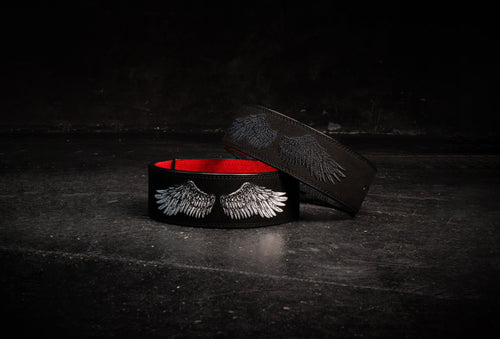
The limited edition Resolve range features the same break-in requirements despite its unique aesthetic, proving that design variations don't compromise the fundamental construction quality.
Performance Impact on the Big Three Lifts
The lever belt SBD influences squat, bench press, and deadlift performance through distinct biomechanical pathways. Understanding these differences helps you optimize belt usage for each movement pattern.
Squat Mechanics and Support
During heavy squats, the belt creates a rigid cylinder around your midsection that you brace against with your abdominal muscles. This achieves:
- Increased intra-abdominal pressure supporting the spine
- Enhanced proprioceptive feedback for depth judgment
- Reduced compressive forces on vertebral discs
- Greater force transfer from legs through torso to the bar
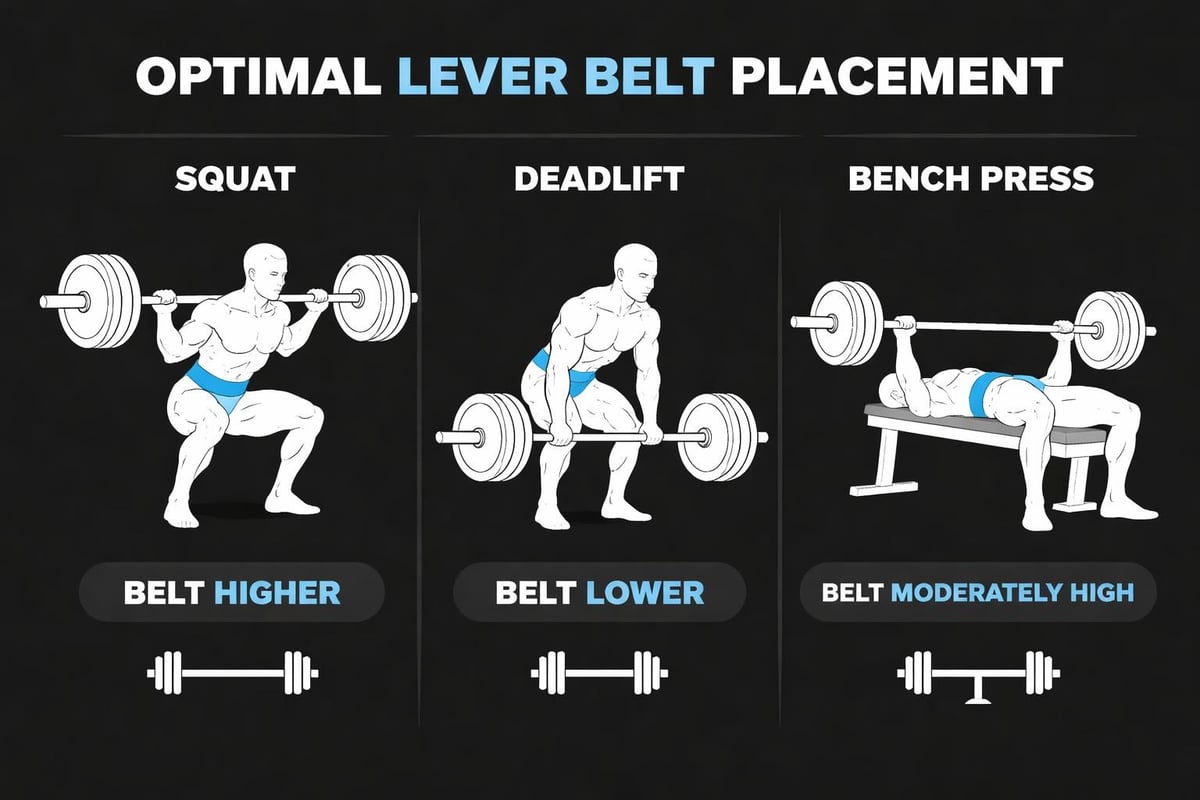
Position the belt slightly higher for squats (at or above the navel) to maximize contact area with your obliques and rectus abdominis. The lever mechanism makes repositioning between exercises practically effortless.
Deadlift Considerations
Deadlifts require different positioning strategy since the belt can interfere with your starting position if placed too high. Many lifters prefer:
- Lower placement (top of hips) allowing deeper hip hinge
- Slightly looser tension compared to squat tightness
- Conventional deadlifters often use tighter settings than sumo pullers
- Deficit variations may require removal for full range of motion
Some advanced lifters maintain separate hole settings on their lever belt SBD for different exercises, though this requires additional tools for adjustment.
Bench Press Applications
While less common, equipped powerlifters and those pushing massive weights sometimes employ belts during bench pressing. The belt provides:
- Core stability during leg drive execution
- Reduced lumbar hyperextension in extreme arch positions
- Psychological comfort for lifters accustomed to belted training
- Consistency in competition where all lifts may be belted
Raw lifters typically skip belts for bench press, finding them restrictive without proportional performance benefits.
Maintenance and Longevity Strategies
Premium lifting equipment like the lever belt SBD represents a significant investment that should last years when properly maintained. Neglect accelerates deterioration while basic care preserves performance indefinitely.
Regular Cleaning Protocol
Sweat, chalk, and gym grime accumulate quickly on leather surfaces. Establish this monthly routine:
- Wipe down with slightly damp cloth after heavy training sessions
- Apply leather cleaner monthly to remove embedded chalk and salt
- Condition the leather quarterly with premium leather treatment
- Inspect stitching for any separation requiring professional repair
Never machine wash or soak your belt. Excessive moisture weakens leather fibers and can rust the lever mechanism, compromising both aesthetics and function.
Storage Best Practices
How you store your belt between training sessions affects its shape retention and leather condition:
| Storage Method | Impact | Recommendation |
|---|---|---|
| Tightly rolled | Maintains curve, saves space | Good for transport |
| Hung flat | Prevents creasing | Best long-term storage |
| Stuffed in bag | Develops permanent folds | Avoid this approach |
| Climate controlled | Prevents leather drying | Ideal conditions |
Avoid extreme temperatures that dry out leather or make it brittle. A closet shelf at room temperature works perfectly for most lifters.
Lever Mechanism Care
The lever assembly requires minimal maintenance but benefits from:
- Monthly inspection for loose screws or worn components
- Occasional lubrication with light machine oil on pivot points
- Screw tightening if you notice any lateral movement
- Professional service if the lever fails to hold securely
The robust construction of authentic SBD hardware rarely requires intervention, but preventive attention prevents catastrophic failure during max attempts.
Competition Regulations and Approved Equipment
For competitive powerlifters, understanding federation equipment rules prevents disqualification due to gear violations. The lever belt SBD maintains approval across major organizations, but specific details matter.
IPF and Affiliate Federation Standards
The International Powerlifting Federation maintains the strictest equipment standards globally. Approved belts must meet:
- Maximum width of 10cm (approximately 4 inches)
- Maximum thickness of 13mm
- Single-prong or lever closure systems
- No additional padding beyond the leather construction
- Approved manufacturer listing (SBD holds current approval)
The 13mm version specifically designed for competition meets these specifications while offering the performance competitive lifters demand.
USAPL and Other Federations
USA Powerlifting follows IPF equipment standards, making any IPF-approved lever belt SBD legal for competition. Other organizations like:
- USPA (more lenient equipment rules)
- APF (allows various belt styles)
- RPS (minimal equipment restrictions)
These federations generally accept any well-constructed lever belt, though verifying current rules before competition prevents unwelcome surprises.
Testing and Approval Process
SBD submits their equipment for federation testing, where officials verify:
- Dimensional compliance with published standards
- Construction methods meeting safety requirements
- Material composition excluding banned substances
- Functional testing under load conditions
This approval process explains why premium lever belts command higher prices - they're engineered to specific tolerances that budget manufacturers don't achieve.
Alternative Brands and Value Comparison
While this article focuses on the lever belt SBD, understanding the competitive landscape helps lifters make informed purchasing decisions. Several factors beyond brand recognition influence value assessment.
Price-to-Performance Analysis
SBD lever belts typically retail between $250-350 depending on thickness and edition. This premium pricing reflects:
- Guaranteed federation approval for competitive use
- Multi-year warranty covering manufacturing defects
- Proven durability across thousands of heavy training sessions
- Resale value retention for lifters upgrading or changing sizes
Budget alternatives at $80-150 may seem attractive initially, but frequently require replacement within 12-18 months. The cost-per-year calculation often favors premium options.
Feature Set Comparisons
| Feature | SBD Lever Belt | Mid-Tier Options | Budget Belts |
|---|---|---|---|
| Lever precision | Excellent | Good | Variable |
| Leather quality | Premium | Standard | Economy |
| Break-in period | 4-8 weeks | 2-4 weeks | 1-2 weeks |
| Competition legal | Yes (IPF) | Sometimes | Rarely |
| Warranty coverage | Extensive | Limited | Minimal |
The faster break-in on cheaper belts often indicates lower-density leather that won't maintain rigidity long-term. What feels comfortable initially may lack support when you need it most.
When Alternatives Make Sense
Not every lifter requires IPF-approved equipment. Recreational athletes who prioritize affordability might consider alternatives if:
- Competition participation isn't planned
- Training intensity stays moderate
- Budget constraints limit premium purchases
- Size uncertainty suggests starting with cheaper options
However, serious lifters typically view the lever belt SBD as a multi-year investment that pays dividends through enhanced performance and confidence under maximum loads.
Training Programming with Belted Versus Beltless Work
Optimal strength development requires strategic integration of belted and beltless training rather than exclusive reliance on either approach. Your lever belt SBD should support your program, not define it.
Volume Distribution Strategies
Most evidence-based programs incorporate both training modes:
Beltless Training (40-60% of working sets)
- Warm-up sets building to working weight
- Accessory movements targeting core development
- Higher-rep ranges (8-12+ repetitions)
- Technique refinement with submaximal loads
Belted Training (40-60% of working sets)
- Top sets at 85%+ of one-rep maximum
- Competition-specific preparation blocks
- Lower-rep ranges (1-5 repetitions)
- Overload training beyond typical capacity
This balanced approach develops raw core strength while maximizing supported performance when it matters most.
Progression Models
As you advance, belt dependency shouldn't increase proportionally. Consider these progression frameworks:
- Beginner Phase (0-12 months): Minimal belt use, focusing on movement quality
- Intermediate Phase (1-3 years): Strategic belt implementation on heavy sets
- Advanced Phase (3+ years): Sophisticated programming balancing both modalities
- Competition Phase (8-12 weeks): Increased belted work mimicking meet conditions
Many lifters find their beltless squat and deadlift continues improving even while belted maxes increase faster, indicating proper program design.
Adaptation Considerations
Your body adapts specifically to training stimuli. Excessive belt reliance can:
- Reduce natural bracing capability over time
- Create psychological dependence affecting confidence
- Mask underlying core weaknesses that limit long-term progress
- Decrease proprioception in unsupported positions
Conversely, never using a belt leaves potential performance on the table. The lever belt SBD gives you a tool - intelligent programming determines how you apply it.
Accessory Equipment Integration
While the lever belt SBD handles core stabilization, comprehensive lifting performance requires coordinated equipment selection. Understanding how different gear pieces interact optimizes your complete setup.
Complementary Support Gear
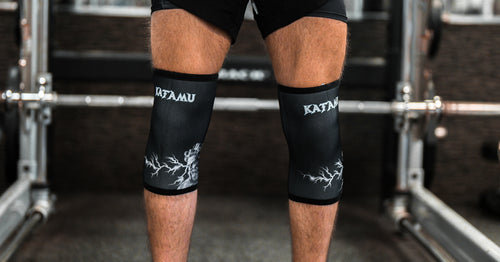
Knee sleeves work synergistically with proper belt usage by:
- Providing joint warmth during extended training sessions
- Adding subtle rebound assistance in the bottom squat position
- Protecting against abrasion from barbell contact
- Signaling CNS preparation for heavy loading
The knee sleeve options at KatamuCo pair naturally with lever belt usage, creating a complete lower-body support system.
Wrist wraps become increasingly important as pressing volumes increase:
- Stabilize the wrist joint during heavy bench press
- Reduce discomfort from front rack positions
- Allow greater loading without joint compromise
- Support overhead pressing variations
Grip Enhancement Tools
Heavy deadlifts eventually exceed natural grip capacity. Rather than limiting back development, integrate:
- Lifting straps for high-volume pulling work
- Chalk for competition attempts and max testing
- Hook grip technique for equipped lifting
- Mixed grip as a last resort before straps
The lifting strap collection enables maximum training effect on back musculature without artificial grip limitations.
Complete Training Setup
| Lift Type | Belt | Sleeves | Wraps | Straps |
|---|---|---|---|---|
| Heavy squat | Required | Yes | No | No |
| Heavy deadlift | Required | Optional | No | Training only |
| Bench press | Optional | No | Yes | No |
| Accessories | Rarely | Sometimes | Sometimes | Often |
This equipment matrix guides intelligent gear selection based on training context rather than arbitrary rules or excessive dependence.
Special Edition and Limited Releases
SBD periodically releases limited edition versions of their lever belt SBD lineup, combining performance engineering with unique aesthetic designs. These releases generate significant interest in the powerlifting community.
Resolve Range Characteristics
The Resolve series represents collaboration between SBD and athletes who've helped shape their product development. These editions feature:
- Distinctive colorways not available in standard production
- Identical construction standards to regular inventory
- Premium pricing reflecting limited availability
- Collectible status among equipment enthusiasts
Performance remains identical to standard versions - you're paying for exclusivity rather than enhanced function.
Aesthetic Considerations
While functionality drives equipment selection for serious athletes, appearance matters in an era of social media documentation and personal brand building. Special editions offer:
- Unique visual identity in commercial gym environments
- Photography-friendly designs for content creation
- Personal expression through equipment choices
- Conversation starters building gym community
The standard black lever belt SBD remains the most versatile choice, matching any training attire and maintaining professional appearance for competition documentation.
Investment Value Analysis
Limited editions occasionally appreciate in secondary markets, but buying lifting equipment as investment vehicles rarely makes financial sense. Purchase special releases because you genuinely prefer the design, not speculative value.
Regular production models offer identical performance at lower cost, making them the rational choice for most lifters. Save the premium for actual training investments like coaching, programming, or additional training time.
Choosing the right lever belt SBD thickness, maintaining it properly, and integrating it intelligently into your training program creates a foundation for years of strength development and competitive success. Whether you're preparing for your first meet or chasing national records, quality equipment removes variables and lets you focus entirely on performance. KatamuCo delivers premium lever belts with exceptional designs that combine competition-grade durability with the aesthetic appeal modern lifters demand, backed by the kind of quality that supports your training journey from beginner gains through advanced competition.
