
 30-Day Money Back Guarantee

A lifting lever represents one of the most fundamental mechanical advantages in both traditional engineering and modern strength training. Whether you're examining industrial lifting hooks or the quick-release mechanism on a premium weightlifting belt, the principle remains constant: leverage multiplies force while minimizing effort. For serious gym enthusiasts in 2026, understanding how a lifting lever functions can transform both your equipment choices and your performance under the bar. This knowledge becomes particularly valuable when selecting gear that needs to perform consistently across thousands of training sessions, especially when you're pushing personal records on compound movements that demand maximum core stability and intra-abdominal pressure.
The Mechanics Behind Every Lifting Lever
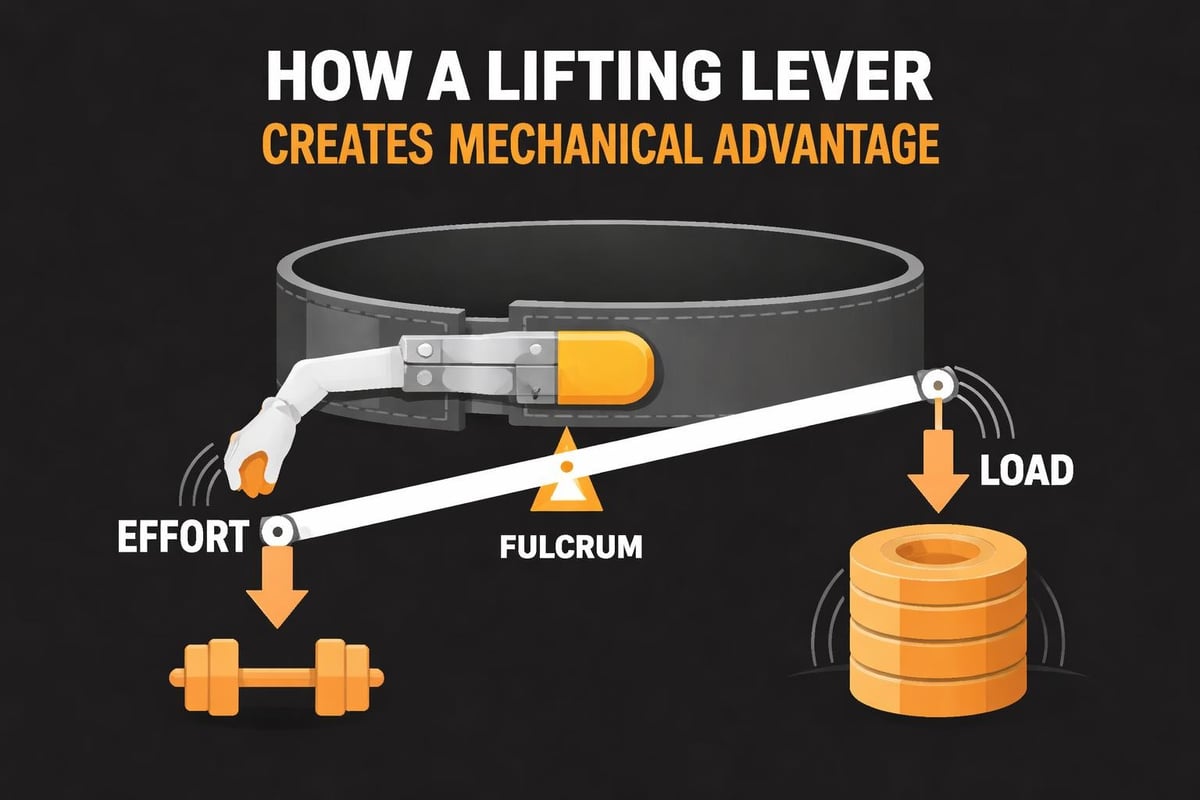
The lifting lever operates on a simple yet powerful principle that dates back to ancient civilizations. When force is applied to one end of a lever arm, it generates amplified force at the opposite end, with the fulcrum serving as the pivot point. This mechanical advantage allows lifters to move heavier loads or, in the case of lifting equipment, create tighter and more secure fastenings with minimal effort.
Understanding moment arm mechanics in weightlifting reveals why lever-based equipment has become the gold standard for serious athletes. The distance from the fulcrum to where force is applied determines the mechanical advantage gained. In practical terms, this means a well-designed lifting lever on your belt can generate significantly more tightening force than traditional prong systems, while requiring less physical effort to secure.
Types of Lever Systems in Strength Training
Three classes of levers exist in biomechanics and equipment design, each offering distinct advantages:
- First-class levers position the fulcrum between the effort and load, like a seesaw
- Second-class levers place the load between the fulcrum and effort, similar to a wheelbarrow
- Third-class levers position the effort between the fulcrum and load, as seen in bicep curls
Most lifting belts utilize a first-class lever system where the quick-release mechanism serves as the fulcrum. This design allows you to achieve maximum tightness around your core with a simple upward motion, then release instantly when your set is complete. The efficiency of this system becomes crucial during intense training sessions where every second of rest matters.
Why Serious Lifters Choose Lever-Based Equipment
The transition from traditional prong belts to lever systems marks a significant evolution in lifting gear technology. Athletes who train consistently five to six days per week need equipment that performs flawlessly without creating unnecessary friction in their routine. A quality lifting lever mechanism eliminates the fumbling associated with threading a prong through holes, especially when your hands are chalked and your focus is on the upcoming heavy set.
Professional powerlifters and competitive athletes have documented time savings of up to 15-20 seconds per belt adjustment when using lever systems. This might seem trivial, but across a training session involving multiple compound movements and working sets, those seconds accumulate into meaningful rest period preservation. Additionally, the consistent tightness achieved with a lifting lever ensures your intra-abdominal pressure remains optimal across all working sets.
| Feature | Lever Belt | Prong Belt | Velcro Belt |
|---|---|---|---|
| Adjustment Speed | 1-2 seconds | 8-12 seconds | 3-5 seconds |
| Consistency | Excellent | Variable | Good |
| Durability | 5+ years | 3-5 years | 1-2 years |
| Initial Cost | Higher | Medium | Lower |
| Long-term Value | Highest | Medium | Lowest |
The Quick-Release Advantage
One of the most appreciated features of a lifting lever system is the instant release capability. After completing a heavy squat or deadlift set, you need to decompress your core immediately. Traditional belt systems require you to unbuckle or pull through multiple prongs while blood is rushing and you're trying to catch your breath. A simple flick of the lever releases all tension instantly, allowing proper breathing and recovery between sets.
This quick-release function also proves invaluable during circuit training or CrossFit-style workouts where you're transitioning between different movement patterns. Athletes training at facilities like DoubleUnders understand that equipment must adapt to high-intensity, varied training demands. The ability to secure and release your belt in under two seconds maintains workout flow without compromising core support during loaded movements.
Material Quality and Lever Longevity
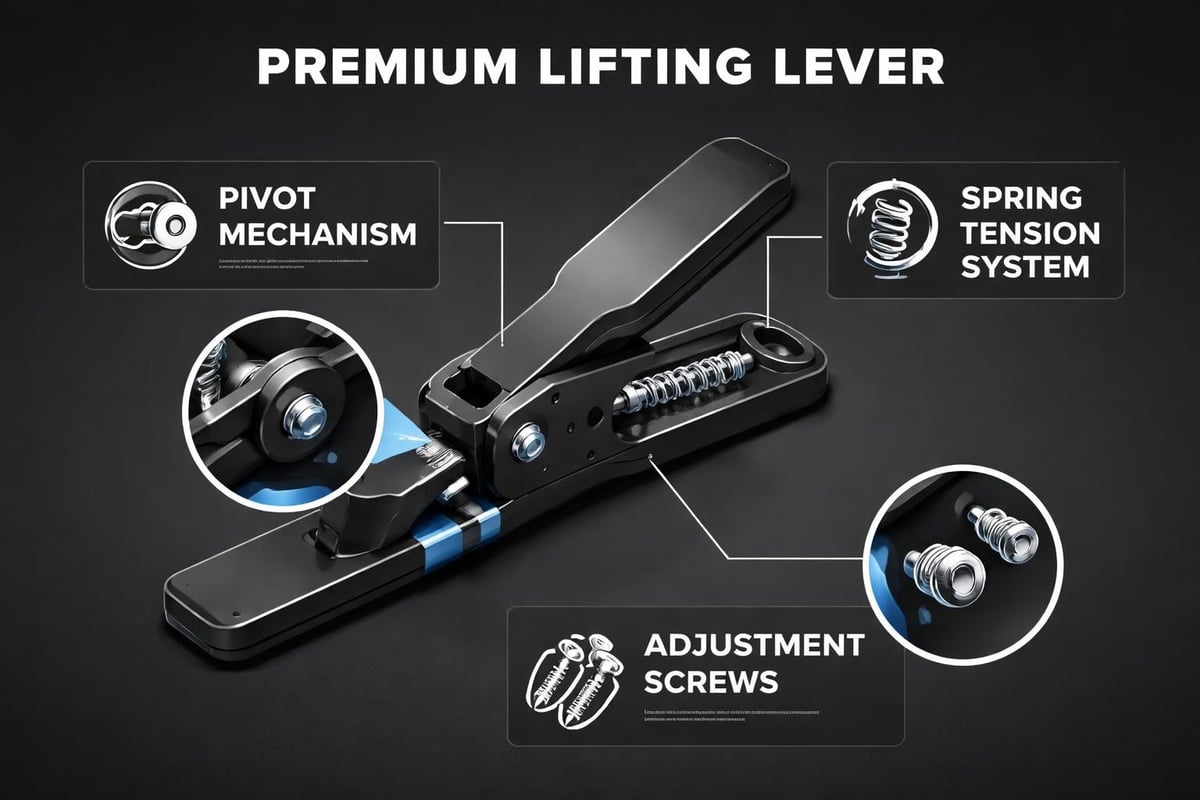
Not all lifting lever mechanisms are created equal, and the materials used determine whether your belt lasts two years or ten. Premium manufacturers use hardened steel or aircraft-grade aluminum for lever components, ensuring the mechanism withstands thousands of cycles without degradation. The pivot points receive particular attention, as wear in these areas leads to loosening and eventual failure.
Construction Standards That Matter
When evaluating a lifting lever belt, examine these critical construction elements:
- Lever plate thickness should be at minimum 3mm for steel, 5mm for aluminum
- Rivets or screws must be stainless steel with locking compounds applied
- Spring mechanisms need to maintain tension across temperature variations
- Belt attachment points require reinforced leather or synthetic backing
The lever belts collection at premium retailers showcases these construction standards, with attention to detail that separates equipment lasting years from gear requiring replacement after months. Serious lifters recognize that upfront investment in quality prevents the frustration and expense of premature equipment failure.
Leather quality surrounding the lifting lever attachment points deserves equal scrutiny. Full-grain leather, typically 10-13mm thick, provides the structural integrity needed to support the forces generated during heavy compound lifts. Suede leather, while comfortable, lacks the durability for long-term use under the stress concentrations created at lever mounting points.
Adjusting Your Lifting Lever for Optimal Performance
Proper adjustment separates adequate performance from optimal results with lever-based equipment. Most quality systems include adjustment screws that allow customization of how tightly the lever locks and how much force is required to release it. Finding your personal sweet spot ensures the mechanism stays secure during intense bracing while still allowing easy release when needed.
Step-by-Step Adjustment Protocol
Follow this systematic approach to dial in your lifting lever:
- Initial fitting: Wear the belt at your natural waist with moderate tightness
- Lever positioning: Ensure the lever sits slightly off-center to your dominant hand side
- Tightness testing: Close the lever and perform a bracing test without weight
- Fine-tuning: Adjust screws in quarter-turn increments until resistance feels right
- Load testing: Perform working sets at 70-80% intensity to verify security
The position of your lifting lever relative to your body affects both comfort and functionality. Most lifters prefer placement slightly to the side of their belly button, allowing easy one-handed operation while maintaining symmetrical pressure distribution around the core. This positioning also prevents the lever from interfering with bar path during deadlifts or creating pressure points during squats.
Integration with Complete Lifting Systems
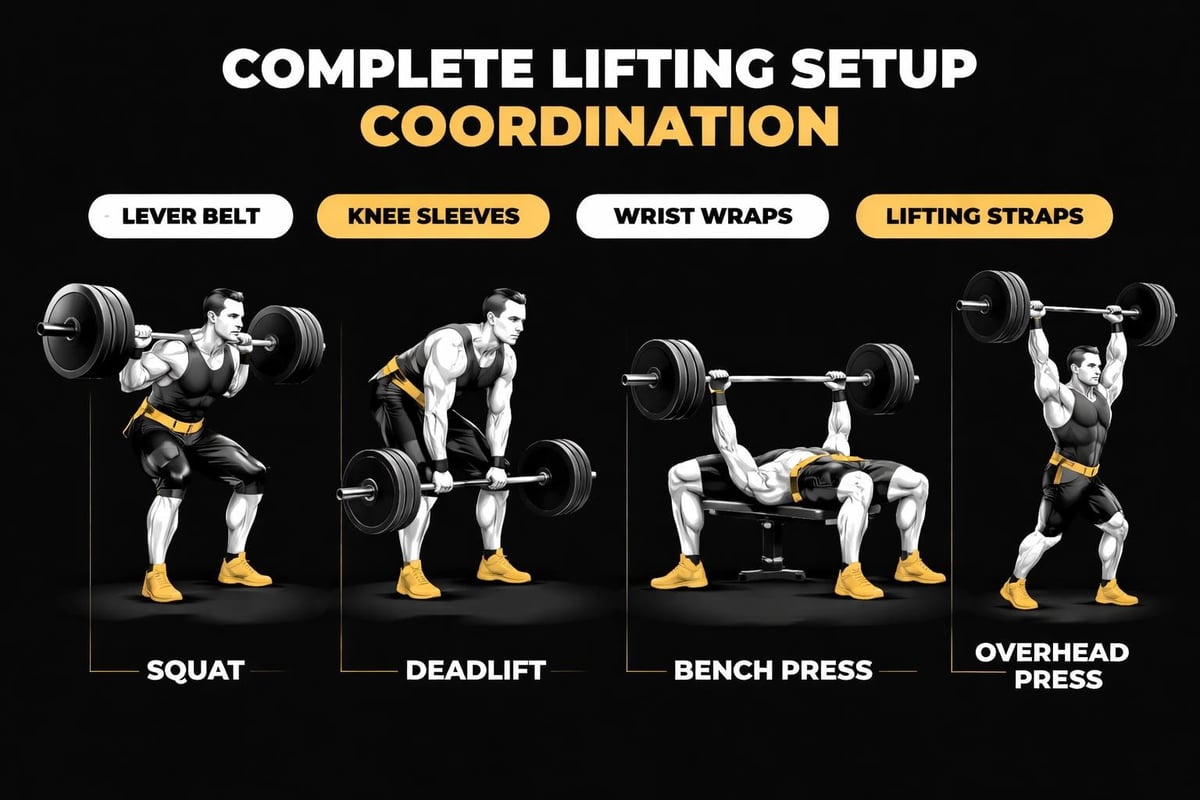
A lifting lever belt functions as part of your complete training gear ecosystem. Serious athletes understand that equipment choices should complement each other, creating synergy rather than conflicts. Your belt works alongside knee sleeves, wrist wraps, and other supportive gear to maximize performance while minimizing injury risk.
| Training Focus | Belt Tightness | Complementary Gear | Timing Strategy |
|---|---|---|---|
| Heavy Squats | Maximum | Knee sleeves, wrist wraps | Don before warm-ups |
| Deadlifts | Maximum | Lifting straps (accessories only) | Apply at 60%+ 1RM |
| Bench Press | Not used | Wrist wraps only | Standard protocol |
| Overhead Press | Medium | Wrist wraps optional | Use for 70%+ loads |
The lifting lever's quick adjustment capability allows you to modify tightness between different movement patterns without completely removing the belt. Some lifters prefer looser settings during warm-up sets, then increase tension as loads approach working weight. This flexibility supports both workout efficiency and physiological preparation for maximum efforts.
Coordinating with Specialized Equipment
Athletes participating in competitive powerlifting or strongman events must verify their lifting lever belt meets federation specifications. Most organizations require specific lever styles, attachment methods, and overall belt dimensions. The IPF-approved equipment standards provide clarity on acceptable gear modifications and lever types for sanctioned competition.
Training gear coordination extends beyond supportive equipment to include your complete gym bag setup. Quality performance shorts with proper pocket placement ensure your lever adjustment tool stays accessible during training sessions. Similarly, investing in durable storage like specialized duffle bags protects your lever belt mechanism from impacts that could knock components out of alignment.
Maintenance Practices for Lever Longevity
Regular maintenance extends the functional lifespan of your lifting lever while ensuring consistent performance. Unlike prong belts that primarily require leather conditioning, lever systems need attention to mechanical components that experience friction and stress with every use. Developing a simple maintenance routine prevents small issues from escalating into equipment failures during crucial training periods.
Monthly Maintenance Checklist
- Inspect pivot points for excessive play or looseness
- Check all screws and rivets for tightness and security
- Clean the lever mechanism to remove chalk, sweat, and debris
- Apply light machine oil to moving parts (avoid leather contact)
- Test spring tension to ensure consistent lock engagement
- Examine leather mounting areas for cracking or separation
The environment where you store your lifting lever belt affects its longevity significantly. Extreme temperature fluctuations cause metal components to expand and contract, potentially loosening fasteners or creating stress fractures. Similarly, high humidity accelerates corrosion on steel components, while excessive dryness cracks leather around mounting points. Store your belt in a climate-controlled space when possible, or at minimum keep it away from direct sunlight and moisture sources.
Biomechanical Advantages During Heavy Lifts
Understanding how a lifting lever belt enhances biomechanical efficiency helps explain why elite athletes universally adopt this equipment. When you brace against a securely fastened belt, you create increased intra-abdominal pressure that stabilizes the spine during loaded movements. The consistency provided by lever-based tightening ensures this pressure remains constant across all repetitions, unlike manual tightening methods that vary set to set.
Research examining lifting beam principles in industrial applications reveals parallels to how belts distribute forces around the torso. Just as spreading beams prevent load concentration that could damage materials, a properly tightened lifting lever belt distributes bracing forces evenly around your core. This even distribution prevents pressure points while maximizing the supportive benefits across your entire midsection.
Force Distribution Patterns
The mechanics of how humans generate force during compound lifts involves creating a rigid torso that transfers power from legs through the core to the bar. Any instability or weakness in the midsection becomes a limiting factor before muscle groups reach their true potential. A quality lifting lever system eliminates this weak link by providing:
- 360-degree circumferential support preventing lateral flexion
- Consistent pressure maintenance throughout the entire range of motion
- Immediate feedback when bracing technique needs adjustment
- Psychological confidence that allows full commitment to maximum efforts
Athletes transitioning from no belt to lever belt systems typically report immediate increases in working weights of 5-10% on squats and deadlifts. This improvement stems not from artificial strength enhancement, but rather from allowing existing strength to express fully without compensatory patterns limiting performance.
Comparing Lever Technologies Across Manufacturers
The lifting lever market in 2026 offers numerous options ranging from budget imports to premium handcrafted systems. While the fundamental principle remains constant, execution quality varies dramatically. Understanding what separates exceptional products from adequate ones empowers informed purchasing decisions that match your training intensity and longevity expectations.
Premium manufacturers distinguish themselves through precision engineering that accounts for real-world use patterns. The tolerances in lever mechanisms affect how securely they lock under load and how smoothly they release after sets. Budget systems often exhibit excessive play in pivot points, creating a loose feeling that undermines confidence during maximum efforts. This play also accelerates wear, reducing functional lifespan substantially.
Feature Comparison Framework
| Component | Budget Tier | Mid-Range | Premium |
|---|---|---|---|
| Lever Material | Zinc alloy | Steel | Hardened steel/aluminum |
| Pivot Design | Single rivet | Double rivet | Precision machined bearing |
| Adjustment Range | Fixed | 2-3 positions | Infinite micro-adjustment |
| Weight Capacity | 300 lbs | 500 lbs | 1000+ lbs |
| Warranty Coverage | 90 days | 1 year | 5+ years |
The lever buckles selection from established manufacturers reflects years of iterative design improvements based on athlete feedback. These refinements address common failure points and user experience issues that only become apparent after thousands of training sessions. While the visible differences might seem minor, the accumulated advantages in daily use justify the investment for serious lifters.
Real-World Applications Beyond Traditional Lifting
While weightlifting represents the primary application for lifting lever technology in fitness contexts, the mechanical principles extend to numerous other activities. Understanding these broader applications provides perspective on why lever systems have become ubiquitous across industries requiring reliable load management and quick-release functionality.
The Highfield lever used in sailing demonstrates how lever mechanics solve tension adjustment challenges in demanding environments. Similarly, specialized shoulder dolly systems apply leverage principles to ergonomic lifting tasks. These parallel applications validate the fundamental soundness of lever-based approaches to force multiplication and load management.
Athletes who cross-train across multiple disciplines appreciate how equipment familiarity transfers between contexts. The muscle memory developed operating your lifting lever belt translates to quicker adaptation when using lever-based systems in other activities, from rock climbing harnesses to tactical gear worn during military-style training. This cross-pollination of mechanical understanding enhances overall equipment literacy and problem-solving capabilities.
Selecting the Right Lifting Lever for Your Training Style
Your specific training approach should guide lifting lever selection more than brand loyalty or price point alone. A powerlifter performing sets of 1-3 repetitions at maximum intensity requires different features than a CrossFit athlete doing high-repetition Olympic lifting complexes. Similarly, bodybuilders focused on hypertrophy with moderate loads need different adjustment ranges than strongman competitors handling asymmetric implements.
Training Style Matching Guide
Powerlifting Focus:
- Maximum tightness capability for competition attempts
- Durable construction for thousands of max effort sets
- Quick release for between-attempt recovery
- Competition-approved lever style and dimensions
Olympic Weightlifting:
- Moderate tightness for dynamic movements
- Low-profile lever design that doesn't interfere with clean rack position
- Lighter overall weight for explosive lifts
- Flexible leather for full range overhead positions
General Strength Training:
- Versatile adjustment range for varied exercises
- Balance between security and comfort
- Easy maintenance for frequent use
- Value-focused durability for long-term daily training
Athletes who participate in multiple training modalities might consider maintaining separate belts optimized for each context rather than compromising with a one-size-fits-all approach. The investment in specialized equipment pays dividends in performance optimization and equipment longevity when each piece serves its intended purpose without being forced into incompatible applications.
Common Mistakes with Lifting Lever Equipment
Even experienced lifters make preventable errors when transitioning to or maintaining lever-based belt systems. Recognizing these common pitfalls helps you avoid frustration and equipment damage while maximizing the performance benefits your gear provides. Most mistakes stem from treating lever belts identically to prong systems rather than acknowledging the mechanical differences requiring adjusted approaches.
Frequent User Errors
- Over-tightening beyond functional needs, creating unnecessary stress on components
- Neglecting periodic adjustment screw checks, allowing loosening over time
- Storing the belt while closed, maintaining spring tension unnecessarily
- Using excessive force on the lever arm, risking metal fatigue
- Failing to clean chalk and debris, accelerating mechanical wear
The temptation to achieve maximum possible tightness often leads lifters to crank their lifting lever beyond what's biomechanically beneficial. Remember that the goal is creating sufficient intra-abdominal pressure for spinal stability, not restricting breathing or causing discomfort that distracts from movement execution. Finding the optimal tightness point for your physiology requires experimentation and honest self-assessment.
Another common mistake involves positioning the belt too low on the torso, placing the lifting lever mechanism near the hip bones where it can create pressure points during squats. The belt should sit at your natural waist, typically where your torso is widest, allowing the lever to rest comfortably against soft tissue rather than bone. This positioning maximizes both comfort and mechanical advantage during bracing.
Understanding lifting lever mechanics, maintenance requirements, and application strategies transforms this simple mechanism into a performance-enhancing tool that serves you reliably for years. Whether you're chasing personal records on compound lifts or building foundational strength for athletic pursuits, the right lever-based equipment provides consistent support that adapts to your evolving training demands. Quality matters tremendously in gear you'll use thousands of times across your lifting career. At KatamuCo, we've engineered our lever belt systems with premium materials and precision construction that serious lifters demand, backed by designs that make your training experience both effective and enjoyable. Explore our complete collection of lifting gear built to support your strength journey for years to come.
