 30-Day Money Back Guarantee

Competitive powerlifting is evolving, and in 2026, choosing a singlet ipf approved will be more important than ever. Lifters everywhere are facing new challenges as regulations tighten and more brands enter the market.
Selecting the right singlet ipf approved does not just help you stay within the rules, it can seriously impact your comfort and performance on the platform. The right fit and features can make all the difference when every lift counts.
This ultimate guide will walk you through the latest IPF singlet rules, must-have features, sizing advice, top brands, buying tips, care instructions, and answers to the most common questions. Whether you are a seasoned competitor or a first-time lifter, this resource will help you lift with confidence and compliance.
Understanding IPF Singlet Regulations for 2026
Choosing the right singlet ipf approved for competition is not just about looks. IPF regulations ensure a level playing field and fair judging for every athlete. With 2026 bringing new rule changes, understanding these details is more important than ever.
What Makes a Singlet “IPF Approved”?
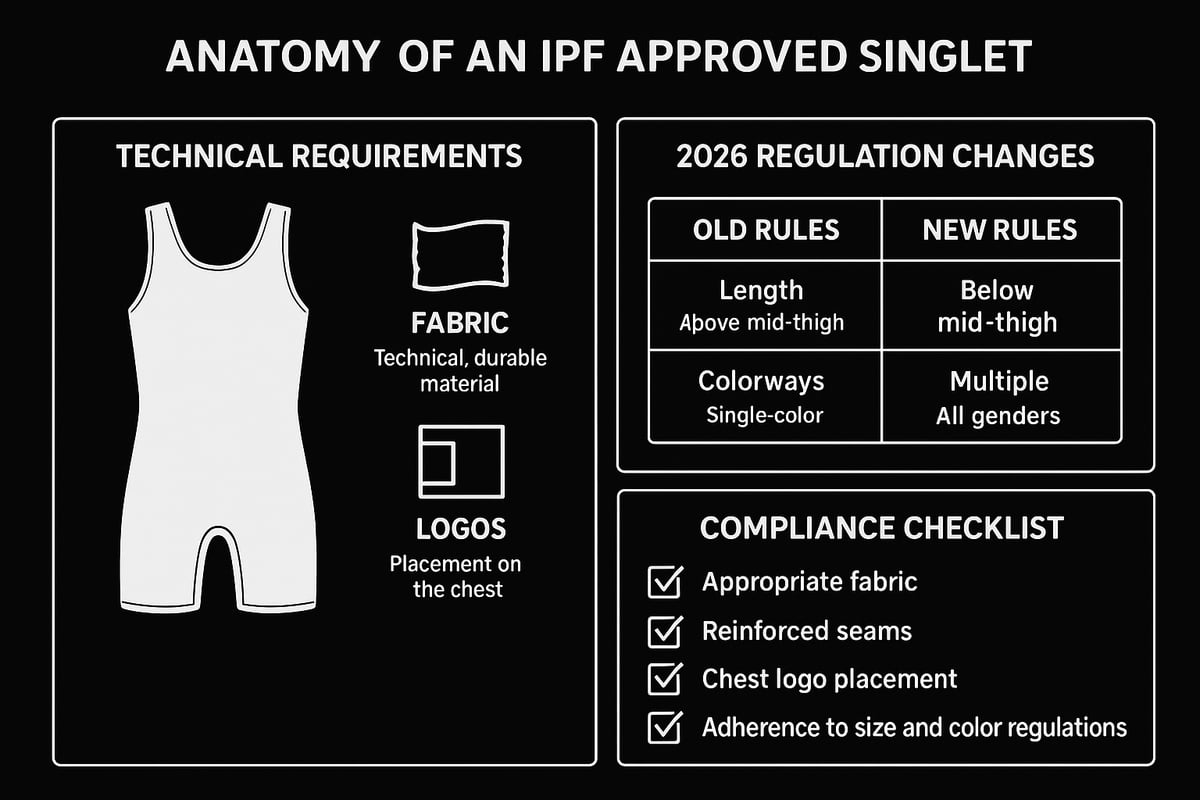
The International Powerlifting Federation (IPF) is the global authority for competitive powerlifting standards. For a singlet ipf approved status, the garment must meet strict 2026 regulations. Judges need to see the lifter’s body form clearly, so approved singlets use non-reflective, single-layer fabrics like lycra or polyester blends.
Technical specs cover everything from fabric weight to seam placement. Only one small manufacturer logo is allowed, and color choices can’t distract from the lifter’s outline. Gymshark, for example, earned its singlet ipf approved badge after passing IPF’s rigorous compliance checks. Common reasons for disqualification include excessive branding, mesh panels, or unapproved materials.
In 2024, over 147 singlet ipf approved products were listed by major retailers. Federations require standardized apparel to ensure every lifter is judged by the same visual and technical standards. For full technical details, lifters should consult the IPF Technical Rules Book 2026.
Key 2026 Updates and Changes in Regulations
The 2026 season introduces several important updates for singlet ipf approved status. First, new rules clarify singlet length, requiring hems to reach mid-thigh but not extend below the knee. Fit must be snug but not restrictive, and the use of high-stretch, quick-drying fabrics is now encouraged for better mobility and comfort.
Gender inclusivity is a focus, with unisex designs and a broader sizing spectrum now accepted. Singlet ipf approved colorways have expanded, but bright neon and reflective elements remain restricted. Personalization is possible, yet custom embroidery and patches must fit within strict placement and size guidelines.
A7’s introduction of long-legged options is a direct response to tall athlete feedback and the 2026 fit rules. Previously approved singlets may still be legal if they meet updated standards, thanks to “grandfathering” clauses. However, lifters should double-check their gear each season.
The number of brands seeking singlet ipf approved status has increased by 30% since 2024, reflecting the sport’s growth and the new regulatory landscape. These updates help improve fairness, making sure no athlete gains an advantage from apparel and that every lift is easy to judge.
Compliance Checklist for Lifters
To compete confidently, use this checklist for your singlet ipf approved:
- Confirm your singlet is on the latest IPF-approved list or has a manufacturer’s IPF tag.
- Double-check fabric, logo size, and color against the 2026 rules.
- Review annual updates to ensure continued compliance.
- Try on your singlet with all meet-day gear (belt, shirt) to test fit and mobility.
- Avoid modifications or customizations that could violate rules.
Common mistakes include wearing singlets with faded approval tags or unauthorized alterations. Some lifters have faced disqualification at equipment check for missing or oversized logos. For the latest lists, visit the official IPF or trusted brand websites.
By following this compliance process, you can step onto the platform knowing your singlet ipf approved meets every requirement.
Essential Features of an IPF Approved Singlet
Choosing the right singlet ipf approved is about more than just meeting rules. It is about finding the perfect blend of performance, comfort, and style within strict federation guidelines. Let us break down the must-have features every lifter should look for in a singlet ipf approved for 2026.
Material and Construction
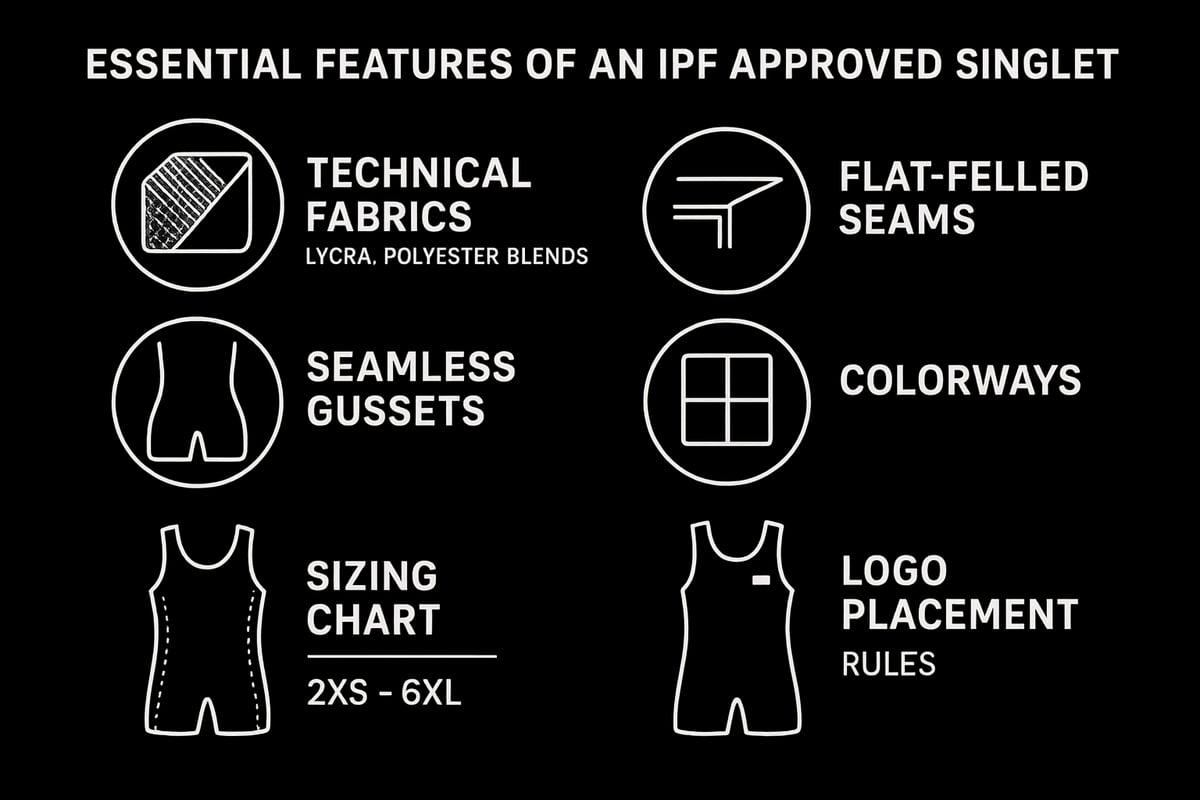
A singlet ipf approved for competition must use technical fabrics like lycra or polyester blends. These materials are chosen for their stretch, breathability, and ability to keep shape under heavy loads. Many top brands now use quick-drying fabrics that wick away sweat, keeping you cool and focused.
Seamless construction is a major trend for 2026. Flat-felled seams and reinforced gussets prevent discomfort and chafing. This also helps the singlet move with your body, which is key when using a lifting belt. For example, Gymshark’s use of Taslan yarn improves both durability and comfort, making their singlet ipf approved models last through intense training cycles.
Durability matters, especially for frequent competitors. Features like reinforced stitching and gussets extend the life of your gear. The move toward seamless, high-stretch fabrics is not just for comfort. It is proven to help with mobility and consistent performance on the platform.
Fit, Sizing, and Comfort
Getting the right fit in a singlet ipf approved is crucial for both compliance and confidence on meet day. Sizing is usually based on weight, height, and body shape, and most brands now offer a wide range from 2XS to 6XL. High-stretch materials allow the singlet to contour to your body, supporting muscles without restricting movement.
Unisex and gender-inclusive designs are now common, so both men and women can find a singlet ipf approved that fits well. Look for features like a full gusset for larger quads or extra length for tall athletes. If you are between sizes, many brands recommend sizing down for a snug, supportive feel. To help you get it right, check out this size guide for lifting apparel.
Common fit issues include loose straps or excess fabric around the hips. These can not only hurt performance but also risk non-compliance. Always try on your singlet ahead of time and move through squat and bench positions to check for any pinching or slipping.
Design, Colorways, and Customization
The design of a singlet ipf approved must follow strict rules. For 2026, permitted colorways are more flexible, but neon and metallic finishes are still restricted. Logos are limited in size and must be placed according to federation guidelines.
Personalization options, like name embroidery or custom patches, are allowed within certain limits. For instance, A7’s Luno and Rausch colorways are popular choices that balance individuality with compliance. The key is to express your style while always double-checking that your design stays within IPF rules.
Remember, a well-designed singlet ipf approved helps you stand out on the platform, but it should never risk your eligibility.
How to Choose the Right IPF Approved Singlet
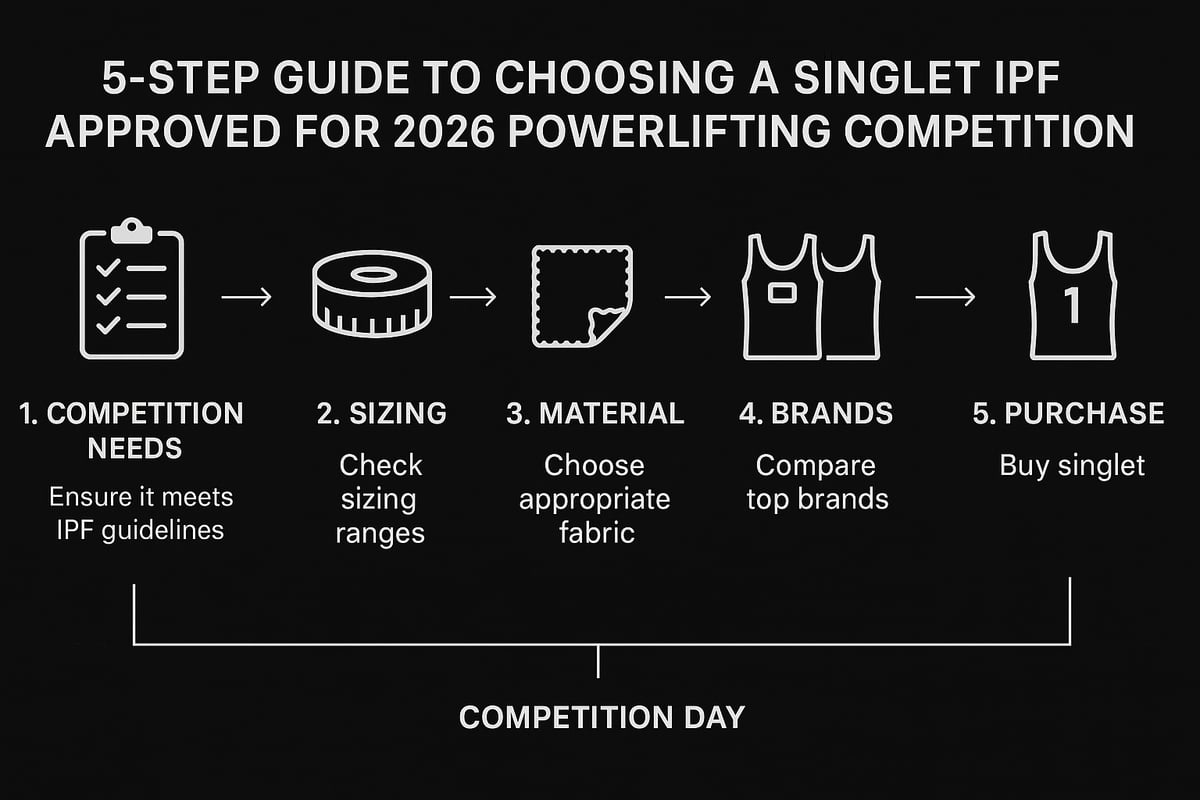
Selecting the best singlet ipf approved for your needs can feel overwhelming, especially with evolving rules and so many brands on the market. The right choice impacts your competition performance, comfort, and eligibility. Follow these five steps to make your decision process simple and effective.
Step 1: Assess Your Competition Needs
Begin by considering your competition level. Are you entering a local meet, a national qualifier, or an international contest? Each level may have slightly different requirements, but all must use a singlet ipf approved by the International Powerlifting Federation.
Check if your federation or event has any unique rules in addition to IPF standards. Frequency of use and your budget will influence your decision as well. First-time competitors might prioritize affordability and basic compliance, while seasoned athletes may look for premium features.
To verify the latest technical standards, consult the Katamu gear specifications guide, which details what makes a singlet ipf approved for 2026. This ensures you are fully prepared for the specific demands of your chosen competition.
Step 2: Find Your Perfect Size and Fit
Getting the right fit is essential for both comfort and competition eligibility. Start by checking the brand’s official size chart, as sizing varies between manufacturers. Measure your weight, chest, hips, and height accurately.
Most singlet ipf approved models offer unisex sizing, but some brands provide gender-specific fits for enhanced comfort. If you’re between sizes, many lifters recommend sizing down for a snug, supportive feel that won’t bunch or shift during lifts.
Common sizing issues include straps that dig in or legs that ride up. Look for models with high-stretch fabrics and full gusset designs, especially if you have larger quads or a unique build.
Step 3: Evaluate Material and Comfort
Material choice directly affects your experience on the platform. Singlet ipf approved options typically use blends like lycra or polyester for flexibility and durability. Prioritize fabrics that offer quick-drying and odor-resistant properties, especially if you sweat heavily under pressure.
Examine seam placement to avoid chafing, and seek out flat-felled or seamless construction for maximum comfort under a lifting belt. Some brands now use advanced yarns for extra stretch and resilience, keeping you cool and dry throughout your session.
Always try on your singlet ipf approved before meet day to check for any discomfort or restricted movement during squats, bench, and deadlifts.
Step 4: Compare Leading Brands and Models
With so many singlet ipf approved brands, comparison is key. Top contenders like A7, Gymshark, SBD, and Titan each offer unique features. Some focus on seamless construction, others on extended sizing or color options.
Price ranges vary from entry-level to premium models. For example, A7’s long-legged singlet appeals to taller athletes, while SBD is known for its proprietary fabric blends and competition-tested durability.
Create a comparison table to weigh durability, fit, aesthetics, and price. User reviews can also highlight real-world pros and cons, helping you find the singlet ipf approved that matches your body type and competition goals.
Step 5: Purchase and Prepare for Competition
When ready to buy, use official brand websites or trusted retailers to avoid counterfeit products. Always confirm that your chosen model is a current singlet ipf approved by checking the manufacturer’s tags and the latest official lists.
Try on your singlet well before competition day to ensure a perfect fit and break it in during training. Bring a backup if possible, and review your meet checklist for peace of mind.
Proper preparation ensures your singlet ipf approved meets all federation standards, giving you one less thing to worry about on the platform.
Top IPF Approved Singlet Brands and Models for 2026
Choosing the right singlet ipf approved for competition can be a game changer. With new models and updated features, 2026 offers more options than ever. Let’s break down the top brands, what makes them stand out, and how to confidently select the best singlet ipf approved for your needs.
A7 IPF Approved Singlets
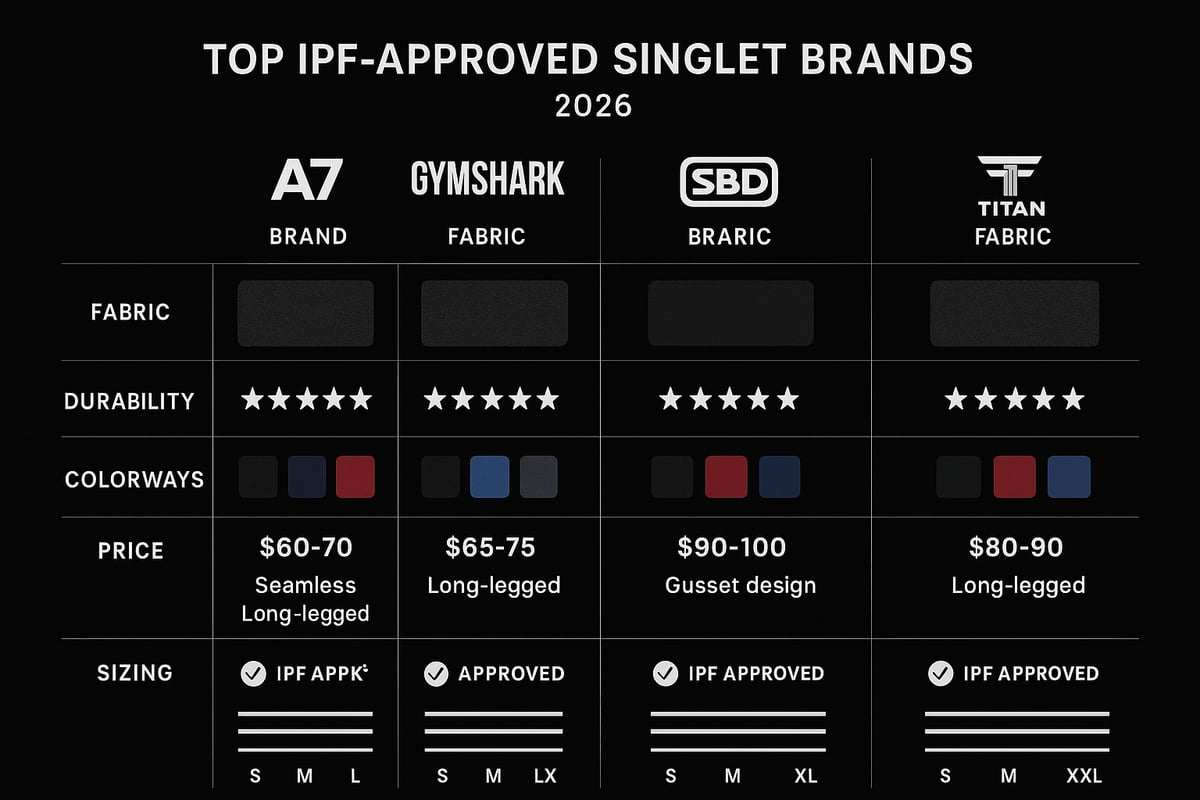
A7 remains a leader in the singlet ipf approved market for 2026. Their lineup features innovative options like the Luno and Rausch collections, both designed for supreme comfort and style. A7 offers long-legged versions, which is a unique solution for taller athletes or those seeking more coverage.
You’ll find sizes from 2XS up to 6XL, ensuring inclusivity for all body types. The brand’s seamless construction and reinforced gussets offer both durability and freedom of movement. A7’s colorways are compliant with IPF rules, so lifters can choose a look that matches their personality while staying within the guidelines.
Gymshark IPF Approved Powerlifting Singlet
Gymshark has made a major impression with its first singlet ipf approved for IPF meets. Their unisex design uses Taslan yarn, a material prized for its blend of comfort, stretch, and durability. Body contouring seams help provide a supportive fit, and the full gusset accommodates lifters with larger quads.
Athlete endorsements, like Jamal Browner’s record-setting lifts, highlight the singlet’s performance credentials. Gymshark’s sizing advice encourages lifters to size down for a snug, competition-ready fit. This singlet ipf approved is quickly becoming a favorite among both new and elite lifters.
SBD, Titan, and Other Leading Brands
SBD and Titan continue to set high standards for singlet ipf approved options. SBD’s reputation is built on quality, with a focus on competition durability and comfort. Their full-length powerlifting singlet features a proprietary fabric blend and is available for both men and women. For example, the SBD Full Length Powerlifting Singlet is a popular choice among competitive lifters.
Titan offers a wide range of fits and fabric blends, catering to lifters who prefer either a compressive or a more relaxed feel. Both brands are known for offering robust sizing options and are frequently seen on the competition platform. In 2024, SBD and Titan were among the best sellers, showing their ongoing popularity in the singlet ipf approved category.
Other notable brands are also entering the market, with many seeking IPF approval ahead of the 2026 regulation changes. This competitive landscape means more variety and innovation for lifters.
Comparing Features, Fit, and Value
Let’s compare the leading singlet ipf approved models side by side:
| Brand | Unique Features | Fit & Sizing | Price Range | Best For |
|---|---|---|---|---|
| A7 | Long-legged, seamless | 2XS–6XL, unisex | $$–$$$ | Tall/larger athletes |
| Gymshark | Taslan yarn, contouring | Unisex, size down | $$ | Comfort & stretch |
| SBD | Proprietary fabric blend | Men/Women, full-length | $$$ | Competition focus |
| Titan | Variety of fits/materials | Wide size range | $$–$$$ | Customizable fit |
Pros:
- Wide sizing and fit options
- Durable, competition-tested fabrics
Cons:
- Price varies by brand and features
- Some models sell out quickly
When selecting a singlet ipf approved, consider your body type, competition frequency, and personal preferences for fabric and fit.
Where to Buy and How to Spot Counterfeits
Always buy your singlet ipf approved from trusted retailers or the official brand website. Look for IPF approval tags, official product listings, and check the latest approved lists on the IPF website.
Be cautious of deals that seem too good to be true, as counterfeit singlets may not meet competition standards. Authentic singlets come with clear sizing labels and compliance documentation, so double-check before meet day.
Care, Maintenance, and Longevity of Your Singlet
Keeping your singlet ipf approved in top condition is essential for both performance and compliance. Proper maintenance not only extends its lifespan but also ensures you meet competition standards every time you step onto the platform.
Washing and Storage Guidelines
Washing your singlet ipf approved correctly is the first step toward long-lasting gear. Always use cold water and a mild detergent to protect fabric integrity. Avoid bleach or harsh chemicals, as these can break down the performance fibers and cause color fading.
After washing, air dry your singlet ipf approved on a flat surface or hanger, away from direct sunlight. Never use a tumble dryer, as heat may lead to shrinkage or fabric breakdown. Most brands recommend turning the singlet inside out before washing to protect logos and seams.
For storage, keep your singlet ipf approved in a cool, dry place. Avoid leaving it in your gym bag for extended periods, as trapped moisture encourages bacterial growth and odors. Following these steps can extend your singlet’s life by up to 30 percent, according to leading manufacturers.
Repair and Replacement Tips
Even with the best care, your singlet ipf approved may show signs of wear over time. Watch for loose seams, thinning fabric, or small tears—these can be repaired with basic sewing skills if caught early. Reinforce high-stress areas like the gusset and shoulders for extra durability.
If you notice significant damage or persistent fit issues, it may be time to replace your singlet ipf approved. Competing in a damaged singlet can risk disqualification, so inspect your gear before every meet. For more detailed advice on when to repair or replace, visit the Frequently asked gear questions page, which covers common maintenance and compliance concerns.
Keep a checklist:
- Inspect seams and fabric before each use
- Address minor repairs promptly
- Replace if fabric becomes see-through or overstretched
Maximizing Comfort and Hygiene
To keep your singlet ipf approved fresh and comfortable, always wash it after each session. Performance fabrics are designed to wick moisture, but sweat can still lead to odor buildup if not cleaned regularly. Use a sports-specific detergent for best results.
Hang your singlet ipf approved in a well-ventilated area to dry quickly and prevent bacterial growth. Some modern singlets use odor-resistant technology, but even these need proper care. Rotate between two singlets if you train frequently to allow full drying time.
Pay attention to any skin irritation, as it can signal trapped bacteria or detergent residue. Rinse thoroughly and avoid fabric softeners for optimal hygiene and comfort.
Preparing Your Singlet for Competition Day
Before competition, double-check that your singlet ipf approved is clean, dry, and free from damage. Pack it in a separate compartment of your gym bag to keep it pristine. On meet day, do a quick inspection for any loose threads or stains that could raise concerns during equipment check.
Bring a backup singlet ipf approved if possible, just in case of unexpected issues. A well-prepared singlet not only helps you comply with IPF regulations but also boosts confidence and focus on the platform.
Frequently Asked Questions About IPF Approved Singlets
Choosing the right singlet ipf approved for competition can bring up a lot of questions. Below, you’ll find answers to the most common concerns lifters have about fit, compliance, personalization, and the buying process.
Sizing and Fit Concerns
Finding the right singlet ipf approved size is crucial for both comfort and compliance. Start by checking each brand’s sizing chart, which usually considers your weight, height, and sometimes chest and hip measurements.
If you’re between sizes, most lifters prefer sizing down for a snug, supportive fit. This helps prevent shifting during lifts. For those with larger quads or unique builds, look for models with a full gusset or extra stretch.
Common fit issues include singlets riding up, excess fabric bunching, or straps digging into shoulders. If your body changes due to weight gain or loss, reassess your fit before your next meet. Trying on your singlet with your lifting belt and underlayers is a smart move to ensure everything feels right.
Rules, Disqualifications, and Appeals
A singlet ipf approved for one season might not be legal the next if rules change. Always check the latest IPF-approved gear list before your meet. At equipment check, referees will inspect for correct logo placement, approved colors, and proper material.
If your singlet is rejected, you’ll be asked to change before competing. Disqualifications can also happen if you alter your singlet with non-approved patches or embroidery. It’s important to stay updated on rule changes, especially with the 2026 updates. Recently, the IPF Postpones 2026 Rule Implementation, giving lifters more time to adjust. If you feel your singlet was unfairly rejected, you can appeal the decision to the chief referee, but results can vary by federation.
Upgrades and Personalization
Many lifters want their singlet ipf approved to reflect their personal style. The IPF allows some customization, like adding your name or country, but within strict limits. Logos must be small and placed only where allowed. Extra patches, embroidery, or unofficial color changes can make your singlet non-compliant.
Popular legal options include custom colorways offered by brands, or minimal personalization like initials. Before making any upgrades, double-check the IPF rules and brand guidelines. Remember, even small changes can lead to disqualification. Always have proof from the manufacturer that your modifications meet federation requirements.
Buying, Shipping, and Returns
When buying a singlet ipf approved, stick to official brand websites or trusted retailers. This helps you avoid counterfeits, which can fail equipment checks. Look for clear IPF approval markings and check for compliance on the latest gear list.
Shipping times vary by region and brand, so order early, especially before major competitions. Most brands offer easy returns if sizing isn’t right, but be sure to keep tags attached and avoid washing the singlet before returning. For a broader look at competition essentials, you can compare options in Powerlifting belt and gear reviews. Always read retailer policies to avoid surprises, and test your singlet as soon as it arrives to ensure a stress-free meet day.
If you’ve made it this far, you already know how much the right IPF approved singlet can help you perform your best and stay competition ready in 2026. Picking quality gear isn’t just about following the rules—it’s about feeling confident, supported, and comfortable every time you step onto the platform. At Katamu, we get what lifters need because we’re lifters too. Whether you’re gearing up for your first meet or just want something that’ll last for years, finding the perfect fit matters. Ready to take your setup to the next level? Get yours now
