 30-Day Money Back Guarantee

Are you tired of your grip giving out before your strength on heavy lifts, making it feel impossible to hit a new personal best? You are not alone. Many lifters hit a wall when their hands cannot keep up with their power.
This 2026 guide is designed to help you break through that plateau by mastering deadlift straps. You will discover what deadlift straps are, why and when to use them, the types and materials available, step-by-step instructions, advanced tips, and how to pick the perfect pair for your goals.
Ready to unlock new strength, boost your confidence, and take your deadlift to the next level? Dive in and let’s get started.
What Are Deadlift Straps?
Deadlift straps are a simple yet powerful tool designed to help lifters overcome one of the most common barriers in strength training—grip fatigue. If you have ever found your hands giving out before your back or legs during a heavy pull, you are not alone. Deadlift straps provide the extra support you need to tackle those challenging lifts and push your progress further.
Definition and Core Function
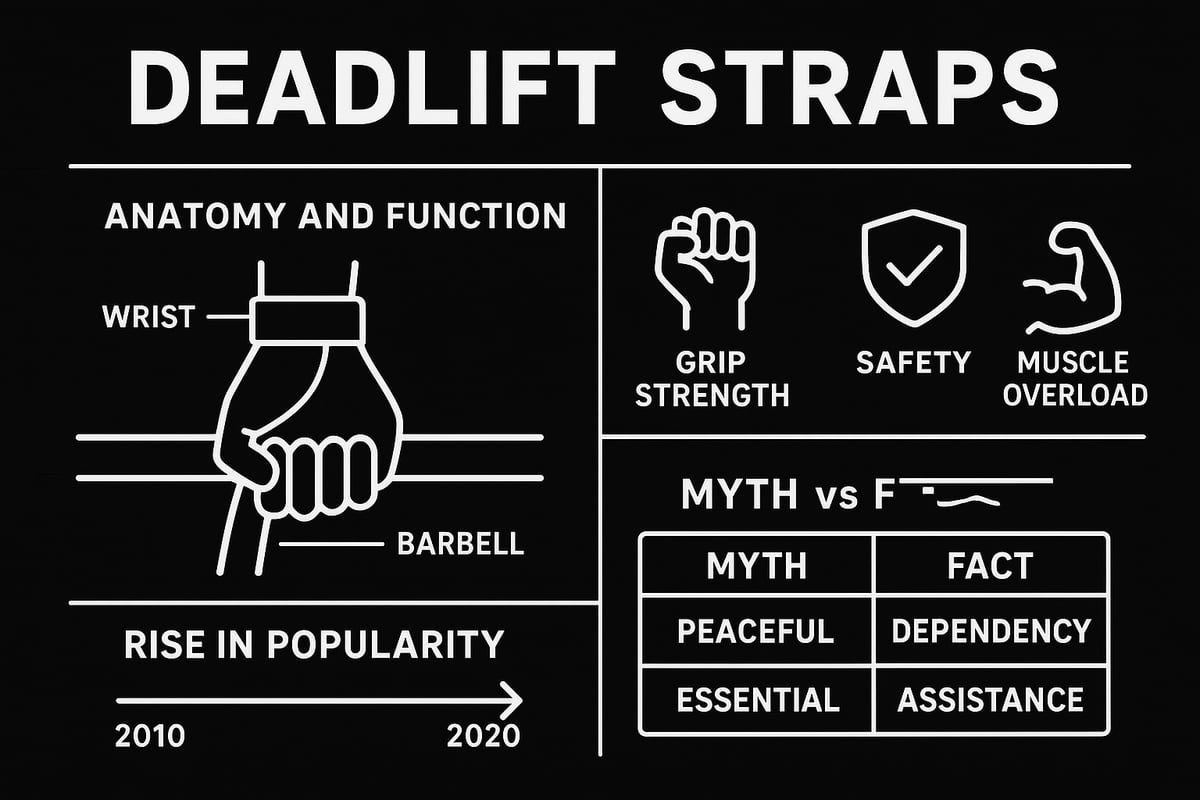
Deadlift straps are long, durable strips of material, typically made from cotton, nylon, or leather, that loop around your wrists and the barbell. Their main function is to enhance your grip on the bar, ensuring your hands do not give out before your larger muscle groups.
Unlike wrist wraps, which stabilize the wrist joint, deadlift straps specifically support your grip by physically connecting your hands to the barbell. This distinction is important, as many lifters confuse the two. Straps have been used in strength sports for decades, especially in powerlifting, strongman, and Olympic lifting. In the 2020s, their use soared as more athletes recognized the benefits of performance aids and sought ways to break through grip limitations.
The surge in popularity reflects a shift in training culture. Lifters now understand that developing pulling strength and muscle mass often requires tools that let them focus on form and output, not just grip endurance.
Key Benefits of Using Deadlift Straps
The primary benefit of deadlift straps is their ability to prevent grip fatigue during heavy or high-rep sets. By taking your grip out of the equation, you can focus on working your target muscles to their full potential. This means you will be able to lift more weight, complete more reps, and drive greater progress in your training.
Deadlift straps also reduce the risk of the bar slipping out of your hands, which boosts safety during max effort lifts. They are invaluable for exercises like deadlifts, rows, and shrugs. Both beginners and elite athletes can benefit, especially when grip is the limiting factor.
There is a common misconception that using straps is a shortcut, but in reality, they allow you to overload muscles safely and with better technique. For a deeper dive into the advantages, check out this Benefits of wrist straps article, which covers how they enhance performance and protect your hands.
Common Myths and Misconceptions
One of the biggest myths surrounding deadlift straps is that they are only for weak lifters or those looking to "cheat." In fact, many top competitors and coaches recommend their strategic use to support good lifting technique and prevent injuries.
Proper use of deadlift straps does not mean you neglect your grip strength. Instead, they serve as a tool to help you train harder and longer, especially during periods of high volume or when recovering from hand injuries. When used correctly, straps allow you to maintain a strong, secure hold on the bar, reducing the risk of callus tears and dropped lifts.
Feedback from experienced lifters highlights that deadlift straps can actually improve your form by letting you focus on bar path, leg drive, and hip extension without constant worry about grip failure. This leads to safer, more effective training sessions.
Data & Examples
User feedback and research consistently show the impact of deadlift straps on training outcomes. Lifters report significant improvements in volume and performance. For example, a 2025 review from Spud Inc stated, “With these straps, that barbell ain’t going nowhere,” highlighting the unmatched grip security.
A quick look at competitor articles and user testimonials reveals that incorporating deadlift straps can increase total training volume by up to 15 percent and reduce the rate of grip-related failures. Studies have found that lifters can focus more on muscle engagement and less on hand fatigue, leading to steady strength gains.
In practice, many athletes have seen their deadlift numbers jump after adding deadlift straps to their routine. This real-world success is backed by both data and the collective experience of the lifting community.
When and Why Should You Use Deadlift Straps?
Struggling to hold onto heavy weights is a common frustration for lifters. Knowing exactly when and why to reach for deadlift straps can help you break plateaus safely and maximize your training.
Situations That Call for Straps
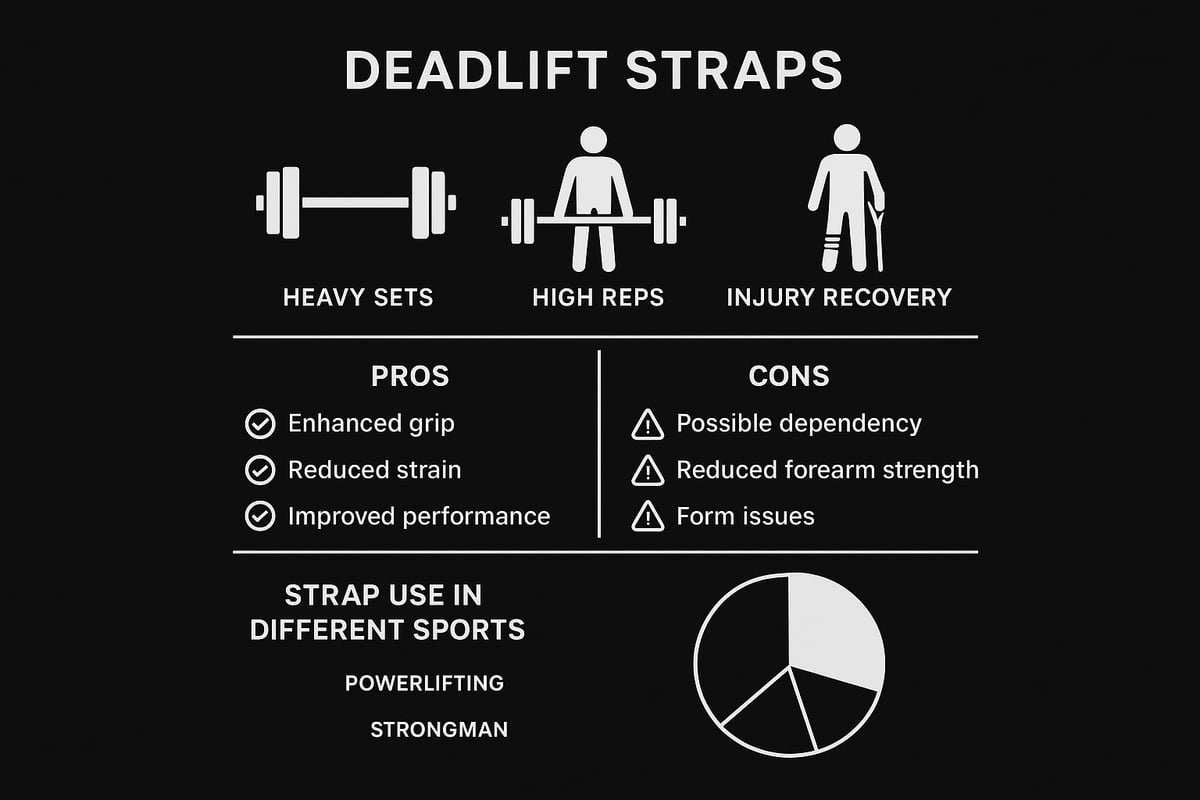
Deadlift straps shine when your hands become the limiting factor in pulling big weights. If your grip fails before your strength does, straps can keep you progressing.
Common scenarios include:
- Heavy deadlift sets where your hands give out early
- High-rep or volume training blocks that fatigue your grip
- Accessory pulls like rack pulls or Romanian deadlifts
- Training during injury recovery, especially with torn calluses or wrist pain
Using deadlift straps in these moments lets you focus on moving more weight and targeting your back and legs effectively. They are a valuable tool for lifters of all experience levels.
Pros and Cons of Strap Usage
Like any training aid, deadlift straps have both benefits and drawbacks. Here is a quick comparison:
| Pros | Cons |
|---|---|
| Maximize muscle stimulus | Can lead to grip dependency if overused |
| Allow safer, heavier lifts | Not allowed in some competitions |
| Help break through plateaus | May mask grip weaknesses |
Research, such as the ergogenic effects of lifting straps, shows that straps can boost grip security and reduce perceived exertion, making them a smart choice for pushing past sticking points. The key is to use them strategically, not as a crutch.
Athletic and Training Contexts
Deadlift straps are used differently across sports and training styles. In powerlifting, straps are great for training but not allowed in meets. Strongman athletes often rely on them for max pulls, where grip can be the main barrier.
Bodybuilders use deadlift straps to isolate and fatigue muscles without worrying about grip failure. CrossFitters and Olympic lifters may use them selectively during high-volume blocks or when recovering from hand injuries. Each context has its own best practices, but the goal is always to enhance performance safely.
Signs You Need Straps
How do you know it's time to add deadlift straps to your routine? Look for these signs:
- You consistently drop the bar due to grip, not strength
- Your deadlift numbers plateau even as your legs and back get stronger
- Torn calluses or hand injuries keep you from training hard
If these sound familiar, incorporating deadlift straps may be the missing link in your progress. Listen to your body and use straps to support, not replace, your natural grip.
Example Scenarios
Picture a lifter stuck at a 405 lb deadlift, constantly losing their grip first. After adding deadlift straps, they quickly progress to 495 lbs, unlocking their true strength.
User reviews and studies echo this experience, reporting improved comfort and performance. Many athletes credit deadlift straps for helping them train harder and recover from hand injuries faster. If grip is holding you back, straps can be a game-changer in your training journey.
Types of Deadlift Straps: Materials, Designs, and Features
Choosing the right deadlift straps can transform your lifting experience. With so many types, materials, and features on the market, finding the perfect pair can feel overwhelming. Let’s break down the most important factors so you can pick the ideal deadlift straps for your goals.
Main Strap Styles Explained
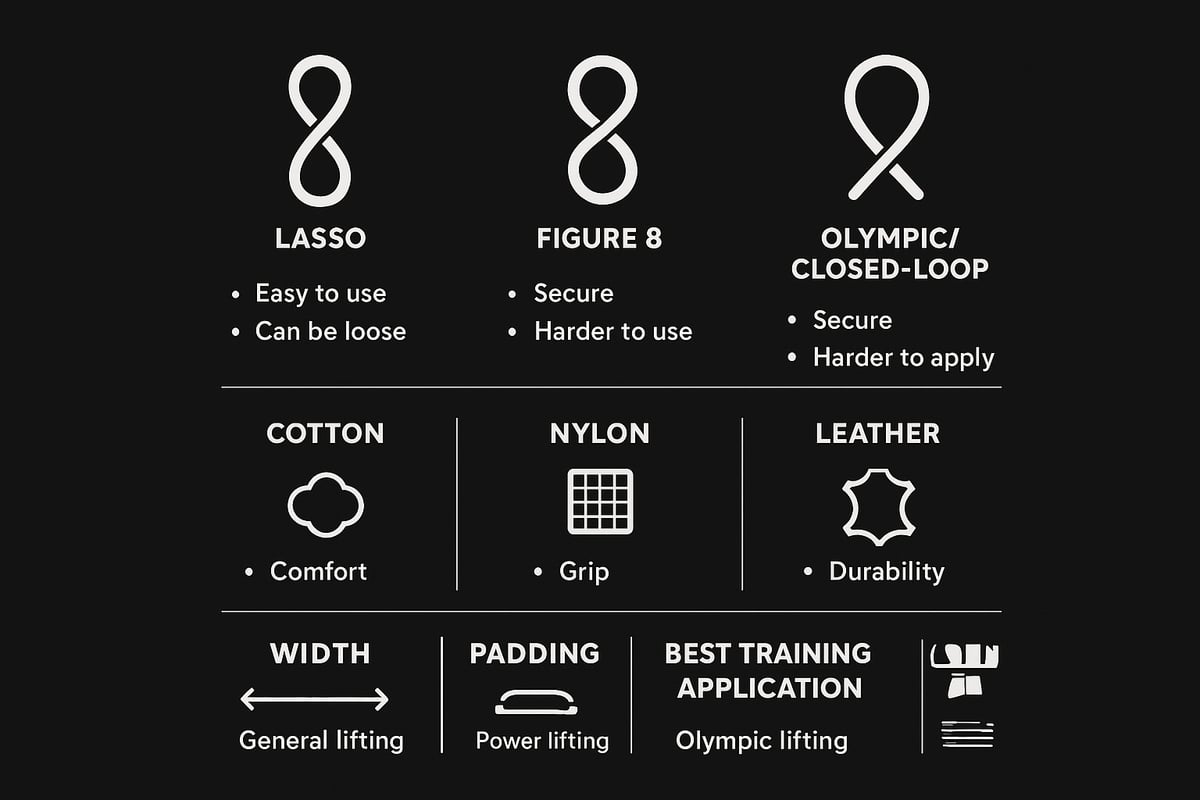
There are three primary deadlift straps styles, each with its own strengths:
- Lasso Straps: These are the most popular for everyday training. You loop them around your wrist, then wrap the loose end around the bar. They are versatile and easy to adjust, making them a favorite for both beginners and advanced lifters.
- Figure 8 Straps: Designed for maximum security, these form a double loop around your wrist and the bar. Figure 8s are perfect for heaviest pulls, especially in strongman competitions, but they can be harder to release quickly.
- Olympic (Closed-Loop) Straps: These have a sewn circle you slip your hand through. Olympic lifters love them for their fast release during lifts like snatches and cleans.
Here’s a quick comparison:
| Strap Type | Best For | Pros | Cons |
|---|---|---|---|
| Lasso | General training | Adjustable, versatile | Slightly slower setup |
| Figure 8 | Max lifts | Strongest hold, secure | Not quick-release |
| Closed-Loop | Olympic lifting | Quick to use/release | Less secure on max pulls |
With so many options, it’s helpful to browse a Lifting straps collection to see different designs in action.
Material Choices and Their Impact
Deadlift straps come in three main materials: cotton, nylon, and leather. Each affects comfort, grip, and lifespan.
- Cotton: Soft and affordable, cotton straps are gentle on the skin and provide a reliable grip. For example, thick ribbed cotton feels great during high-rep sessions.
- Nylon: Known for durability, nylon deadlift straps can withstand heavy use. They feel stiffer and less stretchy, which some lifters prefer for a firmer grip.
- Leather: Leather straps offer a premium feel and mold to your wrist over time. They last for years but can be pricier and require a break-in period.
Consider the following when choosing material:
| Material | Comfort | Grip | Durability |
|---|---|---|---|
| Cotton | High | Good | Moderate |
| Nylon | Medium | Firm | High |
| Leather | Molds | Strong | Very High |
No matter your choice, high-quality deadlift straps should feel secure and comfortable throughout your session.
Key Features to Look For
When shopping for deadlift straps, pay close attention to these key features:
- Width and Length: Standard sizes like 1.5” x 24” give plenty of wrap for a secure grip, while longer straps can provide extra security for thicker bars.
- Padding or Ribbing: Look for padding on the wrist or ribbed fabric for added comfort during heavy sets.
- Stitching Quality: Reinforced, double-stitched seams enhance both safety and longevity.
- Design and Color: Choose a style that fits your personality—many brands now offer bold colors and custom patterns.
Here’s a checklist for your next pair:
- Is the material comfortable for your skin?
- Does the length suit your lifting style?
- Are the straps well-stitched and reinforced?
A quality pair of deadlift straps should tick all these boxes for reliable performance.
How to Match Strap Type to Training Goals
Your training style should guide your deadlift straps choice. Powerlifters often prefer lasso straps for their balance of support and adjustability. Strongman athletes rely on figure 8s for grip security during maximum pulls. Olympic lifters benefit from closed-loop straps for quick release during dynamic lifts.
Beginners should focus on comfort and ease of use, while advanced lifters might prioritize durability and specialized features. If you train for bodybuilding, cotton or padded options help target muscle engagement without grip distractions.
User feedback highlights how the right deadlift straps can boost confidence and help lifters break through plateaus. “With these straps, that barbell ain’t going nowhere,” says one satisfied customer, reflecting the game-changing impact of a good fit.
Choose wisely, and your deadlift straps will become a trusted training partner, supporting your progress for years to come.
How to Use Deadlift Straps: Step-by-Step Guide
Mastering the use of deadlift straps can transform your lifting experience, making heavy pulls safer and more efficient. Whether you are a beginner or a seasoned athlete, following a clear, step-by-step approach ensures you get the most out of your deadlift straps while maintaining good technique. Let's break down each stage for optimal results.
Step 1: Preparing Your Straps and Bar
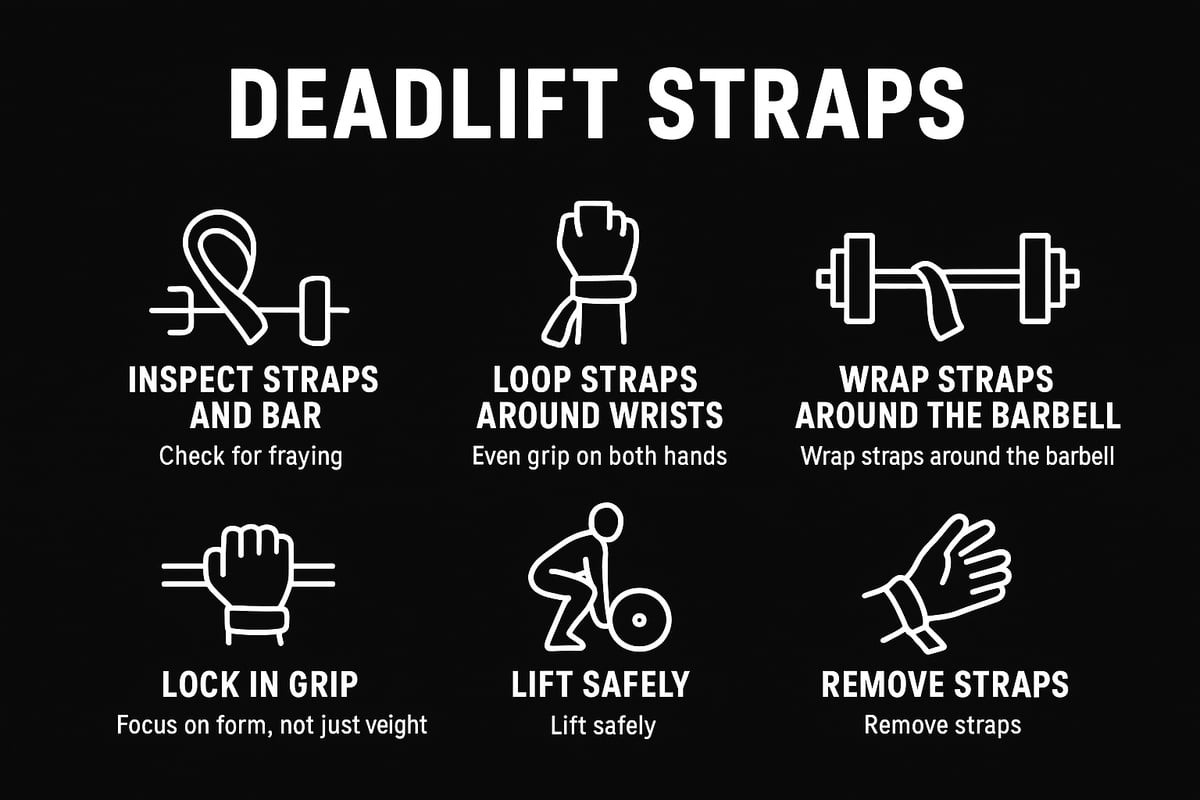
Before every lifting session, take a moment to inspect your deadlift straps. Look closely for signs of fraying, loose stitching, or material fatigue. Even high-quality straps can wear down over time, so making this check a habit boosts both safety and performance.
Next, examine the barbell. Wipe away any chalk build-up or sweat to ensure the knurling is clean. A clean bar enhances the grip of your deadlift straps. If your straps are adjustable, set their length according to your hand size and the type of lift you plan to perform. Taking these preparatory steps helps you avoid surprises mid-set and keeps your focus on the lift.
Step 2: Attaching Straps to Your Wrists
To properly use deadlift straps, start by sliding your hand through the loop. Whether you are using lasso, figure 8, or Olympic-style straps, ensure the strap rests comfortably but securely around your wrist. The flat side should sit against your skin, while any padding or ribbing should provide extra comfort on the inside.
Position the deadlift straps so they do not cut into your wrist or restrict circulation. The strap should feel snug, not overly tight. Adjust both straps so they are even, as symmetry helps maintain balance during your pull. This setup process only takes a few seconds, but it is vital for both comfort and safety.
Step 3: Wrapping Straps Around the Barbell
With your deadlift straps attached, reach for the barbell. Place the loose end of the strap underneath the bar, then wrap it around tightly. Make sure there is no slack—this is crucial for a secure grip.
You can use either an overhand or mixed grip, depending on your preference and the type of strap. For lasso straps, wrap the end around the bar two or three times, while figure 8 straps may only require one loop. The goal is to have both deadlift straps evenly wrapped, so the bar does not shift during your lift. Practice a few times to find the wrapping method that feels most secure.
Step 4: Securing Your Grip
Once your deadlift straps are wrapped, rotate the bar slightly to tighten them and lock your grip into place. This action pulls the straps snugly around both your wrists and the bar, creating a strong connection. Test your grip before lifting—try gently pulling on the bar to ensure nothing slips.
Both hands should feel equally secure. If one side feels looser, rewrap that strap for consistency. The security provided by deadlift straps lets you focus on the pull, not worrying about your grip giving out. This step is key to maximizing the benefit of using deadlift straps in your routine.
Step 5: Executing the Deadlift Safely
Now you are ready to lift. Approach the bar with your usual deadlift setup, but notice how much less tension is on your hands. Focus on maintaining good form throughout the movement. Deadlift straps allow you to concentrate on engaging your back and legs, letting your grip relax without fear of the bar slipping.
According to a study on kinematics and kinetics, using straps can improve pulling efficiency during heavy sets. As you lift, keep your core tight and drive through your heels. At the top or after your set, release the tension on the straps before letting go of the bar. This method ensures both safety and control.
Tips for Removing Straps After Lifting
Once your set is complete, do not yank the straps off. Instead, reverse the wrapping process gently. Unwind each strap from the barbell, then slide your hand out of the loop. Avoid abrupt movements, as these can strain your wrist or damage the deadlift straps.
Taking care of your equipment after each session will extend the life of your deadlift straps and keep your hands healthy. Make this a routine part of your lifting practice, and you will see both comfort and performance benefits.
Advanced Tips for Maximizing Deadlift Strap Benefits
Maximizing your results with deadlift straps is about more than just wrapping and pulling. By following expert strategies, you will not only lift heavier but also protect your long-term progress and safety. Let’s break down the advanced tips every serious lifter should know.
Preventing Over-Reliance and Maintaining Grip Strength
Deadlift straps are powerful tools, but you want to use them wisely. Relying on deadlift straps for every set can weaken your natural grip over time. To prevent this, balance your training by including strap-free sets in each workout.
Try the following approach for best results:
- Use deadlift straps for your heaviest or highest-rep sets only.
- Perform warm-up and some working sets without straps to train your grip.
- Add grip-specific exercises like farmer’s walks or static holds.
Research comparing lifting with and without straps shows that, while straps increase pulling performance, they should not replace raw grip training. For more detailed data, see this study on velocity and power variables during deadlifts performed with and without lifting straps.
Programming Straps Into Your Training
Strategic programming of deadlift straps can help you break through plateaus. Beginners should introduce straps only after mastering basic form and grip. More advanced lifters can periodize their use, rotating between training blocks with and without straps.
Consider these programming tips:
- Reserve deadlift straps for top sets or volume blocks to maximize muscle overload.
- Track your progress with and without straps to spot trends.
- If recovering from hand injuries, use straps for safety while you heal.
By integrating deadlift straps thoughtfully, you’ll maintain grip strength and see steady gains in pulling movements.
Avoiding Common Mistakes
Using deadlift straps incorrectly can limit their benefits or even cause setbacks. Be mindful of these common errors:
- Wrapping straps too loosely, which leads to bar slippage.
- Over-tightening, causing wrist pain or numbness.
- Ignoring signs of wear, like frayed edges or weakened stitching.
Always inspect your deadlift straps before training. Practice proper wrapping technique, and replace worn-out straps promptly to ensure safety and performance.
Enhancing Comfort and Longevity
To get the most from your deadlift straps, take care of them and your hands. Clean your straps regularly, especially after heavy or sweaty sessions. Store them in a dry, cool place to prevent mildew or material breakdown.
Other tips for comfort and longevity:
- Rotate between pairs for heavy and light days.
- Choose straps with padding or ribbing for added hand protection.
- Let straps air dry fully before storing them in your gym bag.
Proper care extends the life of your deadlift straps and keeps your lifting experience comfortable.
Insights from Coaches and Athletes
Top coaches and elite athletes rely on deadlift straps for specific goals. Many strongman competitors, for example, use figure 8 straps for maximum security during world record attempts. Coaches often recommend straps as a tool for focusing on muscle engagement, especially when grip would otherwise limit performance.
A few key takeaways from the pros:
- Use deadlift straps as part of a balanced approach, not a crutch.
- Regularly rotate between strap and non-strap sets.
- Review feedback from other lifters to find the best straps for your needs.
With these advanced tips, you’ll master the art of using deadlift straps for both performance and long-term progress.
Choosing the Best Deadlift Straps for You in 2026
Struggling to decide which deadlift straps will take your lifting to the next level in 2026? With so many options, it can feel overwhelming. The right pair can unlock new strength, while the wrong choice might hold you back. Let’s break down exactly how to choose the best deadlift straps for your goals and training style.
Key Selection Criteria
Before you buy, think about what you need from your deadlift straps. Start by matching the strap type to your lifting style. Are you pulling max weights, or focusing on higher reps? Comfort is crucial, especially for longer sessions. Look for padding, width, and material that feels good on your skin.
Durability matters too. High-quality stitching and reinforced loops prevent mid-lift failures. Make sure the straps fit your hand size, so they don’t slip or pinch. Finally, set your budget. There are great value options, but premium deadlift straps often last longer and offer better support.
Comparing Popular Brands and Models
In 2026, several brands stand out for deadlift straps. Here’s a quick comparison of popular options:
| Brand | Material | Strap Type | Key Feature | User Rating |
|---|---|---|---|---|
| Spud Inc | Cotton | Lasso | Ribbed comfort | 4.8/5 |
| IronMind | Nylon | Figure 8 | Extra width | 4.7/5 |
| Harbinger | Leather | Lasso | Soft padding | 4.6/5 |
Some lifters swear by Spud Inc for comfort, while IronMind is known for heavy-duty pulls. For a deeper breakdown of what sets these brands apart, check out this Deadlift straps buying guide to see which features match your training needs.
Where to Buy Quality Deadlift Straps
You can find deadlift straps at both online specialty retailers and local fitness stores. Online shops usually offer a wider range of models and detailed reviews from other lifters. Look for stores that provide warranties and responsive customer support, so you can buy with confidence.
Pay attention to a store’s return and exchange policy. This gives you peace of mind if the fit or feel of your deadlift straps isn’t perfect right out of the box. Shopping in person lets you test the material and fit, which can be helpful if you’re new to straps.
How to Spot Fakes or Low-Quality Straps
Not all deadlift straps are created equal. Watch for poor stitching, thin or rough materials, and unknown brands. If a deal looks too good to be true, it probably is.
Cheap straps can fail at the worst moment, risking your safety and progress. Stick to reputable brands with positive user feedback, and inspect your straps regularly for fraying or signs of wear.
Accessories to Complement Your Straps
To get the most from your deadlift straps, pair them with supportive accessories. Useful gear includes:
- Wrist wraps for extra joint support
- Chalk for improved grip
- Lifting belts for core stability
- A sturdy gym bag to keep everything organized
If you want to learn more about supportive gear, check out this Best weightlifting belts overview to round out your pulling setup.
Future Innovations in Deadlift Straps
Looking ahead, deadlift straps are getting smarter and more sustainable. Expect to see eco-friendly materials and antimicrobial coatings for hygiene. Some brands are even developing smart straps that track usage and wear over time.
Trends for 2026 include customizable designs, integrated padding, and advanced stitching for longer life. As technology evolves, deadlift straps will only get better at supporting your strength journey.
Frequently Asked Questions About Deadlift Straps
If you are new to deadlift straps or simply want to get the most out of them, you are not alone. Below are the answers to the most common questions lifters have about deadlift straps, from rules and grip strength to care and troubleshooting.
Are Deadlift Straps Legal in Competition?
Deadlift straps are not allowed in most powerlifting meets, so you will need to rely on your natural grip. In strongman events, deadlift straps are typically permitted, especially for max effort pulls. Olympic lifting competitions do not allow deadlift straps during the snatch or clean and jerk. Always check your federation’s rulebook before training for a meet with deadlift straps, as using them in training can help but competition rules may differ.
Will Using Straps Weaken My Grip?
The idea that deadlift straps automatically weaken your grip is a common myth. If you use deadlift straps only for your heaviest or highest volume sets, your grip will still get plenty of work. Research, such as The Effect of Lifting Straps on Deadlift Performance in Females, shows that straps can increase lifting performance without a significant loss in grip strength, especially when used intelligently. To maintain grip, include strap-free sets and grip-specific exercises in your routine.
How Often Should I Replace My Straps?
Check your deadlift straps regularly for fraying, thinning, or loss of grip. Replace your deadlift straps if you notice:
- Visible tears or holes in the material
- Stretching or loss of elasticity
- Slippery surfaces or worn stitching
On average, deadlift straps last six months to two years, depending on use and material. Inspect them before each session for safety.
Can Beginners Use Deadlift Straps?
Deadlift straps are useful for beginners who struggle with grip, especially when progressing to heavier weights. However, new lifters should also train their raw grip to build foundational strength. Use deadlift straps strategically, such as for high-rep sets or after your main working sets, to balance grip development with muscle overload.
What Exercises Can I Use Straps For?
Deadlift straps are helpful for many pulling movements, such as:
- Deadlifts (conventional, sumo, Romanian)
- Rows (barbell, dumbbell, Pendlay)
- Pull-ups and chin-ups
- Shrugs and heavy holds
Use deadlift straps when your grip is the limiting factor, but avoid relying on them for every set to ensure grip strength continues to develop.
How Do I Wash and Maintain My Straps?
Proper care will extend the life of your deadlift straps. Cleaning methods depend on material:
| Material | Cleaning Method |
|---|---|
| Cotton | Machine or hand wash, air dry |
| Nylon | Hand wash, air dry |
| Leather | Wipe with damp cloth, use leather conditioner |
Store deadlift straps in a dry, cool place. Avoid direct sunlight and high heat to prevent damage.
Are There Any Risks to Using Deadlift Straps?
Deadlift straps are safe when used correctly, but there are some risks:
- Over-reliance may slow grip progress
- Incorrect wrapping can cause bar slippage
- Over-tightening may lead to wrist discomfort
To minimize risk, use deadlift straps as a tool, not a crutch, and always focus on proper form during your lifts.
Real User Experiences and Troubleshooting
Many lifters report that deadlift straps boost confidence and comfort during heavy pulls. Common issues include straps slipping, wrist soreness, or difficulty wrapping. Solutions:
- Practice proper wrapping technique
- Choose the correct strap type and material for your needs
- Replace deadlift straps at the first sign of wear
Community forums and experienced lifters can offer support if you encounter problems with your deadlift straps.
Now that you know how deadlift straps can help you push past grip limits and make real progress in your lifts, why not set yourself up with gear that’s built to last We get how frustrating it is when your hands give out before your legs or back do That’s why having the right lifting accessories really matters—whether you’re pulling for reps or chasing a new PR At Katamu you’ll find premium straps and accessories designed for everyday gymgoers who want quality and style that stick around for years If you’re ready to take your training to the next level Level up your lifts
