

 30-Day Money Back Guarantee

Weightlifting continues to surge in popularity in 2026, with more athletes and gym-goers focusing on both performance and safety. Yet, wrist injuries and grip fatigue remain common obstacles, affecting everyone from beginners to seasoned lifters. The good news is that weight lifting straps wrist solutions are gaining attention as a practical way to boost grip strength and protect your wrists during heavy lifts. In this guide, you will discover the different types of straps, learn how to use them properly, get expert tips, and explore the latest innovations designed to keep your training both safe and effective.
Understanding Weight Lifting Straps and Their Role in Wrist Support
Weight lifting straps wrist support has become a crucial topic for anyone serious about strength training. As lifting heavier weights gains popularity, protecting your wrists is more important than ever. Let’s break down what lifting straps are, why they matter, the different types, when to use them, common myths, and the latest innovations for 2026.
What Are Weight Lifting Straps?
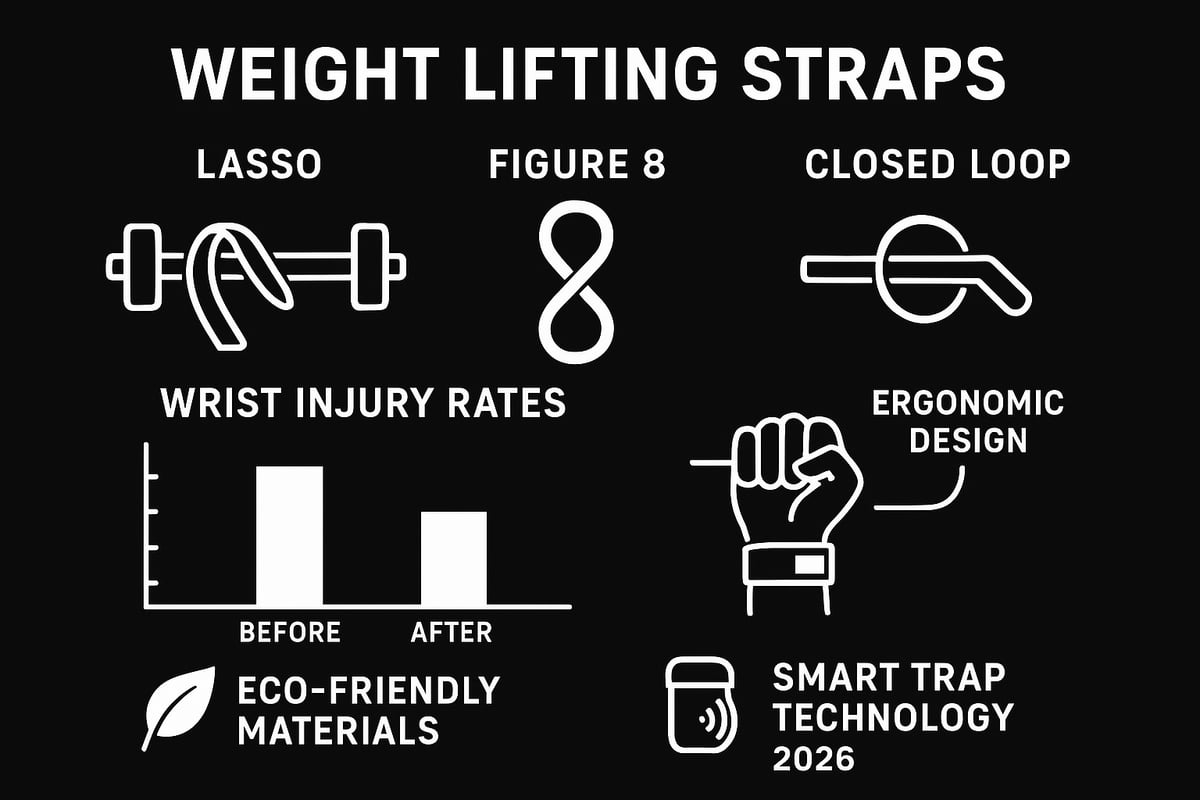
Weight lifting straps wrist accessories are simple yet effective tools made from sturdy materials like cotton, nylon, or leather. Their main job is to loop around your wrist and the bar, helping you hold heavier weights with a more secure grip.
Unlike wrist wraps, which stabilize the joint, lifting straps focus on boosting your grip strength while reducing hand fatigue. You’ll often find them in three main materials:
- Cotton: Comfortable and affordable
- Nylon: Durable and slightly stiffer
- Leather: Long-lasting and strong
Each material offers a unique feel, but all aim to make your weight lifting straps wrist experience safer and more effective.
Why Wrist Support Matters in Weight Lifting
Wrist injuries are surprisingly common in the gym, especially when performing heavy lifts. Strains, sprains, and even tendonitis can result from repeated stress on the wrist joint. Recent injury data points to a rise in wrist issues among lifters pushing their limits.
The biomechanics of lifting show that grip fatigue can cause your wrists to bend or twist, risking injury. Using weight lifting straps wrist support helps spread the load, keeping your wrists in a safer position and allowing you to lift more efficiently. For more details on the key benefits, check out this article on the Benefits of Good Wrist Straps.
Types of Weight Lifting Straps for Wrist Protection
There are several types of weight lifting straps wrist supporters, each with distinct pros and cons. Here’s a quick comparison:
| Strap Type | Pros | Cons | Example Uses |
|---|---|---|---|
| Lasso | Versatile, easy to use | May loosen on heavy sets | Deadlifts, rows |
| Figure 8 | Ultra-secure, fast setup | Less adjustable | Max deadlifts |
| Closed Loop | Simple, quick release | Limited adjustability | Pulls, shrugs |
In 2026, new hybrid designs are emerging, blending comfort and security for every weight lifting straps wrist need.
When to Use Lifting Straps for Wrist Safety
You don’t need weight lifting straps wrist support for every exercise, but certain movements benefit greatly. Deadlifts, heavy rows, and shrugs often challenge your grip, making straps a smart choice.
If you notice your grip failing before your target muscles tire, or if you experience wrist soreness, it’s time to consider straps. Just remember, balance is key. Use straps strategically to avoid neglecting your natural grip strength.
Common Myths and Misconceptions
Some believe weight lifting straps wrist aids make you weaker. In reality, straps are tools to help you focus on target muscles without worrying about grip failure.
Another misconception is confusing straps with wraps or gloves. Straps enhance grip, wraps stabilize joints, and gloves protect your hands. Real-world results show that using straps smartly helps prevent injury and boosts performance.
Latest Trends in Weight Lifting Strap Design (2026 Update)
Today’s weight lifting straps wrist options feature advanced materials and ergonomic designs for maximum comfort. Expect to see straps made from recycled fibers, antimicrobial coatings, and contoured padding that molds to your wrist.
Eco-friendly options are growing fast, reflecting a broader trend toward sustainable fitness gear. Recent user surveys show a preference for smart straps with built-in sensors to monitor tension and wrist position, helping athletes optimize every lift.
Step-by-Step Guide: How to Use Weight Lifting Straps for Wrist Support
Struggling with grip fatigue or worried about wrist strain during heavy lifts? Learning how to use weight lifting straps wrist support correctly can transform your training. This step-by-step guide will help you master strap setup, grip, and safety so you can train confidently and prevent injuries.
Preparing Your Straps and Wrists
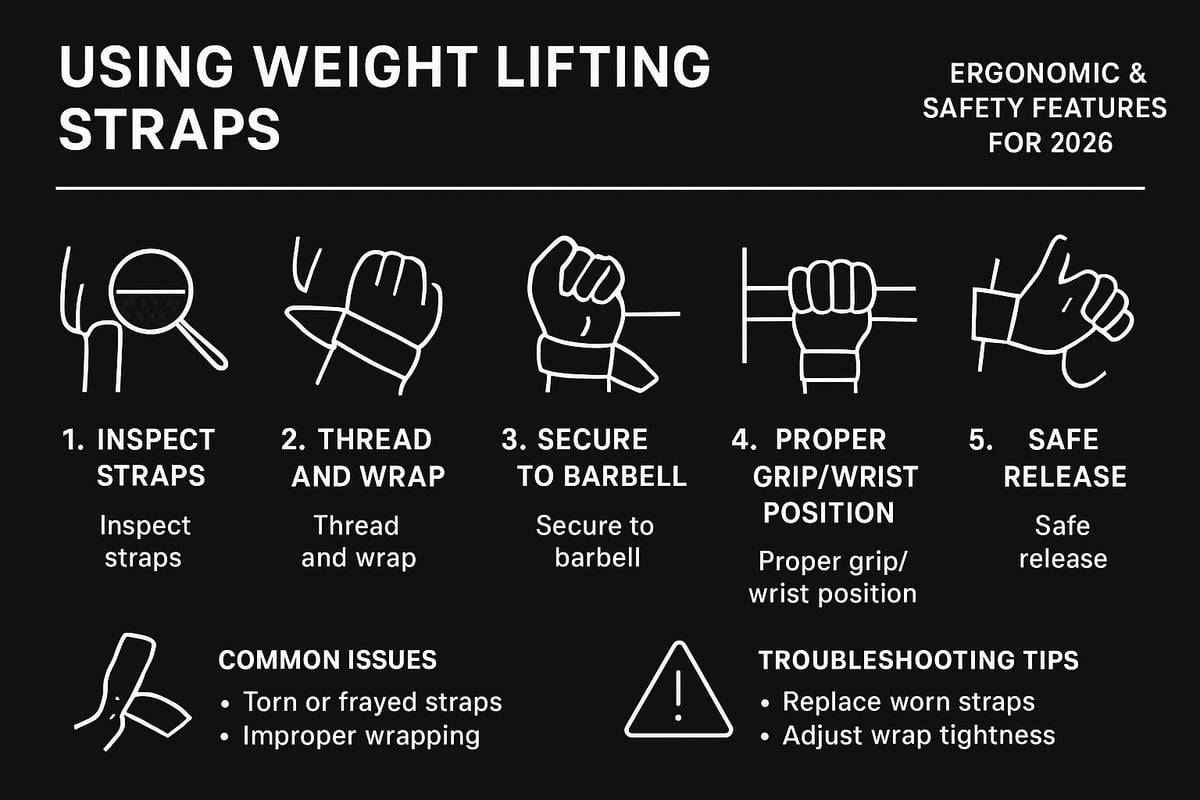
Before you even pick up the bar, preparation is key for effective weight lifting straps wrist support. Start by inspecting your straps for any fraying, tears, or weakened stitching. Damaged straps can compromise safety and should be replaced immediately.
Next, warm up your wrists and hands with dynamic stretches or light resistance exercises. This increases blood flow and reduces injury risk. Adjust your straps to fit your hand size, ensuring the loop is neither too tight nor too loose. Proper fit is crucial for both comfort and function.
A quick checklist:
- Check for wear and tear
- Perform wrist circles and stretches
- Adjust strap loop to your hand size
This routine helps you get the most from your weight lifting straps wrist setup every session.
Step 1: Threading and Wrapping the Strap
Threading and wrapping your weight lifting straps wrist correctly is essential for support and stability. For lasso straps, slide the end through the loop to form a circle, then slip your hand through, letting the strap rest flat against your wrist. For figure 8 straps, place your hand through both loops, securing the strap snugly around your wrist and the bar.
Ensure the strap sits just above your wrist bone and lies flat against your skin. Tension should be even, with no twists or bunching. A well-aligned strap distributes load, minimizing wrist stress during heavy lifts.
Visual cues for correct placement:
- Strap flat against wrist, no gaps
- Even tension along the length
- Loops positioned properly for your chosen strap type
Perfecting this step sets a solid foundation for safe and effective weight lifting straps wrist use.
Step 2: Securing the Strap to the Barbell
To secure your weight lifting straps wrist to the barbell, wrap the free end of the strap around the bar two to three times, depending on strap length. For lasso straps, wrap tightly and grip over the strap to lock it in. With figure 8 straps, loop each end around the bar and grip both the bar and strap together.
Choose the right wrapping technique for your barbell type—standard, Olympic, or specialty bars may require adjustments. Make sure the strap is tight enough to hold but not so tight that it cuts off circulation.
If you want more practical advice, check out these Deadlift Strap Usage Tips for maximizing grip security and minimizing mistakes.
A secure connection between your weight lifting straps wrist and the bar is essential for confidence and safety during lifts.
Step 3: Setting Your Grip and Wrist Position
Now, set your grip and wrist position to ensure both power and protection. Hold the bar with a neutral wrist—avoid bending too far forward or backward. Your thumb should wrap around the bar, not tucked under your fingers, for maximum control.
Check that the straps do not force your wrist into awkward angles. The weight lifting straps wrist should support your grip, not strain your tendons. Maintain a straight line from your forearm through your wrist for optimal biomechanics.
Proper grip and wrist position help you lift heavier without sacrificing joint health. This attention to detail makes a big difference in performance and longevity.
Step 4: Executing the Lift Safely
As you begin the lift, synchronize your grip and movement. Focus on keeping tension in the weight lifting straps wrist throughout the rep. If you feel the strap loosening, pause and readjust before continuing.
Monitor wrist comfort during the set—there should be support without pinching or discomfort. Adjust the strap mid-set if needed, especially if you notice any shifting.
Safe execution is not just about lifting more weight but protecting your joints. Using weight lifting straps wrist properly ensures you stay strong and injury-free over time.
Step 5: Releasing and Removing the Straps
After finishing your set, release the weight lifting straps wrist safely. Loosen your grip and unwind the strap from the barbell. For quick release, slide your hand out of the loop or pull the end free, depending on your strap type.
Avoid yanking the strap or twisting your wrist, as this can cause strain. Once removed, inspect the strap for any new signs of wear and wipe it down if sweaty.
Store your weight lifting straps wrist in a dry, ventilated space to prevent odor and bacteria buildup. Proper removal and care extend the lifespan of your gear and keep you ready for your next session.
Troubleshooting Common Issues
Even with proper technique, issues with weight lifting straps wrist support can arise. If your straps slip or loosen during a lift, check for worn material or improper wrapping. Rewrap the strap, ensuring even tension and flat alignment.
For discomfort or pinching, adjust the position so the strap sits just above the wrist bone, not on sensitive areas. If straps are causing marks or irritation, consider a padded model.
Replace old or damaged weight lifting straps wrist promptly to maintain support and safety. Regular maintenance helps you avoid setbacks and keeps your lifting routine on track.
Choosing the Right Weight Lifting Straps for Your Wrist Needs
Selecting the right weight lifting straps wrist can transform your lifting experience, from comfort and safety to improved performance. With so many options available in 2026, knowing what to look for and how to care for your straps is essential for wrist health and training results.
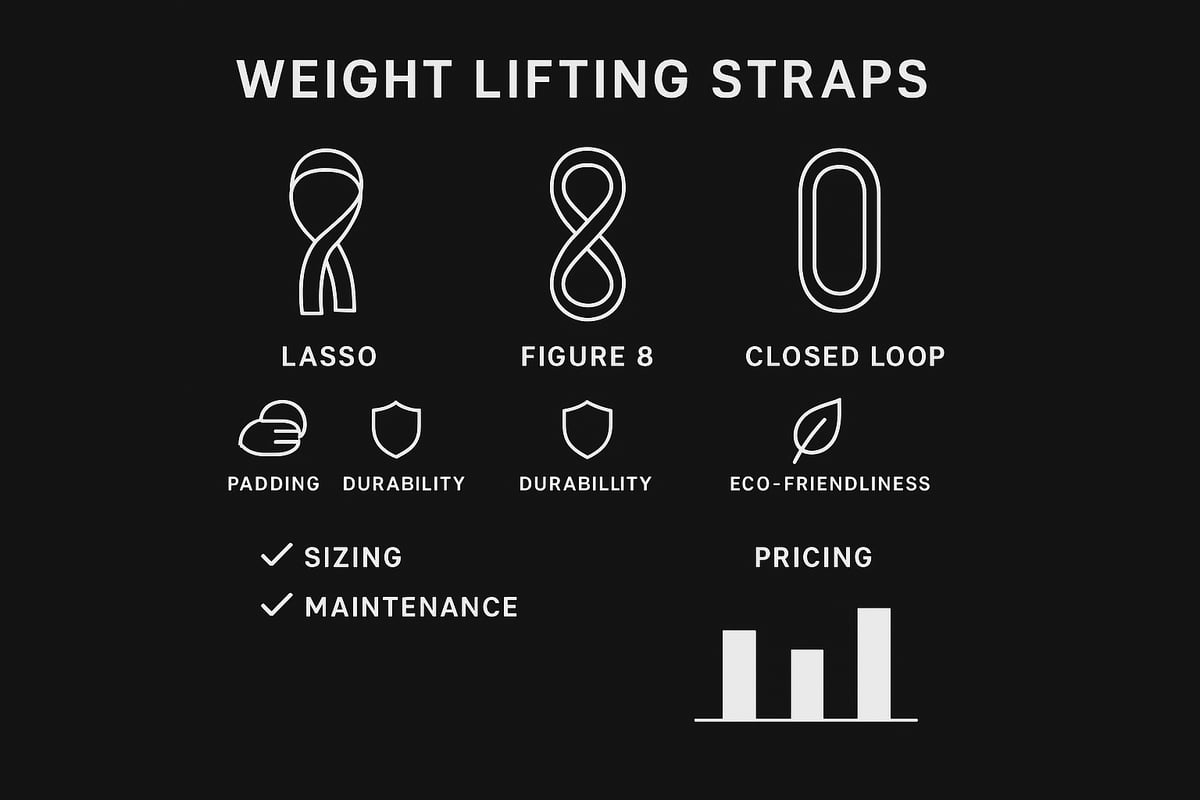
Key Features to Look For
When evaluating weight lifting straps wrist, focus on features that directly impact wrist comfort and support. Look for padding around the wrist area to reduce pressure during heavy lifts. The width and length of the strap should match your hand size and the types of lifts you perform.
Materials matter, too. Cotton is soft and affordable, nylon offers extra durability, and leather provides premium support. Sweat resistance ensures longevity and hygiene. For a comprehensive look at available types and features, explore this Lifting Straps Collection Overview.
Always check user reviews and expert opinions before making your choice. Brands in 2026 are innovating with ergonomic designs and eco-friendly materials, so prioritize what aligns with your needs.
Matching Strap Type to Your Training Goals
Your training style should guide your choice of weight lifting straps wrist. Powerlifters often favor figure 8 straps for maximum bar security during deadlifts. Bodybuilders might opt for lasso straps, which offer flexibility for various movements like rows or shrugs.
General fitness enthusiasts may prefer closed loop designs for ease of use. Consider your most frequent lifts and select straps known to excel in those exercises. Athletes in 2026 often mix and match styles to suit specific workout phases, maximizing both performance and wrist protection.
If you’re unsure, consult with trainers or experienced lifters to identify which strap type best matches your goals and wrist support needs.
Sizing and Fit for Optimal Wrist Support
Proper fit is crucial when choosing weight lifting straps wrist. Measure your wrist and hand circumference to find the right strap length and width. Ill-fitting straps can compromise support, leading to discomfort or reduced grip efficiency.
Many brands now offer adjustable and custom-sized options, catering to different wrist sizes and preferences. Gender and age may also influence fit, so don’t hesitate to try various models before settling on one.
A snug, but not overly tight, fit ensures the strap stays secure without cutting off circulation. Take time to adjust your straps before each session for consistent wrist protection.
Price vs. Quality: Finding the Best Value
The price of weight lifting straps wrist can range from budget-friendly basics to premium models with advanced features. While cost is a factor, prioritize quality and durability for long-term safety.
Premium straps often come with warranties and use high-grade materials, which can pay off in the long run. Budget options may save money upfront but might not withstand frequent, heavy use.
User surveys in 2026 show that most lifters are willing to invest a bit more for comfort and reliability. Always consider the balance between price, quality, and the specific wrist support features you need.
Maintenance and Hygiene Tips
Keeping your weight lifting straps wrist clean extends their lifespan and protects your skin. Wash cotton and nylon straps regularly according to manufacturer instructions. Leather straps may require special cleaning products to maintain flexibility and prevent cracking.
Store straps in a dry, well-ventilated area to avoid odor and bacterial buildup. Replace your straps at the first sign of excessive wear, fraying, or loss of support. Making maintenance a habit ensures both safety and performance every time you lift.
Maximizing Performance and Wrist Safety with Lifting Straps: Expert Tips
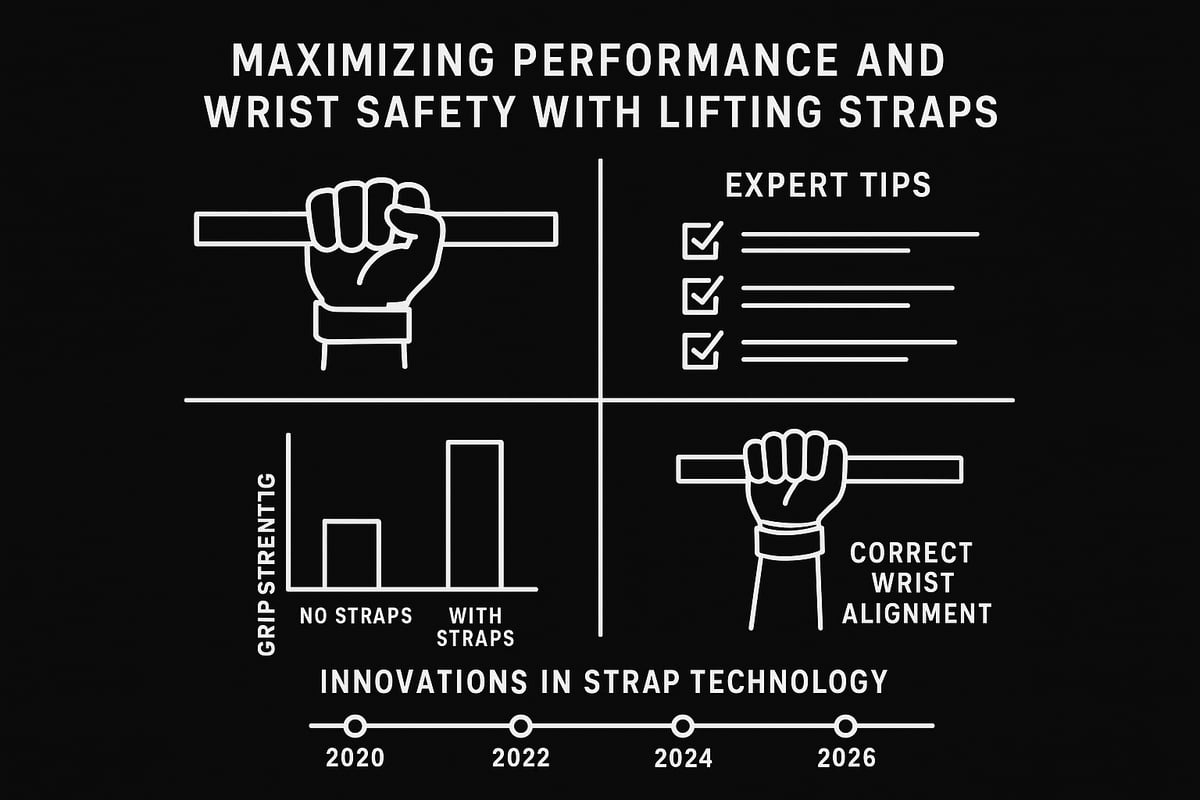
Maximizing your performance and protecting your wrists go hand in hand when using weight lifting straps wrist support. Let’s explore expert strategies to help you get the most from your straps while keeping your wrists injury free in 2026.
Integrating Straps into Your Training Routine
Using weight lifting straps wrist support can be a game changer if you know when and how to use them. Straps are best reserved for lifts where grip usually gives out before your target muscles, such as heavy deadlifts or high-rep rows.
A balanced approach means alternating between raw grip and straps. For instance, start your session without straps, then add them for your heaviest sets. According to this study on lat pull-down performance, straps can help you maintain form and muscle activation during high-intensity sets.
Sample split:
- Raw grip: warm-up and moderate sets
- Straps: top sets and volume work
This method keeps grip strength sharp while maximizing the benefits of weight lifting straps wrist support.
Preventing Over-Reliance on Straps
While weight lifting straps wrist support is valuable, relying on them too often can weaken your natural grip. Experts recommend using straps only when truly needed.
To maintain grip strength, add exercises like farmer’s walks, plate pinches, and towel pull-ups to your routine. These movements challenge your hands and forearms, balancing out the support you get from straps.
Try “strap cycling.” Rotate weeks where you use straps for most sets with weeks where you limit their use. This approach ensures weight lifting straps wrist support does not become a crutch.
Advanced Techniques for Enhanced Wrist Protection
Elite lifters often use advanced weight lifting straps wrist techniques for extra wrist safety. Double-wrapping the strap or using a cross-over method reduces movement and distributes pressure evenly.
Combining straps with wrist wraps offers additional support for max effort lifts. For example, during heavy deadlifts, this combo can protect against hyperextension or strain. Recent research on deadlift kinematics and exertion shows that proper strap use can improve completion time and reduce perceived exertion, supporting both performance and safety.
Experiment with different setups and find what offers the best weight lifting straps wrist protection for your lifts.
Common Mistakes and How to Avoid Them
Many lifters make mistakes when using weight lifting straps wrist support. Over-tightening straps can restrict blood flow and cause numbness. Using straps on lifts where grip should be trained, like pull-ups or kettlebell swings, can slow grip development.
Watch for these common pitfalls:
- Too much tension causing discomfort
- Straps slipping due to improper wrapping
- Ignoring wrist fatigue signals
Check your technique often, and never ignore early signs of wrist strain. Proper use of weight lifting straps wrist support will keep you safe and strong.
Monitoring Wrist Health and Progress
Tracking your wrist health is crucial when using weight lifting straps wrist support. Pay attention to pain, swelling, or reduced range of motion. Modern wearable tech can monitor wrist load and recovery, giving you real-time feedback for safer training.
If you notice persistent discomfort, consult a physical therapist or sports medicine professional. Keep a training log to spot patterns or issues early. With the right approach, weight lifting straps wrist support can improve both your performance and wrist health over time.
Innovations in Lifting Strap Technology (2026 Insights)
Weight lifting straps wrist support has evolved rapidly. In 2026, smart straps with built-in sensors track grip force and wrist angle, offering instant feedback. Eco-friendly and antimicrobial materials help reduce odor and bacteria, while ergonomic designs enhance comfort.
User feedback highlights brands that offer adjustable padding and custom sizing. These innovations make weight lifting straps wrist support more effective and accessible than ever before.
Frequently Asked Questions About Weight Lifting Straps and Wrist Support
Got questions about weight lifting straps wrist safety and performance? Here are the most common ones, with clear, concise answers to help you lift smarter in 2026.
Are Weight Lifting Straps Safe for Everyone?
Weight lifting straps wrist support can benefit most lifters, but not everyone will have the same experience. Age, training experience, and wrist health all play a role.
Young athletes, beginners, and those with medical issues like arthritis or joint instability should consult a professional before adding straps. Some people may need alternatives, such as wrist wraps, if their injury risk is high.
- For youth and seniors, proper sizing and supervision are crucial.
- If you have previous wrist injuries, always get a doctor’s clearance.
- Listen to your body and stop if you feel pain or numbness.
For most healthy adults, weight lifting straps wrist support is safe when used with proper technique.
How Often Should You Replace Your Lifting Straps?
Knowing when to replace weight lifting straps wrist support is key for safety. Over time, straps stretch, fray, or lose grip, which can compromise your workout.
Look for these signs:
- Visible tears or fraying
- Loosened stitching
- Reduced grip or slipping during lifts
Most manufacturers recommend replacing straps every 6 to 12 months, depending on use. Heavy lifters may need new ones sooner. According to user surveys, about 60% of gym-goers replace their weight lifting straps wrist support each year to maintain maximum protection.
Can Straps Be Used for All Types of Lifting?
Not every lift calls for weight lifting straps wrist support. Straps shine when grip is the limiting factor, such as with deadlifts, heavy rows, or shrugs.
However, avoid straps for Olympic lifts like snatches and cleans, where wrist mobility and bar control matter most. Powerlifters often use them for accessory work, but not for competition.
- Use straps for pulling movements and high-rep sets.
- Avoid them for pressing or dynamic lifts.
- If in doubt, ask your coach or trainer for guidance.
Balancing strap use with raw grip training helps protect your weight lifting straps wrist health and performance.
Do Lifting Straps Really Prevent Wrist Injuries?
Weight lifting straps wrist support can significantly reduce grip fatigue and lower the risk of overuse injuries. By shifting some tension off your hands and wrists, straps help maintain safe form during heavy sets.
Research supports their benefits. For example, studies on lifting straps’ effect on deadlift performance in females show improved grip endurance and reduced wrist strain. Still, straps are not a cure-all. They cannot prevent all injuries, especially if form is poor or if you ignore pain.
- Use straps as a tool, not a crutch.
- Combine with mobility and strength work for best results.
- Monitor your weight lifting straps wrist health regularly.
What’s the Difference Between Straps, Wraps, and Gloves?
Understanding the differences between weight lifting straps wrist accessories is essential for making the right choice. Here’s a quick comparison:
| Accessory | Purpose | Wrist Support | Grip Help | Common Use Cases |
|---|---|---|---|---|
| Straps | Enhance grip | Moderate | High | Deadlifts, rows, heavy pulls |
| Wraps | Stabilize wrist | High | Low | Presses, overhead lifts |
| Gloves | Protect hands | Low | Moderate | General fitness, callus prevention |
Straps, wraps, and gloves each offer unique benefits. For a deeper look at supportive gear like belts, read our Best Weightlifting Belts Guide.
Now that you know how weight lifting straps can make a real difference for your grip and wrist safety in 2026, why not put this knowledge into action? At Katamu, we get what the average gymgoer needs—gear that not only looks good but also lasts through years of tough workouts. Whether you're chasing new PRs or just want a little extra support on heavy pulls, the right straps can help you train smarter and safer. Ready to take your training up a notch? Level up your lifts and feel the difference for yourself.
