 30-Day Money Back Guarantee

Olympic weightlifting demands explosive power, precise technique, and unwavering joint stability. Whether you're performing the clean and jerk or the snatch, your wrists bear tremendous force during the catch phase and overhead positions. Olympic lifting wrist wraps have become essential equipment for athletes seeking to protect their wrists while maximizing performance. These specialized accessories provide the support needed to handle heavy loads safely, allowing lifters to focus on technique rather than worrying about wrist discomfort or injury. Understanding how to select and use wrist wraps properly can make the difference between achieving new personal records and dealing with nagging wrist pain that sidelines your training.
Understanding Olympic Lifting Wrist Wraps
Olympic lifting wrist wraps differ significantly from powerlifting wraps in both design and function. The unique demands of Olympic weightlifting require equipment that balances support with mobility, allowing athletes to maintain the flexibility needed for dynamic movements while still protecting vulnerable wrist joints.
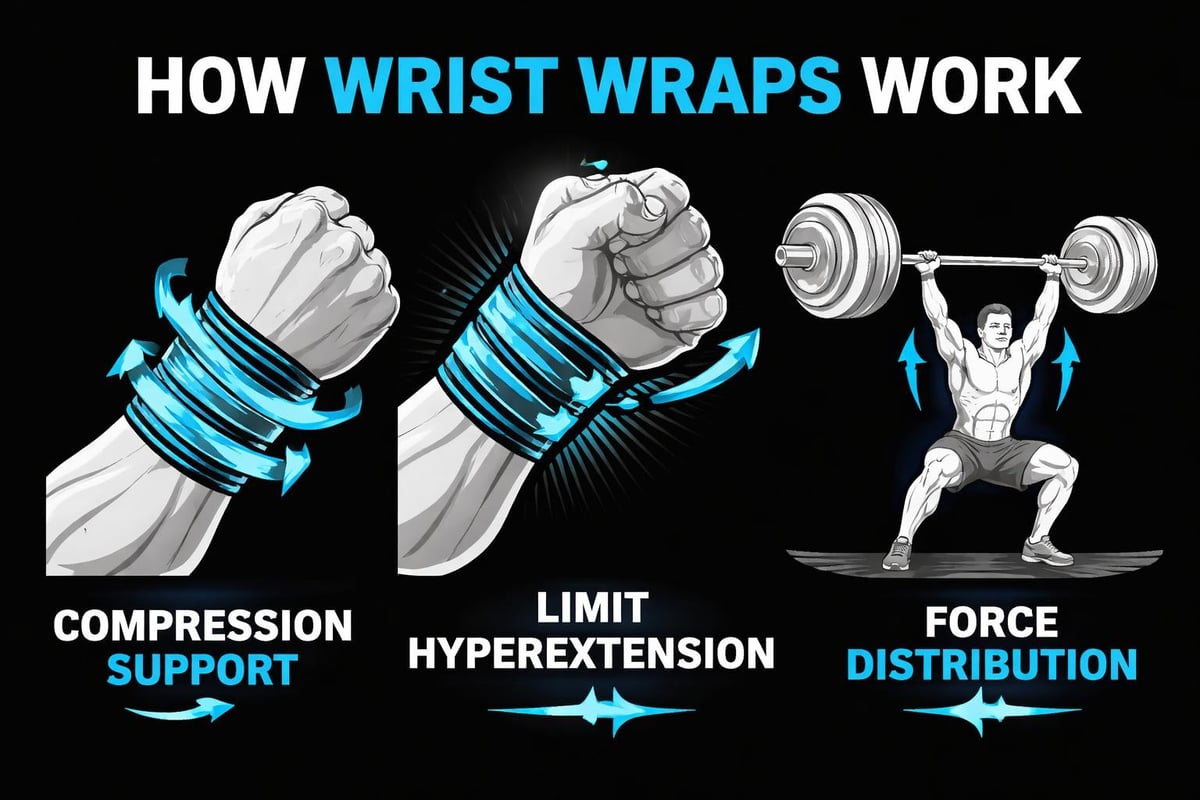
These wraps work by compressing the wrist joint and limiting extreme ranges of motion during lifts. When you catch a clean or lock out a snatch overhead, wrist wraps provide support and stability that helps distribute forces more evenly across the joint. This mechanical advantage reduces stress on ligaments and tendons, particularly during the explosive transition phases that characterize Olympic lifts.
Key Benefits for Performance
The performance advantages of olympic lifting wrist wraps extend beyond simple injury prevention:
- Enhanced proprioception - Improved awareness of wrist position during complex movements
- Increased confidence - Mental assurance when handling near-maximal loads
- Reduced fatigue - Less muscular work required to stabilize the wrist joint
- Better technique - Ability to maintain proper wrist alignment throughout the lift
- Faster recovery - Decreased strain allows for more frequent training sessions
Research shows that proper wrist support can improve lifting performance by allowing athletes to focus on generating power rather than managing joint stability. This becomes particularly important during high-volume training blocks where cumulative stress on the wrists can lead to overuse injuries.
Choosing the Right Wrist Wraps for Olympic Lifting
Selecting appropriate olympic lifting wrist wraps requires understanding several critical factors that differentiate Olympic lifting equipment from other strength sports accessories. The wrong choice can actually hinder performance or provide inadequate protection.
Length Considerations
| Wrap Length | Best For | Flexibility | Support Level |
|---|---|---|---|
| 12-16 inches | Technique work, lighter loads | High | Moderate |
| 18-20 inches | All-around training | Medium | Good |
| 24+ inches | Heavy singles, max attempts | Lower | Maximum |
Most Olympic lifters find that 18-20 inch wraps provide the ideal balance. This length offers sufficient support for heavy training without restricting the wrist mobility needed for proper positioning in the snatch and clean. Powerlifters typically use longer wraps, but Olympic weightlifting demands greater range of motion, making moderate-length wraps more practical.
Material and Construction
The fabric composition directly impacts both durability and performance. High-quality olympic lifting wrist wraps feature a cotton-elastic blend that provides consistent compression without losing elasticity over time. Cheaper synthetic materials may feel supportive initially but often stretch out after several months of regular use.
Thumb loops serve as anchors during the wrapping process and help maintain proper placement. Quality wraps include reinforced stitching around thumb loops to prevent tearing, which represents the most common failure point in budget options.
Hook and loop closures must maintain grip strength through hundreds of training sessions. Understanding how to use wrist wraps properly includes checking closure integrity regularly and replacing wraps when the Velcro begins to degrade.
Stiffness vs Flexibility
Olympic lifting requires more wrist flexibility than powerlifting, making wrap stiffness a crucial consideration:
- Soft wraps allow maximum mobility but provide less support during heavy catches
- Medium-stiff wraps balance support and flexibility for most training scenarios
- Competition-grade wraps offer maximum rigidity for absolute strength attempts
The average gym-goer typically benefits most from medium-stiffness wraps that accommodate both technique work and heavy training days. Athletes at KatamuCo can find premium quality options designed to last years while providing consistent support across various training intensities.
Proper Wrapping Techniques for Olympic Lifts
Mastering wrapping technique transforms wrist wraps from simple accessories into precision support tools. The way you wrap your wrists directly affects both the level of support provided and your ability to maintain proper positions during lifts.
The Basic Olympic Wrap Method
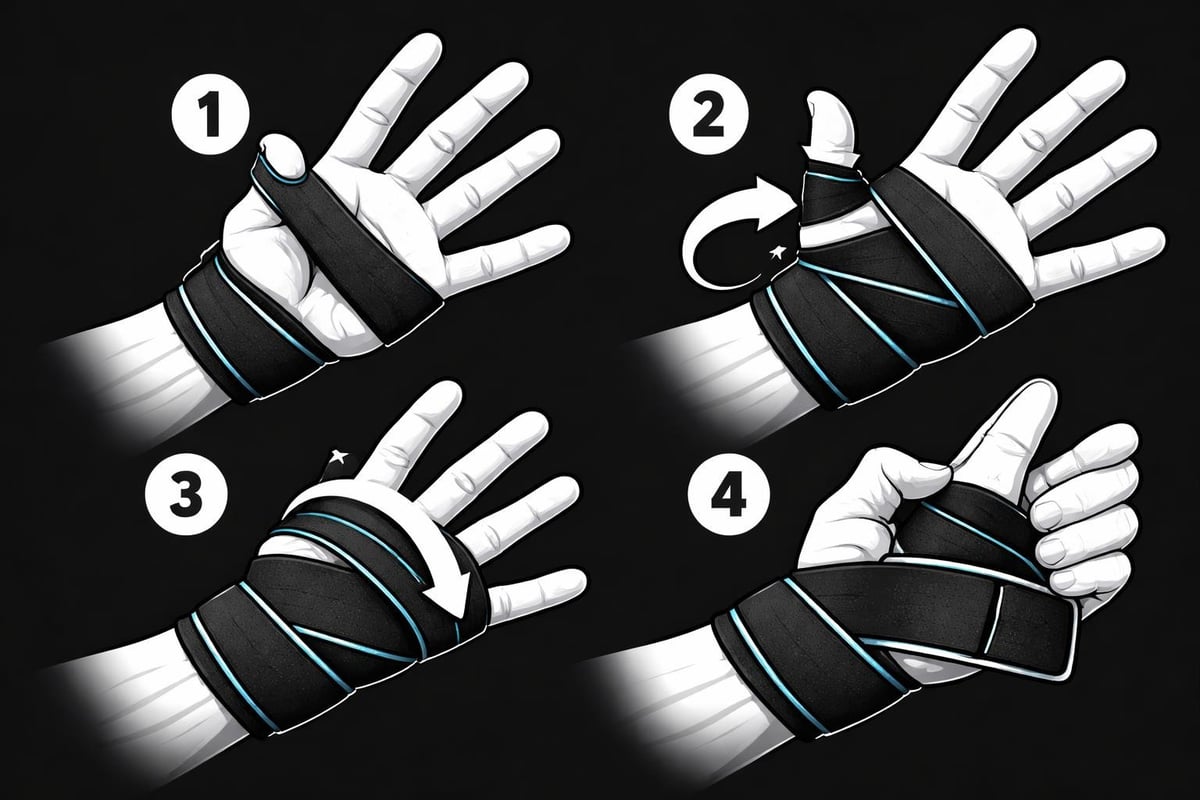
Start with the thumb loop secured around your thumb, positioning the wrap just above your wrist joint. Wrap diagonally across the back of your hand toward your pinky finger, then continue around the wrist in overlapping circles. Each pass should cover approximately half of the previous wrap, creating even compression without gaps.
The critical difference between Olympic lifting and powerlifting wraps lies in the final placement. Olympic lifters should finish wrapping slightly higher on the forearm, keeping the wrist joint itself relatively free to achieve the extreme extension required during the catch phase of cleans.
Advanced Wrapping Variations
The Figure-8 Method incorporates crosses over the back of the hand for additional support during overhead movements. This technique works particularly well for the jerk and snatch, where wrist stability during the lockout phase becomes paramount.
The Competition Wrap focuses maximum material around the wrist joint itself for absolute support during max attempts. This method sacrifices some mobility but provides unmatched stability when attempting personal records.
Common Wrapping Mistakes
Many lifters unknowingly reduce wrap effectiveness through poor technique:
- Wrapping too loosely, which provides inadequate support
- Covering the entire hand, restricting necessary grip adjustments
- Positioning wraps too low, failing to support the wrist joint properly
- Over-tightening, which cuts off circulation and causes numbness
- Leaving gaps between wraps, creating pressure points
Proper tension should feel snug but not restrictive. You should maintain full finger mobility and normal blood flow while experiencing noticeable wrist support. The benefits of using wrist wraps in Olympic weightlifting become apparent only when application technique matches individual needs and lift requirements.
When to Use Olympic Lifting Wrist Wraps
Strategic wrap usage maximizes their benefits while preventing dependence that could weaken natural wrist stability over time. Understanding appropriate timing helps athletes develop both supported strength and natural joint resilience.
Training Scenarios Requiring Wraps
Olympic lifting wrist wraps become particularly valuable during specific training contexts:
- Heavy singles above 85% of one-rep max - Maximum loads demand maximum support
- High-volume training blocks - Repeated stress requires additional joint protection
- Working on new personal records - Mental confidence aids technical execution
- Training through minor wrist discomfort - Support allows continued training while healing
- Competition preparation - Simulating meet conditions during training
Technical work at lighter intensities typically doesn't require wraps. Developing wrist strength and stability naturally during warmups and technique sessions builds long-term joint resilience. Reserve wraps for working sets where loads challenge your current capabilities.
Building Natural Wrist Strength
Balance wrapped training with dedicated wrist strengthening exercises. Wrist curls, reverse curls, and farmer's walks develop the muscular support that complements wrap usage. This combination approach creates both strong natural wrist stability and the ability to handle extreme loads with additional support.
Many successful Olympic lifters follow the 70-30 rule: performing roughly 70% of their training volume without wraps to build natural strength, while using wraps for the remaining 30% of heaviest, most demanding work. This strategy prevents over-reliance while still providing protection when truly needed.
Maintenance and Longevity
Premium quality olympic lifting wrist wraps represent an investment in training longevity and performance. Proper care extends their lifespan while maintaining consistent support characteristics that athletes depend on.
Cleaning and Storage Best Practices
Hand washing in cold water preserves elastic fibers better than machine washing. Use mild detergent and avoid harsh chemicals that can degrade the cotton-elastic blend. Never use fabric softener, which coats fibers and reduces grip on the hook and loop closure.
Air drying prevents heat damage that causes premature elastic breakdown. Lay wraps flat or hang them to dry naturally rather than using a dryer, which can shrink the fabric and weaken the material structure.
Store wraps rolled loosely in a cool, dry location. Avoid keeping them in gym bags where moisture and bacteria accumulate. This simple habit prevents the musty odors that plague poorly maintained training gear.
Signs It's Time for Replacement
| Indicator | Meaning | Action |
|---|---|---|
| Visible fraying | Structural breakdown beginning | Monitor closely, replace soon |
| Elastic stretch-out | Lost compression effectiveness | Replace immediately |
| Velcro degradation | Won't stay secured during lifts | Replace or repair closure |
| Permanent odor | Deep bacterial contamination | Replace for hygiene |
| Uneven support | Inconsistent compression zones | Replace for safety |
Quality wraps from premium brands typically last 12-24 months with regular use, though this varies based on training frequency and care practices. Athletes training six days weekly might need annual replacement, while recreational lifters could extend wrap life beyond two years with proper maintenance.
Wrist Wraps vs Other Support Equipment
Understanding how olympic lifting wrist wraps compare to alternative support options helps athletes make informed equipment decisions based on their specific training needs and goals.
Wrist Wraps vs Lifting Straps
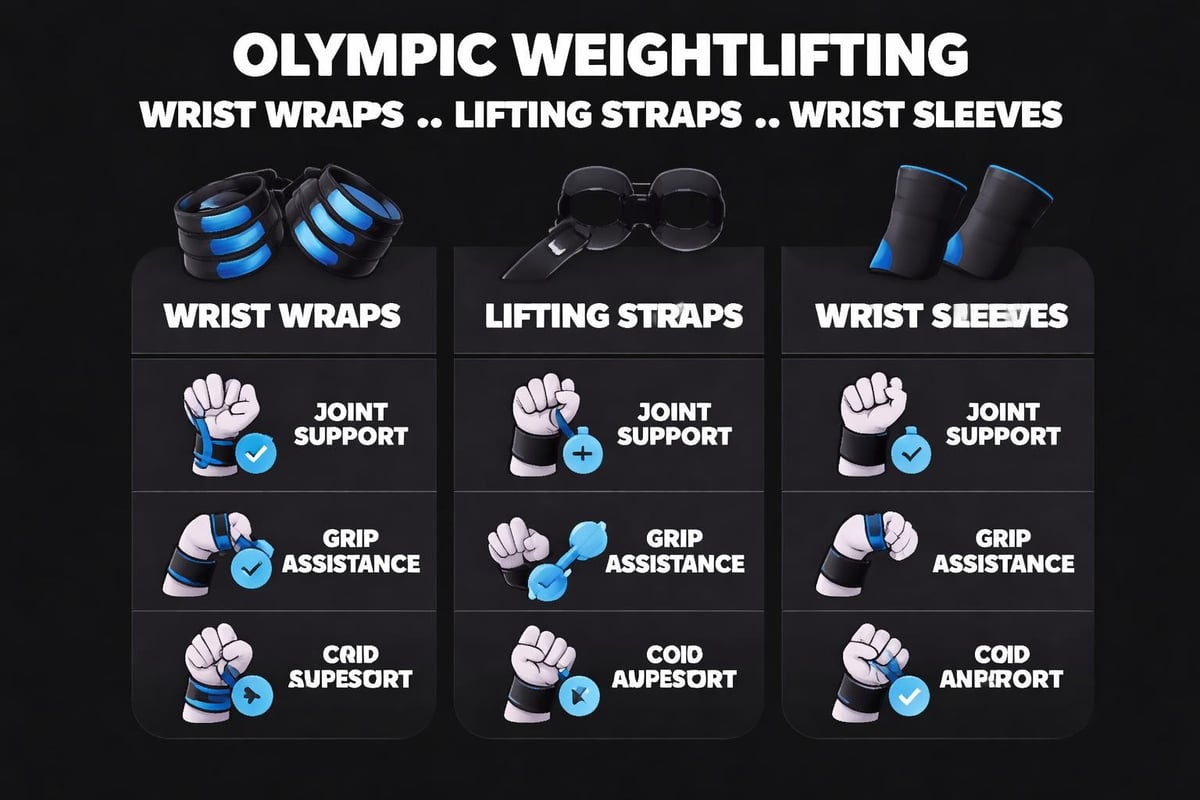
These accessories serve completely different purposes and aren't interchangeable. Wrist wraps and lifting straps differ in both function and application. Lifting straps attach to the barbell to assist grip during pulling movements, while wrist wraps stabilize the wrist joint during all types of lifts.
Olympic lifters frequently use both accessories during different exercises within the same training session. Straps assist during heavy pulls and deadlifts where grip becomes the limiting factor, while wraps provide wrist support during cleans, jerks, and snatches where joint stability matters most.
Wrist Wraps vs Wrist Sleeves
Neoprene sleeves provide compression and warmth but offer minimal structural support compared to olympic lifting wrist wraps. Sleeves work well for general training and warmups, promoting blood flow and maintaining joint temperature. However, they lack the rigid support necessary for handling maximum loads in Olympic lifts.
Some lifters use sleeves during warmup sets before switching to wraps for working sets. This approach maintains joint warmth throughout the session while providing graduated support that matches increasing training intensity.
Competition Regulations
Different federations maintain specific rules regarding wrist wrap specifications. The USA Weightlifting Association rulebook establishes equipment standards for sanctioned competitions, including maximum wrap lengths and acceptable materials.
Athletes planning to compete should verify federation requirements well before competition day. Most organizations permit basic wrist wraps but may restrict length, material composition, or specific brands. Training with competition-legal equipment eliminates surprises and ensures consistent support between training and meet day.
Maximizing Performance with Wrist Support
Integrating olympic lifting wrist wraps effectively into your training program requires more than simply purchasing quality equipment. Strategic implementation optimizes the performance benefits while supporting long-term wrist health and strength development.
Progressive Loading Strategies
Periodized wrap usage aligns support with training intensity throughout mesocycles. During accumulation phases focused on volume and technique, minimize wrap usage to build natural wrist resilience. Transition to consistent wrap use during intensification phases when loads approach maximum capabilities.
This periodized approach develops both supported and unsupported strength, creating adaptable wrists that can handle training stresses with or without additional equipment. Athletes following this strategy often report fewer chronic wrist issues and better long-term joint health.
Addressing Wrist Pain and Recovery
Wrist wraps can help reduce pain and support recovery when used appropriately alongside proper rehabilitation protocols. If you're experiencing acute wrist pain, wraps provide temporary support that allows modified training while the joint heals. However, wraps aren't a substitute for addressing underlying issues through proper rest, physical therapy, or medical intervention when necessary.
Working with qualified coaches and sports medicine professionals ensures that wrap usage complements recovery rather than masking serious injuries. The goal should always be returning to full function, not permanent dependence on supportive equipment.
Combining Wraps with Other Accessories
Modern Olympic lifters often use multiple support accessories strategically. Knee sleeves protect against patellar stress during heavy squats, while quality lifting gear like lever belts provides crucial core support during maximum attempts. Understanding how different accessories work together creates a comprehensive support system that enhances performance across all lifts.
Wrist wraps specifically complement lifting belts during the jerk, where both core and wrist stability become critical for successful lockout. The combined support allows athletes to focus entirely on technical execution and power generation rather than joint stabilization.
Selecting Premium Quality Wrist Wraps
The market offers countless wrist wrap options at varying price points and quality levels. Distinguishing premium products from budget alternatives ensures your investment delivers lasting performance and protection.
Quality Indicators to Evaluate
Material density directly correlates with support consistency. Premium olympic lifting wrist wraps use tightly woven cotton-elastic blends that maintain compression characteristics through extended use. Lower quality wraps often feel similar when new but lose elasticity within weeks of regular training.
Stitching quality determines structural integrity under repeated stress. Examine seam construction, particularly around thumb loops and closure points where failure typically occurs. Reinforced stitching with durable thread indicates attention to construction quality that extends product lifespan.
Brand reputation matters in the lifting equipment industry. Companies specializing in strength sports gear typically produce superior products compared to general fitness brands. Reading reviews from experienced lifters provides insight into real-world performance beyond marketing claims.
Value vs Cost Considerations
Premium wrist wraps typically cost between thirty and fifty dollars per pair. While budget options exist at lower price points, the actual cost-per-use calculation often favors quality products. Wraps lasting two years through regular training provide better value than cheap alternatives requiring replacement every few months.
Consider total investment over time rather than just initial purchase price. Quality wraps from established lifting gear companies deliver consistent performance that justifies the modest price premium. For serious athletes, this represents money well spent on equipment directly supporting training progress and injury prevention.
At KatamuCo's gear specifications page, you'll find detailed information about premium quality standards that apply across their entire product line, including wrist wraps designed for serious lifters who demand both performance and longevity from their training accessories.
Olympic lifting wrist wraps provide essential support that helps athletes train harder, lift heavier, and reduce injury risk throughout their weightlifting journey. By selecting appropriate wraps, mastering proper application techniques, and using them strategically within your training program, you'll maximize both immediate performance and long-term wrist health. When you're ready to invest in premium lifting gear that combines quality construction with designs that stand out in the gym, explore the complete selection at KatamuCo, where every product is built to support your strength goals for years to come.
