 30-Day Money Back Guarantee

The bar does not care what your gear looks like. It cares whether you can stay braced, keep your wrists stacked, and hold position when the set gets ugly. The right lifting accessories are not gym-bag decoration. They are tools for training harder with more control, protecting the positions that matter, and showing up ready for the next session.
That does not mean wearing every piece of gear for every warm-up set. Serious lifters know the difference between support and dependence. Build your setup around the movements, loads, and weak points that actually show up in your training.
Lifting Accessories Start With Your Training
Accessories should solve a clear problem. A belt can give your torso something to brace against on heavy squats and pulls. Straps can keep grip from ending a back session before your lats have been challenged. Wrist wraps can make pressing feel more stable when heavy loads expose a weak wrist position.
The keyword is intentional. If a piece of equipment makes you more deliberate under load, it has a place. If you only wear it because everyone else is wearing it, it is probably taking up space.
Start by looking at your program. Powerlifters often need a reliable belt, knee sleeves, and wrist wraps because the squat, bench, and deadlift demand repeatable setup under serious weight. Bodybuilders may get more use from straps, sleeves, and compression apparel that stays locked in through higher-volume training. General strength athletes usually benefit from a tight, focused setup instead of buying an entire wall of gear at once.
Your experience level matters too. Beginners do not need to earn their first pull-up wearing a belt and straps. Learn to grip the bar, brace your trunk, and control basic movement patterns first. But once training is consistent and loads are climbing, quality equipment can help you keep progressing without letting comfort, setup, or minor irritation become the limiting factor.
The Core Gear Worth Building Around
A strong gym bag is built with purpose. These are the lifting accessories that matter most for committed training.
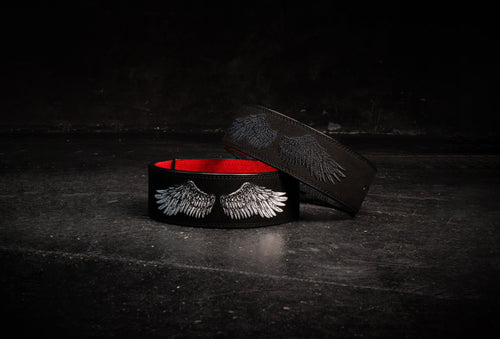
- Lever belt: Best for lifters who want a firm, repeatable brace on heavy squats, deadlifts, rows, and presses. A lever closure gives you a fast, consistent fit between sets. The trade-off is that belts are less forgiving if your bodyweight fluctuates or if you prefer frequent, small adjustments.
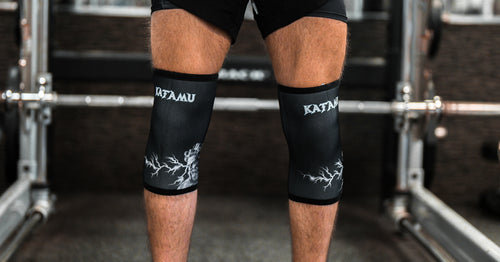
- Knee sleeves: Built for warmth, compression, and a more secure feeling around the knee during squatting, leg pressing, and lunging. They should feel supportive, not like they are cutting off circulation or forcing your technique into a different pattern.
- Wrist wraps: Useful when pressing volume gets high or when heavy bench, overhead press, and front-rack work challenge your ability to keep a neutral wrist. Wraps support the wrist joint, but they cannot fix a bar path that is out of position.
- Lifting straps: A direct answer to grip becoming the bottleneck on deadlifts, Romanian deadlifts, rows, shrugs, and pull-focused work. Use them when the goal is to load the target muscle, not when you are avoiding grip training altogether.
- Compression apparel: A fitted compression shirt or training layer stays close, moves cleanly, and eliminates the distraction of loose fabric during hard sessions. It is also part of the uniform. Training gear should perform, but it should also look like it belongs under the lights, not buried at the bottom of a discount bin.
Belts: Build Pressure, Not a Costume
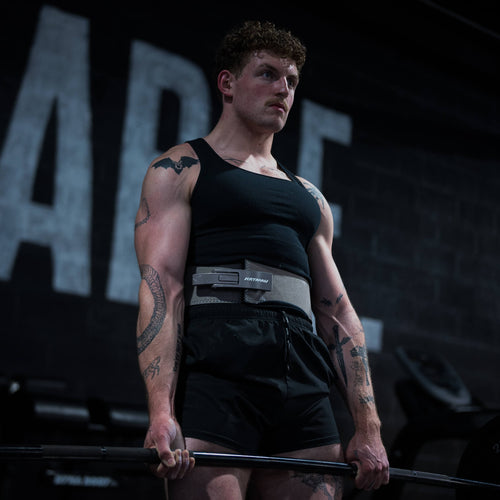
A lifting belt is often misunderstood. It does not hold your spine in place, and it does not replace a strong trunk. Its job is to provide a firm surface for your torso to brace against. When you take a deep breath and expand into the belt, you create more pressure through your midsection and a more stable base for heavy work.
Wear it when the demand justifies it. That could mean top squat sets, heavy deadlifts, demanding rows, or overhead work where staying rigid matters. You do not need it for every cable curl, machine warm-up, or light technique set.
Fit matters more than hype. A belt that shifts, pinches aggressively, or leaves no room to brace will become a distraction. A lever belt is a strong option for lifters who want their preferred tightness every time. Set it correctly, learn how to breathe and brace into it, then let the work speak.
Sleeves and Wraps: Support the Position You Own
Knee sleeves and wrist wraps are at their best when they reinforce sound positions. Sleeves can help knees feel warm and prepared during long lower-body sessions, especially in colder gyms or during repeated squat work. Wrist wraps can reduce the feeling of the wrist folding back under a heavy bar.
Neither should become an excuse to ignore pain. Sharp pain, swelling, instability, or symptoms that keep returning deserve attention beyond a tighter wrap. Back off when needed, clean up technique, and get qualified medical guidance for injuries. Training hard is not the same as training blind.
There is also a timing element. Save wraps for the sets that call for them rather than strapping in before you have even touched a bar. Keeping some work unassisted can help you stay honest about your raw control while still giving you support where it counts.
Straps: Let Your Back Finish the Set
Grip strength matters. Train it. But do not let it steal every pulling session.
If your hands are opening before your back has done enough work on heavy rows or high-rep RDLs, straps can be the right call. They help keep the load connected to your body so your lats, upper back, hamstrings, and traps get the stimulus you came for. For bodybuilding-focused pulling work, that can mean more productive reps without turning every set into a forearm test.
The trade-off is simple: use straps on everything, and your grip may lag. Keep direct grip work in the program. Pull without straps sometimes. Use straps strategically when your target muscles deserve more than your hands can currently deliver.
Choose Gear That Survives Your Standard
Cheap gear usually reveals itself under tension. Stitching starts to separate. Velcro loses bite. A belt feels inconsistent. Fabric stretches out after a handful of washes. That is not a bargain when your training depends on repeatable setup.
Look for lifting accessories made for frequent use, not a single mirror photo. Strong closures, durable material, reinforced construction, and sizing that makes sense are basic requirements. Comfort matters, but so does confidence. When you pull a sleeve on or lock in a belt, it should feel like part of your routine, not a variable you need to manage.
Style belongs in that decision too. Your training kit is an extension of how you approach the room. A clean belt, sharp compression layer, and gear with a distinct point of view can shift how you carry yourself before the first set. That is not vanity. Confidence does not add pounds to the bar by itself, but it can sharpen your focus when the work demands it.
Katamu builds for that intersection: premium support gear and apparel made for athletes who train with intent and expect their equipment to match the standard.
Do Not Let Gear Replace Fundamentals
The strongest setup in the gym still cannot create discipline. A belt cannot fix skipped meals, inconsistent sleep, or a program you abandon every three weeks. Straps cannot turn rushed rows into controlled reps. Knee sleeves cannot replace a proper warm-up.
Use your accessories after you have handled the basics: learn the movement, control the load, progress with patience, and recover like your next session matters. Then let gear remove the friction that remains.
Start with the piece that solves your most obvious training problem. Add the next tool when you can explain exactly why it belongs in your bag. Over time, your lifting accessories become more than equipment. They become part of the ritual that tells you it is time to train with purpose.
