 30-Day Money Back Guarantee

The iron game has evolved significantly over the years, and what lifters wear has become just as important as their training programs. Whether you're a weekend warrior or a seasoned powerlifter, the gear you choose impacts performance, safety, and longevity in the sport. From supportive equipment like lever belts to accessories that enhance grip and stability, understanding the essentials of lifting attire helps you make informed decisions that protect your investment in both money and physical health.
Understanding What Lifters Wear for Different Training Styles
The equipment and clothing that lifters wear varies dramatically based on their specific discipline and training goals. Powerlifters prioritize maximal support and stability, often selecting rigid leather belts, tight knee sleeves, and wrist wraps that can handle extreme loads. Olympic weightlifters, on the other hand, need mobility and flexibility, so they typically choose lighter, more breathable fabrics and less restrictive supportive gear.
Powerlifting Gear Essentials
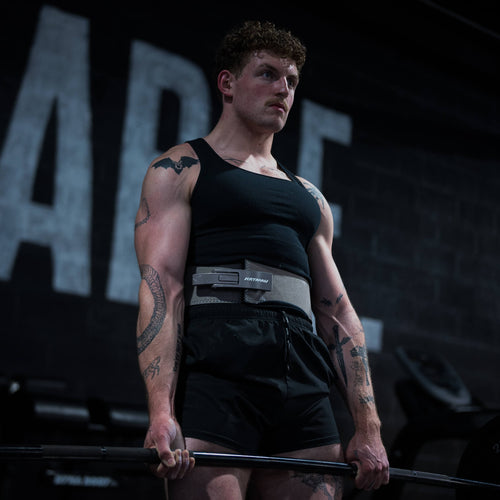
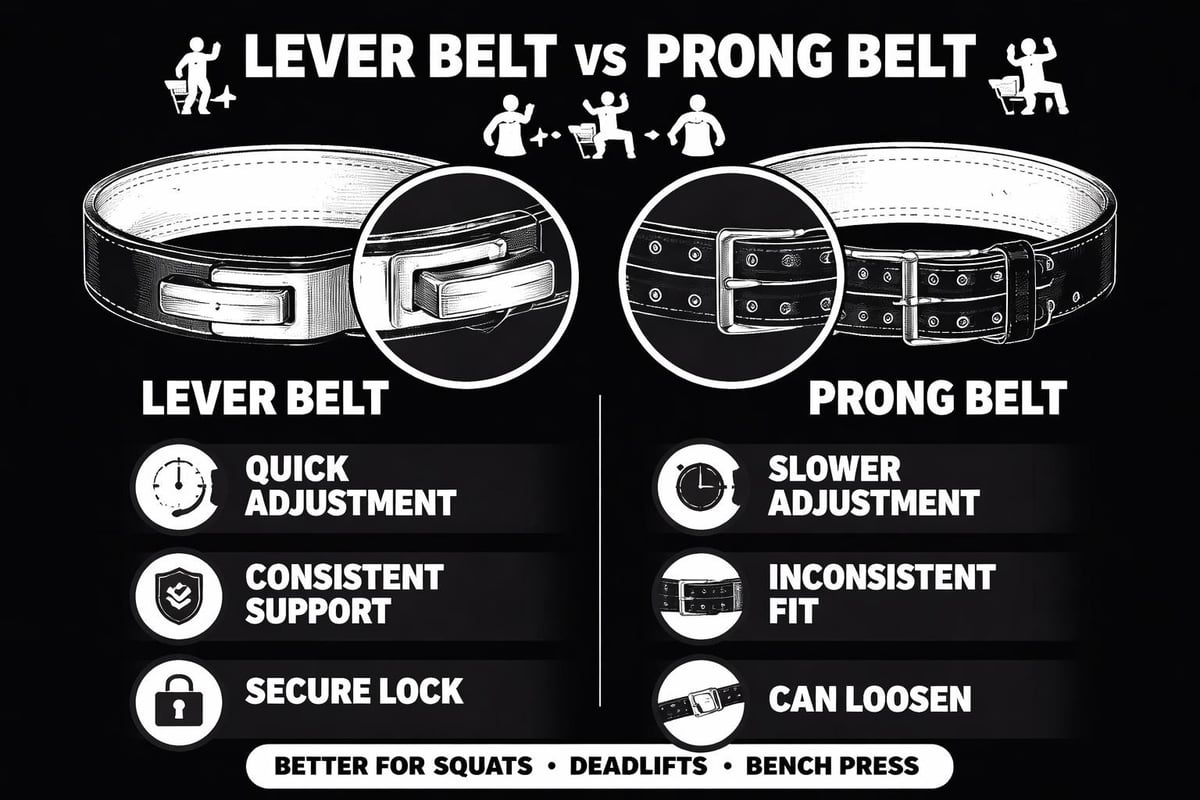
Powerlifters build their wardrobes around the big three lifts: squat, bench press, and deadlift. The lever belt stands as the cornerstone of powerlifting equipment, providing crucial intra-abdominal pressure that protects the spine during heavy lifts. Unlike traditional prong belts, lever mechanisms allow for quick adjustments between exercises and offer consistent tightness every session.
Beyond belts, powerlifters wear specific items for each lift:
- Knee sleeves that provide warmth and mild support during squats
- Wrist wraps that stabilize the joint during heavy bench pressing
- Lifting straps for accessory deadlift work and row variations
- Squat shoes with elevated heels for improved depth and positioning
- Competition singlets that meet federation requirements
Many competitors also invest in specialized lifting attire that complies with their federation's regulations, ensuring they're competition-ready during training cycles.
CrossFit and Functional Fitness Considerations
Athletes in functional fitness spaces have different needs. What lifters wear in CrossFit boxes combines durability with versatility, since a single workout might include Olympic lifts, gymnastics movements, and metabolic conditioning. Functional fitness collections emphasize breathable, moisture-wicking materials that transition seamlessly between different movement patterns.
These athletes typically choose:
- Flexible knee sleeves rather than rigid powerlifting versions
- Minimalist shoes or barefoot-style footwear for natural movement
- Compression shorts that allow full range of motion
- Quick-dry shirts and moisture management fabrics
- Multipurpose wrist wraps that work for both lifting and gymnastics
The Science Behind Quality Lifting Gear
Not all lifting equipment performs equally. The materials and construction methods determine whether your gear lasts months or years. Premium leather belts, for instance, require proper break-in periods but then mold to your body shape and maintain structural integrity through thousands of lifts. Synthetic alternatives might feel comfortable initially but often lack the durability serious lifters need.
Material Quality and Longevity
What lifters wear should withstand intense mechanical stress repeatedly. Consider these material comparisons:
| Equipment Type | Budget Materials | Premium Materials | Expected Lifespan |
|---|---|---|---|
| Lifting Belts | Thin leather, basic stitching | 10mm+ genuine leather, reinforced stitching | 1-2 years vs 5-10 years |
| Knee Sleeves | Standard neoprene | Medical-grade neoprene, reinforced seams | 6-12 months vs 2-4 years |
| Wrist Wraps | Cotton blends, elastic | Heavy-duty cotton, thumb loops | 3-6 months vs 2-3 years |
| Lifting Straps | Basic cotton | Reinforced cotton, double stitching | 6 months vs 2-3 years |
The investment in quality gear pays dividends over time. A premium lever belt might cost more upfront, but when you calculate cost-per-workout over several years, it becomes the economical choice.
Breaking In and Maintaining Equipment
New lifting gear requires proper care to reach peak performance. Leather belts need gradual break-in periods, during which the material softens and conforms to your torso. Rush this process and you risk creating weak points or uncomfortable pressure spots.
Follow these maintenance guidelines:
- Roll leather belts rather than folding them for storage
- Air-dry knee sleeves and wraps after every session
- Wash supportive gear according to manufacturer care instructions
- Inspect stitching and stress points monthly
- Replace worn equipment before it fails during lifts
Understanding gear specifications helps you identify quality construction before purchasing. Look for details like stitch count per inch, leather thickness measurements, and reinforcement methods at stress points.
Building Your Lifting Wardrobe Strategically
Smart lifters build their gear collections progressively, prioritizing items that deliver the most significant performance and safety benefits. You don't need everything immediately, but certain pieces prove essential regardless of your training style.
Priority One: Foundational Support
Start with equipment that protects your body during compound movements. A quality lifting belt should be your first investment, as it provides irreplaceable support for your spine during heavy squats and deadlifts. Many lifters wear their belts for working sets above 70-80% of their one-rep max, though individual preferences vary.
The fit guide becomes crucial here. An ill-fitting belt compromises both safety and performance. Measure your waist at the narrowest point, typically where you'd wear the belt during squats, and account for breathing expansion. Lever belts offer adjustment advantages but require accurate initial sizing.
Priority Two: Joint Support and Stability
Once you have core stability covered, focus on joint protection:
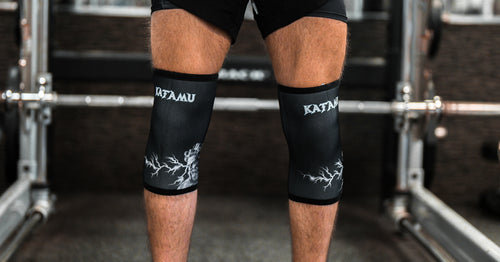
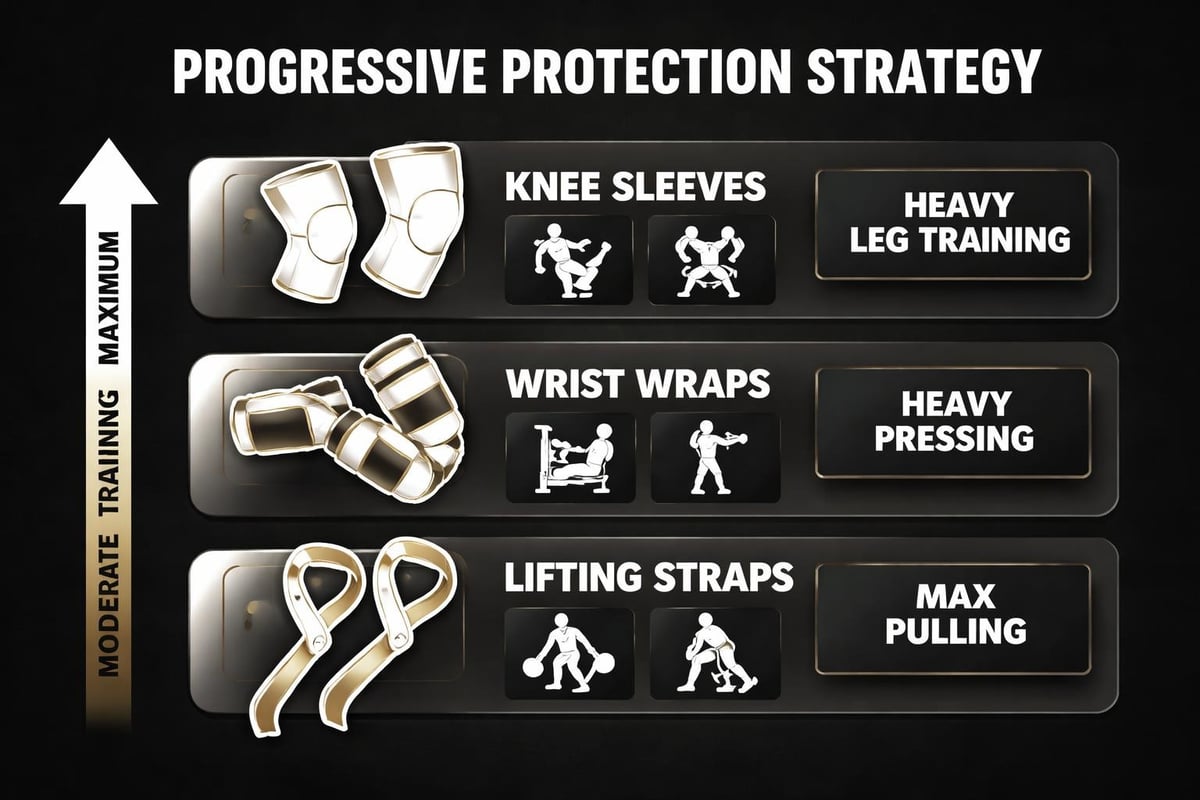
Knee sleeves rank highly for squatters and anyone with knee concerns. They provide compression, warmth, and proprioceptive feedback that helps you maintain proper positioning. Choose thickness based on your needs: 5mm for general training, 7mm for heavier work.
Wrist wraps become essential as pressing weights increase. They prevent hyperextension and distribute force more evenly across the joint. Competition lifters often use 30-36 inch wraps, while recreational lifters find 18-24 inches sufficient.
Lifting straps enable grip endurance during high-volume back training. While some purists avoid straps, they serve valuable purposes in hypertrophy phases and allow you to fully fatigue target muscles without forearm limitations.
Priority Three: Performance Enhancement
After covering safety essentials, what lifters wear for performance optimization includes:
- Specialized footwear for different lifts (squat shoes, deadlift slippers, or lifting-specific trainers)
- Compression gear for improved blood flow and reduced fatigue
- Pump covers for motivation and mental preparation
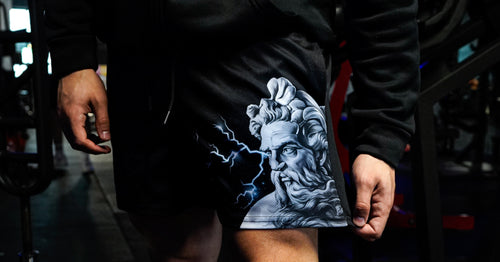
- Training shorts designed for deep squatting and unrestricted movement
- Duffle bags to organize and protect your equipment investment
Competitive Lifting Requirements
Competition lifters face specific regulations about what they wear on the platform. Federations publish detailed requirements covering everything from singlet cut to sock height. Understanding these rules prevents disqualification and ensures your training gear translates to meet day.
Federation-Specific Regulations
Different powerlifting federations maintain varying equipment standards:
| Federation | Belt Thickness | Knee Sleeve Type | Singlet Requirements |
|---|---|---|---|
| USAPL/IPF | 13mm maximum | Not allowed in raw | Federation-approved brands |
| USPA | 13mm maximum | 30mm maximum in raw | Standard singlet, various brands |
| SPF | More lenient | Wraps allowed in equipped | Looser requirements |
Many serious competitors maintain separate gear for training versus competition. Training equipment prioritizes comfort and longevity, while competition gear meets exact specifications from approved lists. This dual-wardrobe approach protects your investment and ensures compliance.
Raw Versus Equipped Divisions
What lifters wear differs dramatically between raw and equipped divisions. Raw lifters use minimal supportive gear: belt, wrist wraps, and sometimes knee sleeves depending on federation. Equipped lifters add specialized suits and shirts designed to enhance performance through stored elastic energy.
Raw lifting has gained massive popularity in recent years, making minimalist gear setups increasingly common. This trend emphasizes technique and natural strength development rather than equipment mastery. However, even raw lifters benefit from quality basics that provide appropriate support without crossing into equipment assistance.
Training Apparel Beyond Supportive Equipment
The clothing you wear during training sessions affects comfort, performance, and even injury prevention. Fabric choice, fit, and design all contribute to training quality.
Shorts and Bottoms
Lifting shorts need specific characteristics:
- Deep squat accommodation without binding or restricting movement
- Durable construction that withstands bar contact during deadlifts
- Moisture management to handle intense training sessions
- Appropriate length that doesn't interfere with knee sleeves
Many lifters prefer shorter inseams (5-7 inches) that prevent fabric from bunching behind the knee. Others choose compression tights for additional support and warmth. Your selection depends on personal preference, gym temperature, and specific training demands.
Upper Body Considerations
What lifters wear on top varies by training phase and personal style. Fitted shirts provide better proprioceptive feedback during technique work, allowing you to feel muscle engagement and bar position more accurately. Looser pump covers serve psychological purposes, helping you visualize physique goals and maintain motivation between heavy sets.
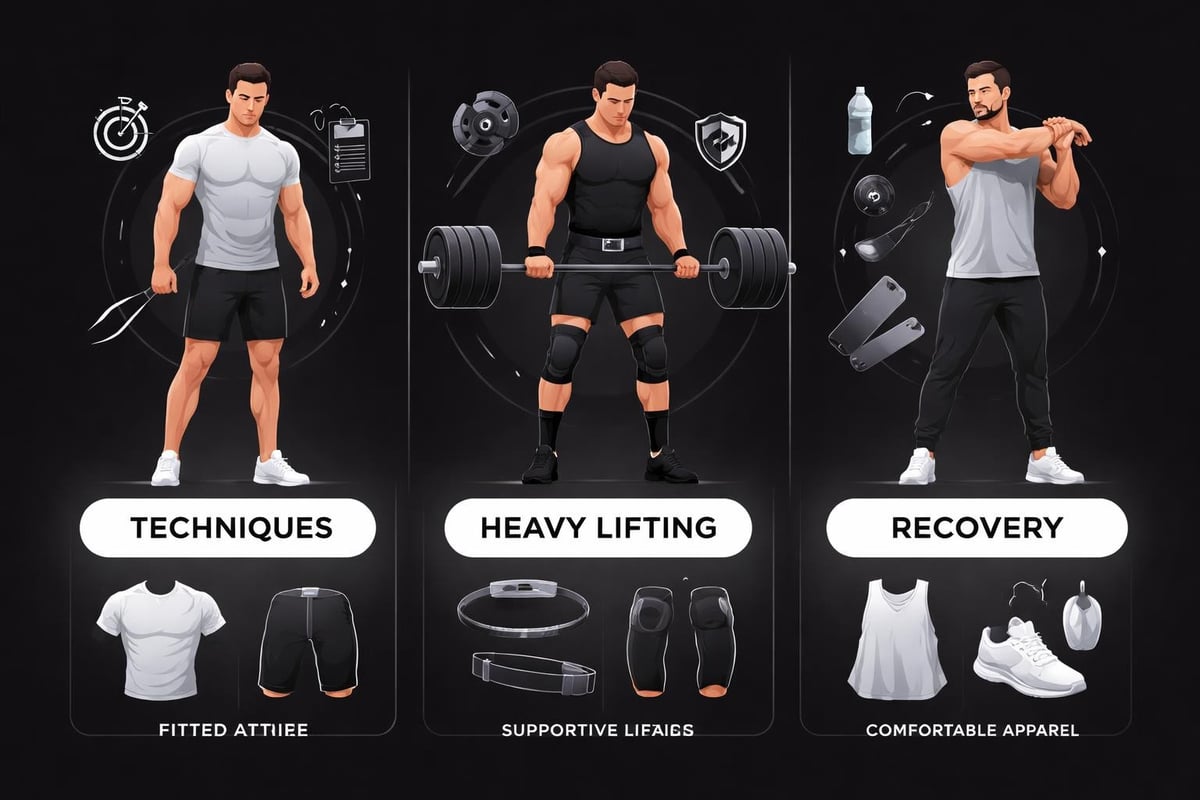
Temperature regulation matters too. Lifters in cold gyms might layer up to keep muscles warm and pliable, while those in warmer environments prioritize breathability and moisture-wicking properties. Performance gymwear designed specifically for strength training addresses these varying needs better than general athletic clothing.
Accessories That Complete Your Setup
Beyond major equipment categories, several accessories enhance your training experience and protect your investments.
Bags and Organization
Quality duffle bags designed for gym use feature:
- Separate compartments for shoes and sweaty clothing
- Ventilated pockets that prevent odor buildup
- Reinforced handles for heavy loads
- Water-resistant materials protecting electronics and valuables
- Dedicated slots for belts, wraps, and smaller accessories
Organized gear lasts longer because it's properly stored rather than crammed randomly into generic bags. You'll also spend less time searching for items between sets.
Hygiene and Maintenance Items
Smart lifters carry maintenance supplies:
- Microfiber towels for equipment wiping and sweat management
- Leather conditioner for belt maintenance
- Small repair kits with spare hardware
- Grip chalk or liquid chalk alternatives
- Antibacterial wipes for shared equipment
These minor items protect both your gear and your health, especially important in commercial gym environments.
Shopping Considerations for Quality Gear
When building your lifting wardrobe, several factors beyond price should guide your decisions. What lifters wear reflects their commitment to the sport and understanding of quality indicators.
Identifying Quality Construction
Before purchasing, examine these details:
Stitching quality: Count stitches per inch on seams and stress points. Premium gear uses reinforced stitching at critical junctions, often with contrasting thread that makes inspection easier. Budget items feature fewer stitches spaced farther apart.
Hardware durability: Lever mechanisms, buckles, and fasteners should feel substantial and operate smoothly. Cheap metal corrodes quickly or breaks under tension. Premium lifting essentials use stainless steel or heavy-duty alloys that withstand years of use.
Material thickness: Compare leather belt thickness across brands. Competition-legal maximum is 13mm, but many training belts use 10mm for break-in ease. Knee sleeves vary from 3mm to 7mm, with thicker generally providing more support but less flexibility.
Sizing Accuracy and Returns
Proper fit makes or breaks equipment effectiveness. Consult size guides carefully and measure yourself accurately. Consider that:
- Belts should fit snugly at your natural waist with room for breathing
- Knee sleeves need tight fits without cutting off circulation
- Wrist wraps come in various lengths for different wrap techniques
- Shoes should allow toe splay without excessive heel movement
Verify return policies before purchasing. Reputable companies offer reasonable return windows because they understand sizing challenges, especially for online purchases. Check shipping and refund policies to understand your options if gear doesn't fit as expected.
Brand Selection and Value Assessment
The lifting equipment market includes dozens of manufacturers ranging from budget-friendly to premium-tier. What lifters wear often signals their training seriousness and budget priorities, but smart shopping finds quality at various price points.
Premium Versus Budget Trade-offs
Higher prices don't automatically guarantee better performance, but correlations exist. Premium brands typically offer:
- Longer warranty coverage demonstrating manufacturer confidence
- Better customer service and replacement part availability
- More refined designs based on athlete feedback
- Ethical manufacturing with quality control standards
- Aesthetic options and customization features
Budget brands serve valuable roles too, especially for beginners uncertain about long-term commitment. However, intermediate and advanced lifters usually find premium gear more economical over time.
Direct-to-Consumer Advantages
Many modern lifting brands sell directly to consumers, eliminating retailer markups. This model often delivers premium quality at mid-range prices. Look for companies with:
- Transparent manufacturing information
- Athlete endorsements and testing programs
- Active community engagement
- Educational content demonstrating expertise
- Clear warranty and support policies
Specialized weightlifting equipment providers often have deeper product knowledge than general sporting goods retailers, offering better guidance for specific needs.
Style Meets Function in Modern Lifting Gear
What lifters wear in 2026 reflects broader trends toward personalization and self-expression. Gone are the days when all lifting belts were plain black leather. Modern lifters demand equipment that performs excellently while reflecting their personality and aesthetic preferences.
Design Innovation Without Compromise
The best contemporary gear proves you don't sacrifice performance for style. Innovative companies produce:
- Custom colorways and patterns on technical fabrics
- Artistic designs on premium leather belts
- Limited edition collaborations with athletes and artists
- Themed collections celebrating lifting culture
- Personalization options for names and numbers
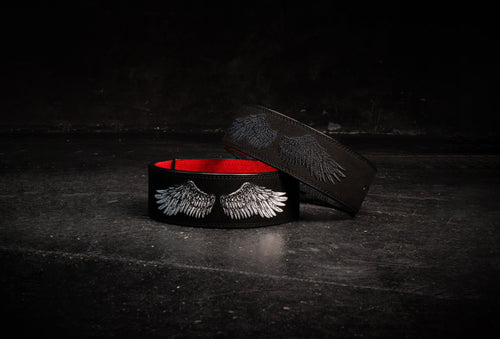
These aesthetic upgrades don't affect structural integrity when done properly. The Red Dragon Belt and White Dragon Lever Belt exemplify how striking designs enhance rather than detract from functionality.
Cultural Expression Through Equipment
Lifting culture embraces individuality, and your gear choices contribute to gym identity. Some lifters prefer minimalist, professional aesthetics. Others celebrate bold graphics and cultural references. Both approaches work when built on quality foundations.
This personalization extends beyond major equipment to accessories. Wrist wraps in team colors, knee sleeves with motivational phrases, and custom-printed pump covers all allow self-expression while serving practical purposes.
Common Mistakes When Building Your Gear Collection
Even experienced lifters sometimes make poor purchasing decisions. Avoiding these common errors saves money and improves training quality.
Mistake One: Buying Everything At Once
New lifters often rush to acquire complete setups immediately. This approach wastes money on items you don't yet need and prevents informed decisions based on training experience. Build your collection gradually, adding pieces as your training advances and requirements clarify.
Mistake Two: Prioritizing Price Over Quality
Cheap gear seems attractive initially but creates false economy. Calculate cost-per-use rather than upfront expense. A belt lasting ten years costs less per workout than one replaced annually, even if it costs triple initially.
Mistake Three: Ignoring Proper Fit
Ill-fitting equipment performs poorly regardless of quality. Never guess sizes, especially for supportive gear. Take accurate measurements, consult sizing charts, and when between sizes, contact customer service for guidance. Most companies prefer helping you order correctly initially rather than processing returns.
Mistake Four: Neglecting Maintenance
Even premium gear deteriorates without proper care. Clean equipment after use, store it properly, and perform regular inspections. Small repairs handled early prevent complete replacements later. Proper care protocols extend equipment lifespan significantly.
Seasonal and Environmental Considerations
What lifters wear adapts to training environments and seasonal changes. Climate-controlled commercial gyms offer consistency, but home gym lifters and outdoor training enthusiasts face varying conditions.
Cold Weather Training
Winter lifting presents unique challenges:
- Muscles need longer warm-ups to reach optimal temperatures
- Joint stiffness increases injury risk without proper preparation
- Layering becomes essential but shouldn't restrict movement
- Equipment like leather belts may feel stiffer in cold conditions
Smart cold-weather lifters use base layers that trap heat while wicking moisture, gradually removing layers as sessions progress. Knee sleeves provide extra warmth beyond their support functions.
Hot Weather Adaptations
Summer training demands different approaches:
- Hydration becomes critical for performance and safety
- Lighter, more breathable fabrics prevent overheating
- Chalk or grip aids compensate for sweaty hands
- Recovery between sets may need extension
Some lifters reduce supportive gear in extreme heat, though safety shouldn't be compromised. Adjust training times to cooler parts of the day when possible.
Specialized Equipment for Specific Lifts
Advanced lifters often acquire specialized gear optimizing particular movements. While not essential for beginners, these items provide marginal gains that matter in competitive contexts.
Deadlift-Specific Equipment
Serious deadlifters invest in:
- Figure-8 straps for maximum grip security during heavy pulls
- Deadlift slippers minimizing bar distance from the floor
- Specialized suits in equipped divisions
- Alternate grip chalk formulations
Squat-Specific Tools
Squat specialists might use:
- Heel-elevated shoes improving depth and positioning
- Heavier knee sleeves for maximum joint support
- Specialized bar pads (though purists avoid these)
- Hip circle bands for warm-up activation
Bench Press Optimization
Bench pressers benefit from:
- Longer, stiffer wrist wraps preventing hyperextension
- Specific grip shirts in equipped divisions
- Arch-friendly shorts that don't bunch during setup
- Wider belts supporting the torso during leg drive
These specialized items represent refinements for experienced lifters rather than necessities for most training.
Building a quality lifting wardrobe takes time, research, and thoughtful investment in gear that matches your specific training needs and goals. What lifters wear directly impacts their performance, safety, and longevity in strength sports, making informed equipment choices essential for serious progress. Whether you're prioritizing your first lever belt or rounding out your accessory collection, focus on quality construction, proper fit, and practical functionality over flashy marketing. At KatamuCo, we understand that premium lifting gear combines durability, performance, and personal style without compromise, offering lever belts, knee sleeves, wrist wraps, and accessories built to support your training for years to come.
