 30-Day Money Back Guarantee

Unlock your true lifting potential in 2026 with custom lifting belts designed just for you. This expert handbook is your go-to resource for understanding, choosing, and getting the most out of custom lifting belts to boost safety, performance, and personal style.
Inside, you’ll discover the basics of lifting belts, why customization is a game changer, and how to create your perfect belt step by step. We’ll also share essential care tips and spotlight the latest trends shaping lifting gear. Ready to transform your lifting experience? Let’s begin your journey to a stronger, safer, and more confident you.
The Fundamentals of Lifting Belts
Lifting belts are more than just a gym accessory. They are essential tools for anyone serious about strength training, injury prevention, and maximizing performance. Understanding the basics of custom lifting belts is the first step toward safer, more effective lifting.
What Are Lifting Belts and How Do They Work?
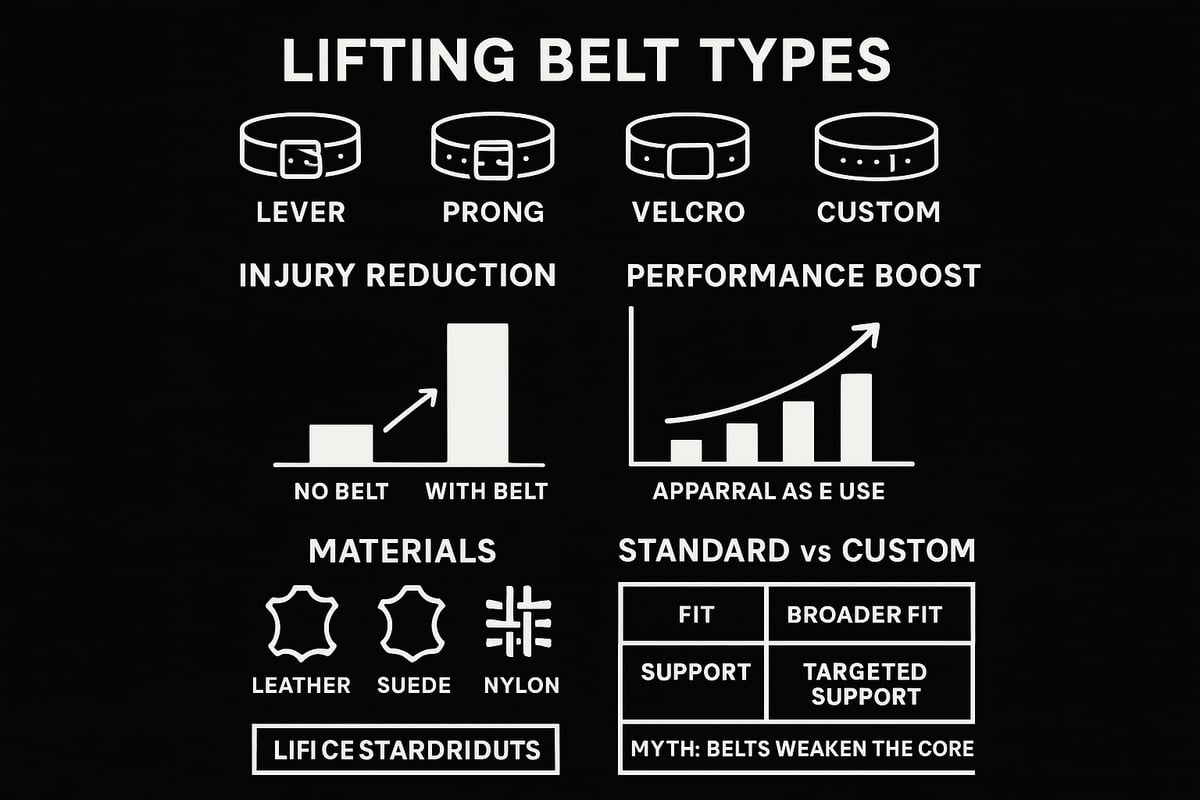
Lifting belts provide crucial intra-abdominal pressure and lumbar support, stabilizing your spine during heavy lifts. There are several types, including lever, prong, Velcro, and custom lifting belts, each suited for different needs. Materials vary, with leather offering maximum support, suede adding comfort, and nylon prioritizing flexibility.
Powerlifters often prefer thick leather belts for squats and deadlifts, while Olympic lifters may choose slimmer, more flexible options. For a deeper dive into how to choose the best belt for your needs, check out the Best Weightlifting Belt Guide.
Benefits of Using a Lifting Belt
Using custom lifting belts can significantly reduce the risk of lower back injuries by up to 45 percent when worn correctly. They also help lifters push their limits, with studies showing an average increase of 10 to 15 percent in squat and deadlift personal records.
Custom lifting belts improve core stability, helping you brace more effectively. This added support boosts confidence, allowing you to focus on form and performance instead of worrying about potential injuries.
Common Myths and Misconceptions
A common myth suggests that belts weaken your core. In reality, custom lifting belts actually teach you how to brace your core properly under heavy loads. Another misconception is that belts are only for advanced lifters, but beginners can also benefit from extra support during challenging lifts.
However, misuse or overreliance is a risk. It is important to use custom lifting belts only for heavy or maximal lifts rather than every exercise. This helps maintain natural core strength and prevents dependency.
Standard vs. Custom Lifting Belts
Standard belts often come with sizing limitations, generic designs, and basic materials. In contrast, custom lifting belts offer a perfect fit, tailored support, and unique styles that match your personality.
| Feature | Standard Belt | Custom Lifting Belt |
|---|---|---|
| Fit | Generic, limited | Tailored, precise |
| Support | Basic | Optimized for your build |
| Style | Simple, common | Personalized, unique |
| Price | Lower upfront | 20-40% higher, lasts longer |
Though custom lifting belts cost more initially, their durability and fit make them a smart long-term investment.
Who Should Use a Lifting Belt?
Custom lifting belts are suitable for everyone from beginners to elite athletes. If you are a gym-goer with a history of back issues or someone who regularly lifts heavy, a custom belt can provide the support you need.
For example, a recreational lifter might use a belt for heavier sets, while a competitive powerlifter relies on custom lifting belts for every max attempt. The right belt can be a game-changer, regardless of your experience level or lifting goals.
Why Customization Matters: The Case for Custom Lifting Belts
Unlocking your best performance in the gym starts with gear that fits your body and style. Custom lifting belts go far beyond standard options, offering a level of personalization that can truly elevate your training. Let's break down why investing in a custom lifting belt is a game changer.
Personalized Fit and Comfort
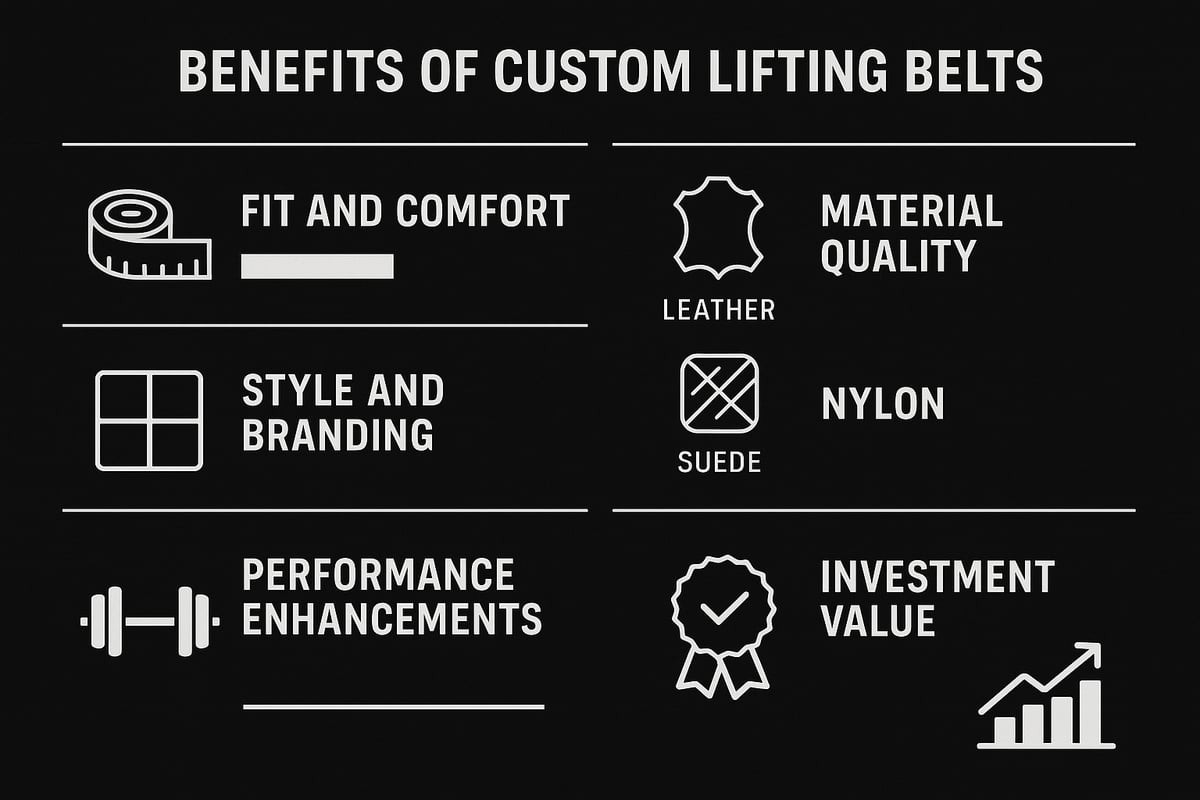
The right fit is crucial for both safety and performance. Custom lifting belts are designed to match your exact waist size and torso length, eliminating the guesswork that comes with off-the-shelf belts. This precise fit means your belt won’t dig into your hips or ribs, preventing discomfort and distractions during heavy lifts.
For shorter or taller lifters, standard belts often miss the mark. A custom lifting belt can be tailored to your proportions, supporting your spine and core exactly where you need it. This targeted support helps prevent injuries and lets you focus on executing each rep with confidence.
Material Selection and Quality
Choosing premium materials is a major advantage of custom lifting belts. Options like high-grade leather, soft suede, or flexible nylon allow you to select the feel and durability that matches your lifting style. Custom belts are often crafted from thicker, more resilient materials than generic versions, which means they can stand up to years of intense training.
Studies show that custom lifting belts frequently last two to three times longer than standard belts. Investing in quality upfront reduces the need for frequent replacements and ensures your belt will remain supportive through countless training cycles.
Style, Branding, and Motivation
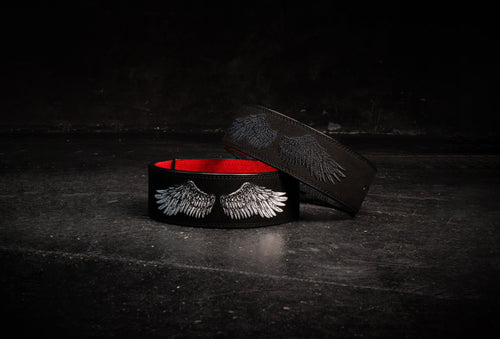
Custom lifting belts let you express your personality and motivate yourself with every session. Whether you want a bold color, your initials, or a team logo, the options for personalization are nearly endless. Many lifters report feeling a psychological boost when training in gear that feels unique and represents their identity.
Social media trends highlight influencers showcasing their custom belts, sparking inspiration and community engagement. If you’re curious about what’s possible, check out this Collection of Lever Belts for examples of innovative designs and customization features.
Performance Enhancements
Performance isn’t just about looks or comfort. Custom lifting belts can be tailored in thickness, width, and buckle type to suit your specific lifts. For example, you might choose a 10mm belt for versatility or a 13mm belt for maximum support during powerlifting.
Selecting the right closure mechanism, like a lever or prong, can make a real difference in how quickly you adjust your belt between sets. Research indicates that lifters using custom lifting belts report a 20 percent improvement in perceived stability, helping them push for new personal records with greater confidence.
Investment Value
While custom lifting belts may cost 20 to 40 percent more than standard options, the long-term value is hard to beat. These belts are built to last, often coming with extended warranties and superior customer support. Many brands also offer repair services, adding to the belt’s lifespan.
In niche communities, custom lifting belts even retain resale value if you ever decide to upgrade or change your style. When you look at cost per use, a custom belt is not just a purchase, it’s a smart investment in your lifting journey.
Step-by-Step Guide: Designing Your Own Custom Lifting Belt
Designing your own custom lifting belts is a rewarding process that ensures you get a perfect fit, optimal support, and a style that matches your personality. Let’s walk through each step, so you can confidently create a belt that supports your lifting journey from the ground up.
Step 1: Assess Your Needs and Lifting Goals
Before you even look at options, take a moment to define your training style and goals. Are you focused on powerlifting, Olympic lifting, CrossFit, or general strength training?
Think about how often you’ll use your custom lifting belts and for which lifts. If you’re hitting heavy squats or deadlifts multiple times a week, you’ll need durability and maximum support. For CrossFit or bodybuilding, flexibility and comfort might matter more.
Ask yourself:
- Do you have any back issues that require extra support?
- Are you training for competition or personal progress?
- Do you need a belt for daily use or just for max-out sessions?
Identifying these needs will help you narrow down features and ensure your custom lifting belts enhance your performance and safety from day one.
Step 2: Choose the Right Material and Thickness
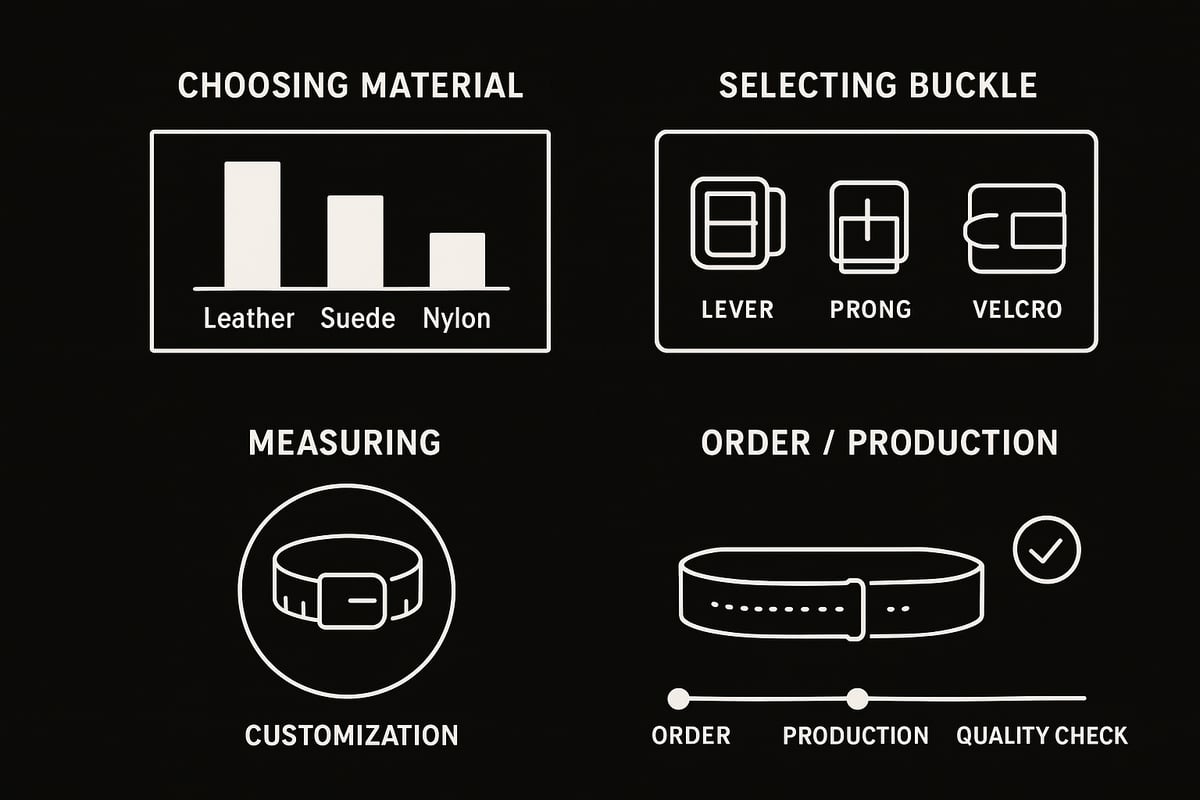
Material choice impacts comfort, support, and longevity. Custom lifting belts are usually made from leather, suede, or nylon. Each has its pros and cons.
| Material | Support | Comfort | Durability | Break-In Time |
|---|---|---|---|---|
| Leather | High | Medium | Excellent | Longer |
| Suede | Medium | High | Good | Short |
| Nylon | Low | Very High | Fair | None |
Thickness matters too. A 10mm belt offers versatility and is easier to break in, while a 13mm belt provides maximum support for those heavy lifts. If you’re new to custom lifting belts, a 10mm leather or suede belt is a solid choice for most lifters.
Consider how the material feels during use. Leather belts last longer but take time to soften. Suede is more comfortable out of the box. Nylon is lightweight, best for dynamic training.
Step 3: Select Buckle Type and Closure Mechanism
The closure system affects how quickly and securely you can adjust your belt. There are three main options for custom lifting belts:
- Lever: Fastest to adjust, very secure, ideal for powerlifting.
- Prong: Classic design, offers micro-adjustability, suits various lifting styles.
- Velcro: Lightweight and flexible, best for CrossFit or dynamic movements.
Many lifters prefer lever belts for their speed and reliability, especially in competition settings. Want to know more about why lever belts are so popular? Check out Lever Belt Benefits Explained.
Choose a closure that matches your training needs. If you frequently change belt tightness between lifts, a prong or Velcro closure might be better. For max stability and quick on-off, a lever is hard to beat.
Step 4: Customize Sizing and Measurements
Proper sizing is the foundation of effective custom lifting belts. Measure your waist at the point where you plan to wear the belt, typically around your navel. Use a flexible tape measure and avoid holding your breath for accuracy.
Consider your torso length. Shorter lifters might need a narrower belt to prevent hip pinching, while taller athletes may benefit from a longer, wider design. Double-check sizing guides provided by manufacturers.
Common pitfalls include:
- Measuring over clothing instead of directly on the skin
- Guessing waist size instead of using a tape
- Ignoring torso length
A well-fitted belt means more comfort, better support, and fewer distractions during lifts.
Step 5: Personalize Design and Branding
Express yourself with custom lifting belts by choosing colors, embroidery, and logos. Many brands offer a wide palette, from classic black to bold neons. Embroidered names, motivational phrases, or gym logos can make your belt unique.
Consider matching your belt with your gym apparel or team colors. For group orders, custom branding can unify your squad and boost team spirit.
Popular personalization options:
- Custom color stitching
- Embroidered names or quotes
- Gym or team logos
Your custom lifting belts should not only perform well but also inspire you every time you train.
Step 6: Order Process and Production Timeline
Once you’ve finalized your design, it’s time to order. Most brands offer an online customization tool. You’ll select your options, submit measurements, and confirm the design.
Production timelines vary, typically ranging from 2 to 8 weeks. Factors like material availability, embroidery complexity, and order volume can affect the wait time.
Tips for a smooth order process:
- Double-check your measurements and design selections
- Communicate any special requests clearly
- Ask about order tracking and estimated delivery
Patience pays off. Your custom lifting belts are being crafted for your specific needs, so the wait is worth the result.
Step 7: Quality Checks and First Use
When your belt arrives, inspect it closely. Check stitching, hardware, and finish for any flaws. Ensure the buckle works smoothly and the fit matches your measurements.
Leather belts may feel stiff at first. Break them in by wearing them during warm-ups and lighter sessions. Suede and nylon break in faster, but always test for comfort.
Expect some adjustment as you get used to your new custom lifting belts. Fine-tune the tightness and placement for each lift. A well-made belt should feel supportive and comfortable, encouraging you to push your limits safely.
Proper Use, Care, and Maintenance of Custom Lifting Belts
Taking care of your custom lifting belts is essential for safety, performance, and long-term value. Proper use and routine maintenance ensure your investment supports you through every lift. Let’s break down the best practices for wearing, using, and caring for your custom lifting belts so you can maximize their potential.
How to Wear and Position Your Belt Correctly
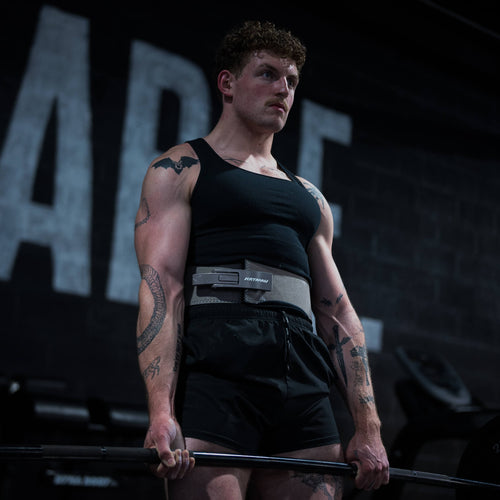
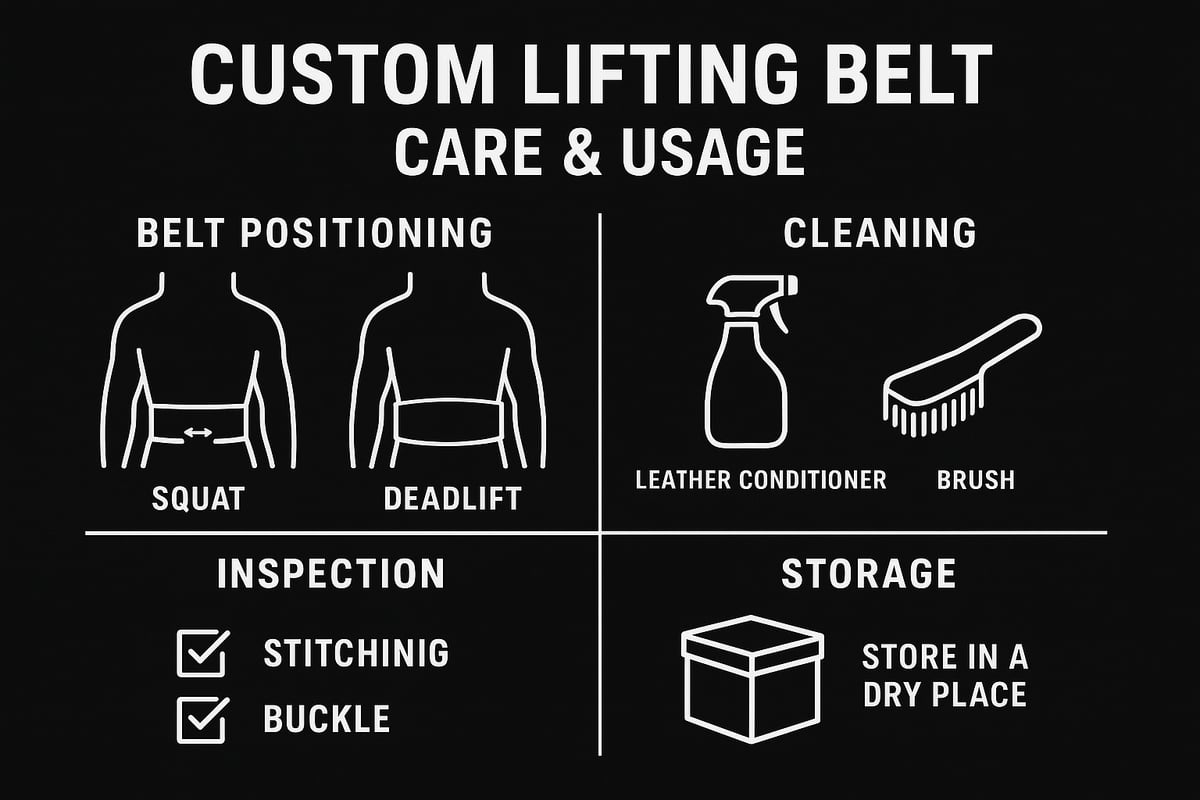
Wearing your custom lifting belts properly is the foundation for both safety and performance. For squats, the belt should sit just above your hip bones, snug but not constricting your breath. Deadlifts often require slightly higher placement for optimal support.
Check that your custom lifting belts allow you to brace your core comfortably. The belt should not dig into your ribs or hips. Avoid over-tightening, as this can restrict breathing and reduce stability. Instead, aim for a fit that supports your core while enabling you to take a deep breath and brace effectively.
Positioning mistakes are common, especially for beginners. Always double-check alignment before each lift, and adjust the tightness as needed for various exercises. This ensures your custom lifting belts deliver the intended support and protection.
When to Use a Lifting Belt vs. Training Raw
Knowing when to use custom lifting belts is just as important as proper fit. Experts recommend wearing belts during heavy compound lifts at 80% or more of your one-rep max. For warm-ups and lighter sets, training raw helps develop natural core strength.
Balancing belt use prevents overreliance and ensures your core muscles stay engaged. According to the NIOSH report on back belts and injury prevention, belts can reduce spinal loading and lower the risk of injury when used correctly, but should not replace proper technique.
Reserve your custom lifting belts for high-intensity sets or when lifting near your limits. This approach maximizes safety and performance while maintaining balanced core development.
Cleaning and Storing Your Belt
Regular cleaning and proper storage are crucial for maintaining custom lifting belts. For leather belts, use a soft brush to remove chalk and dust, then apply a leather conditioner to prevent cracking. Suede and nylon belts require gentle spot cleaning with mild soap and water.
Always keep your custom lifting belts flat in a cool, dry place. Avoid exposing them to direct sunlight or heat sources, which can degrade materials over time. Never store a damp belt, as moisture can cause mold and weaken stitching.
A simple care routine preserves the appearance and functionality of your custom lifting belts. Consistent maintenance extends belt life and keeps it looking sharp.
Inspecting for Wear and Tear
Routine inspections are essential for the safety of your custom lifting belts. Check for cracks in the leather, frayed edges, loose stitching, and worn or rusted hardware every one to two months. Pay close attention to the buckle and closure mechanism, as these components handle the most stress.
If you notice minor issues, address them immediately to prevent further damage. Some custom lifting belts come with repair services or warranties, making it easier to keep your gear in top shape. For major defects, consider replacing the belt to avoid compromised support during lifts.
Staying proactive with inspections ensures your custom lifting belts remain reliable and safe for every training session.
Maximizing Longevity and Performance
To get the most from your custom lifting belts, rotate between multiple belts if you lift frequently. Avoid using your belt for non-lifting activities, which can cause unnecessary wear. Many premium brands offer warranty and repair services, adding extra value to your investment.
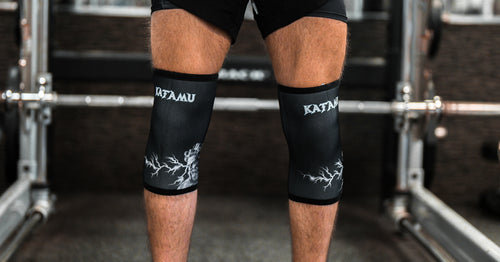
Pairing your belt with other high-quality accessories, like straps or knee sleeves, can enhance your complete lifting setup. For more on essential gym gear, check out the Top Gym Accessories for Lifters.
By following these best practices, your custom lifting belts will deliver maximum support, comfort, and durability for years to come.
Future Trends: Innovations in Custom Lifting Belts for 2026
The world of custom lifting belts is evolving rapidly, bringing gym-goers and athletes new levels of performance, safety, and style. Let’s dive into the future, exploring how innovation is shaping the next generation of custom lifting belts.
Smart Belts and Wearable Tech Integration
Custom lifting belts are entering the digital age with smart technology. Imagine belts embedded with sensors that measure intra-abdominal pressure or monitor your form in real time. Bluetooth-enabled belts can sync with fitness apps, offering data-driven feedback on your lifts. Early prototypes from fitness tech brands are already helping lifters fine-tune their technique and reduce injury risk. According to Effects of back belts on lifting kinematics, proper belt use can influence trunk movement, so integrating smart feedback is a logical next step for custom lifting belts.
Sustainable and Eco-Friendly Materials
Sustainability is a driving force in the fitness gear market. Custom lifting belts made from vegan leather or recycled nylon are gaining popularity among eco-conscious lifters. Market data shows a 30% increase in demand for sustainable lifting gear between 2023 and 2025. Ethical production and transparency are becoming must-haves for brands. As more athletes seek performance with a conscience, expect custom lifting belts crafted from earth-friendly materials to become the new standard. These choices align with health club members’ evolving values, as seen in Weight lifting belt use patterns among health club members.
Advanced Personalization and 3D Printing
The future of custom lifting belts is all about a perfect fit. 3D scanning technology allows for precise measurement of your body’s contours, ensuring your belt matches your anatomy exactly. 3D printing enables custom patterns, textures, and even rapid prototyping for unique belt designs. These advances make it possible to create custom lifting belts that feel like an extension of your body, improving both comfort and performance. This level of tailoring means fewer sizing issues and more lifters getting the precise support they need.
Community-Driven Designs and Limited Editions
Custom lifting belts are becoming a canvas for community expression. Brands are collaborating with athletes and fitness communities to crowdsource designs, vote on colorways, and launch limited edition drops. These exclusive releases drive excitement and create a sense of belonging. Lifters can now showcase their personality or team spirit through their gear, making custom lifting belts not just functional but also a statement piece. Expect more gyms and teams to invest in bespoke belt designs that foster unity and pride.
Evolving Standards and Regulations
As custom lifting belts grow in popularity, powerlifting federations and fitness organizations are updating their requirements. New safety certifications and quality marks help ensure belts meet rigorous performance standards. These evolving regulations impact how custom lifting belts are designed and manufactured, driving brands to innovate while staying compliant. Buyers benefit from greater transparency and confidence in their gear, knowing their custom lifting belts are both safe and competition-ready.
Now that you know how custom lifting belts can boost both your performance and confidence in the gym, why not take the next step and create a setup that really fits you? With Katamu’s top tier lever belts and accessories, you get unbeatable durability and cool designs that last for years—not just seasons. Whether you’re new to lifting or aiming for your next PR, building your own setup means you’re lifting smarter and safer. Ready to make your training personal and level up your gear?
Build your setup
