 30-Day Money Back Guarantee

In 2026, the demand for good powerlifting belts has never been higher as lifters of all levels seek safer and stronger workouts. Modern belt design now blends advanced materials with style, making these essential tools more accessible and effective for everyone, from gym newcomers to seasoned competitors.
A good powerlifting belt offers more than just support. It helps boost stability, increase lifting power, and lower the risk of injury during heavy training sessions. With so many innovations, choosing the right belt can make a real difference in your performance.
This guide explores seven essential good powerlifting belts, highlighting what sets each apart, their price points, and who they are best suited for. Get ready to find the perfect fit for your lifting journey.
What Makes a Powerlifting Belt “Good” in 2026?
Choosing good powerlifting belts in 2026 means looking beyond the basics. Today’s best belts blend science, comfort, and style, meeting the needs of both competitive and recreational lifters. Let’s break down the features that set good powerlifting belts apart.
Material Innovations and Durability
Good powerlifting belts now use advanced materials that maximize both durability and comfort. Vegetable-tanned leather has become a top choice for its eco-friendly properties and resilience. Synthetic belts, often made from high-density nylon or proprietary blends, offer lightweight performance and antimicrobial linings to fight odor buildup.
| Material | Longevity | Comfort | Notable Feature |
|---|---|---|---|
| Vegetable-tanned Leather | 10+ years | Firm, molds to user | Eco-friendly, robust |
| Synthetic (Nylon) | 5–7 years | Flexible | Antimicrobial, lightweight |
| Hybrid | 7–10 years | Balanced | Combines strength and comfort |
Hybrid belts merge the best of both worlds, delivering a balance for those who want good powerlifting belts that last and feel great during heavy sessions.
Support, Width, and Thickness
Support is the heart of any good powerlifting belts. In 2026, most belts follow IPF/IPL standards, typically featuring a 4-inch width and thickness options of 10mm or 13mm. The thickness impacts both the amount of support and the belt’s flexibility.
A recent survey among competitive lifters revealed a near-even split: about 55% prefer 10mm belts for their comfort and versatility, while 45% opt for 13mm models for maximum rigidity during heavy lifts. Thicker belts provide more spinal support but may limit mobility for smaller athletes or dynamic movements.
Choosing the right width and thickness ensures your good powerlifting belts offer both safety and performance benefits.
Buckle Types and Adjustability
Buckle design plays a crucial role in how good powerlifting belts fit and function. The main types are lever, prong, and quick-release mechanisms:
- Lever buckles: Fast adjustments, very secure, but require tools to change hole positions.
- Prong buckles: Classic style, offer micro-adjustments, but slower to put on or remove.
- Quick-release: Combine speed and flexibility, ideal for hybrid training styles.
Customizable buckles and color options are trending, letting lifters personalize their belts. For a deeper dive into the pros and cons of each type, check out this Gym belt types explained guide.
Comfort and Fit
A good powerlifting belt should feel like it was made just for you. Contoured edges and ergonomic shapes reduce pinching and allow for natural movement. Brands now offer extended sizing, ensuring inclusivity for all body types.
Sizing tips:
- Measure your waist at the navel, not your pant size.
- Consider how a belt fits during your main lifts, not just while standing.
- Try different models if you’re between sizes, as brand sizing varies.
Comfort remains a top priority for good powerlifting belts, especially for long training sessions.
Price vs. Value
The price range for good powerlifting belts in 2026 spans from $50 for entry-level options to over $250 for premium, competition-ready models. At lower price points, expect synthetic materials and basic buckles. Mid-tier belts offer genuine leather and robust construction, while premium belts feature advanced buckles, custom designs, and extended warranties.
| Price Tier | Features | Warranty |
|---|---|---|
| Entry ($50–$100) | Synthetic, basic buckle | 6–12 months |
| Mid ($100–$180) | Leather, lever/prong | 1–2 years |
| Premium ($180+) | Custom, IPF approved, extras | Lifetime |
Warranties and after-sales support are strong indicators of value, helping you invest wisely in good powerlifting belts for years to come.
7 Essential Good Powerlifting Belts to Try in 2026
Choosing among the many good powerlifting belts on the market can feel overwhelming, especially with new innovations arriving every year. To help you cut through the noise, we’ve rounded up seven of the most essential good powerlifting belts you should consider in 2026. Each belt on this list stands out for its unique features, performance benefits, and suitability for different lifters. Whether you’re a beginner, a competitive athlete, or just want the best value for your budget, you’ll find a belt tailored to your needs below.
Katamu Lever Belt – Premium Quality & Unique Designs
The Katamu Lever Belt has quickly become a favorite among those seeking good powerlifting belts that offer both performance and style. Priced between $90 and $120, it includes free shipping on US orders over $75, making it accessible for many athletes.
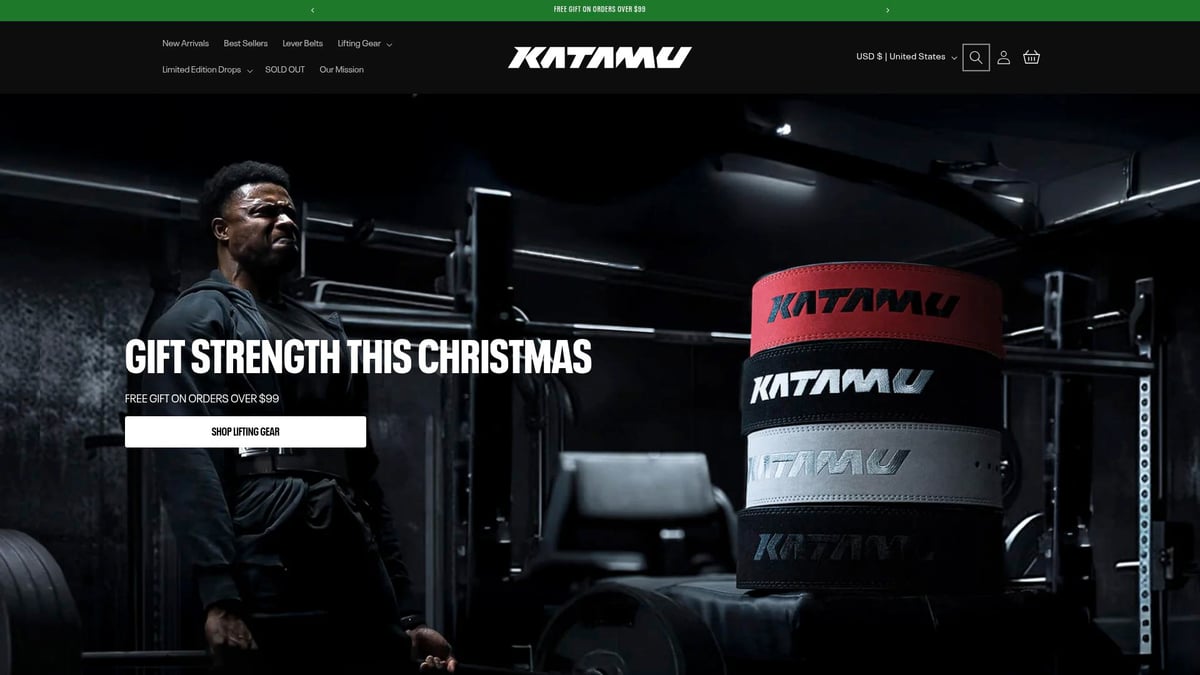
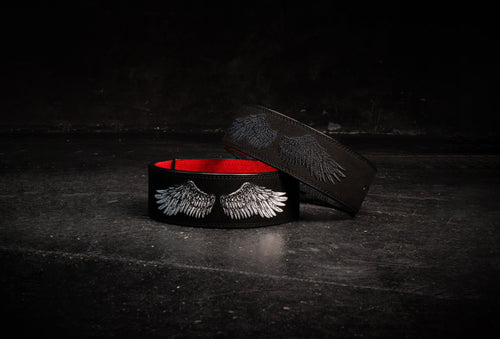
Crafted from premium leather, the Katamu Lever Belt is available in both 10mm and 13mm thicknesses, catering to different support preferences. Its durable lever buckle ensures a secure fit and fast adjustments, which is crucial for lifters who value efficiency during intense training sessions. What sets this belt apart from other good powerlifting belts is its series of unique, limited-edition designs such as the striking “Memento Mori” and “Crusader” collections.
The Katamu Lever Belt isn’t just about looks. It delivers robust support for heavy lifts and daily training, making it a versatile choice for both average gymgoers and serious powerlifters. The ergonomic design and contoured edges enhance comfort, especially during long workouts.
Buyers will appreciate the 1-year warranty, a generous money-back guarantee, and a loyalty program that rewards repeat customers. Global shipping is available, but since these are often limited-edition drops, popular designs can sell out quickly.
If you want a belt that stands out in the gym and performs at the highest level, the Katamu Lever Belt is one of the best good powerlifting belts to try this year. For more in-depth comparisons of this year’s top picks, check out the Best lifting belts for 2026.
Inzer Forever Lever Belt
The Inzer Forever Lever Belt has long been a staple among good powerlifting belts, trusted by world record holders and competitive lifters alike. With a price range of $120 to $150, this belt is a significant investment, but its reputation for quality is unmatched.
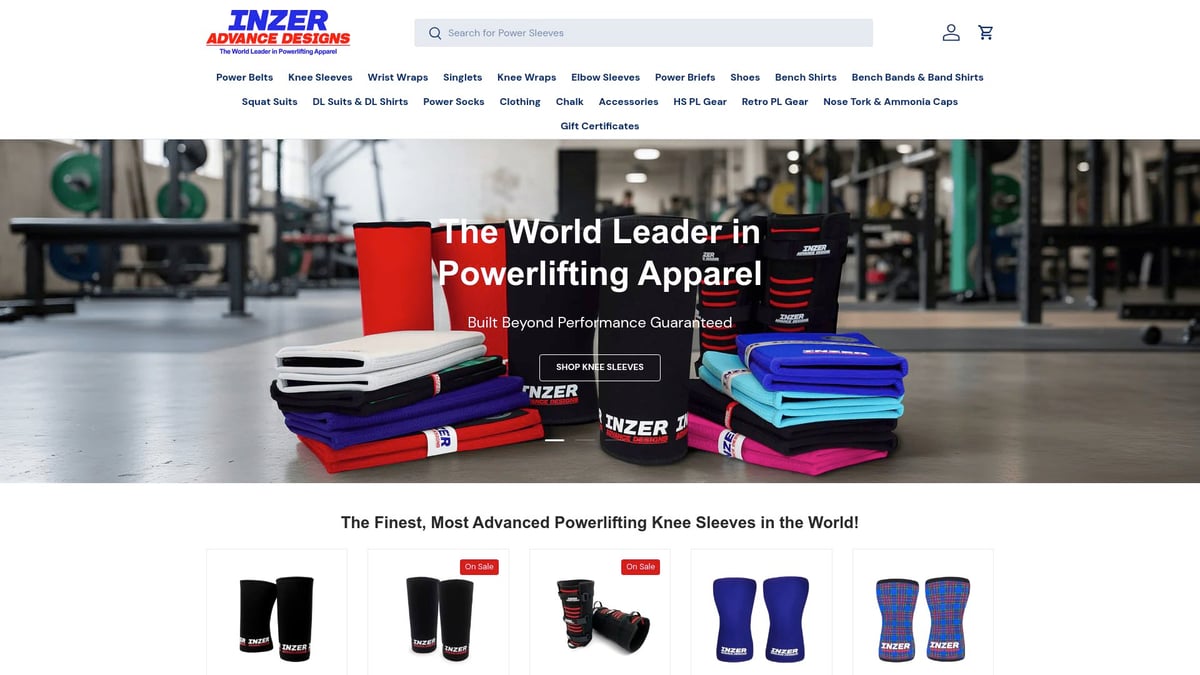
Built from genuine leather and available in both 10mm and 13mm thicknesses, the Inzer Forever features a patented lever buckle for rapid adjustments. As an IPF-approved belt, it’s a go-to for anyone competing at the highest levels. Its rigidity and support are legendary, making it ideal for maximum-effort lifts.
What makes the Inzer Forever one of the top good powerlifting belts is its combination of durability and customizable style. You can choose from a variety of colors to match your personal taste. The belt is known for a stiff break-in period, but once molded to your body, it becomes an extension of your lifting gear.
A standout feature is the lifetime warranty, which speaks volumes about the company’s confidence in its product. While the premium price may turn off some beginners, serious strength athletes will find the investment worthwhile. If you want a belt that’s stood the test of time and continues to set the standard for good powerlifting belts, the Inzer Forever Lever Belt remains a top contender in 2026.
SBD Powerlifting Belt
The SBD Powerlifting Belt is often considered the gold standard among good powerlifting belts, especially for elite competitors. Priced between $250 and $270, it’s one of the most expensive options, but its craftsmanship and performance justify the cost for dedicated athletes.
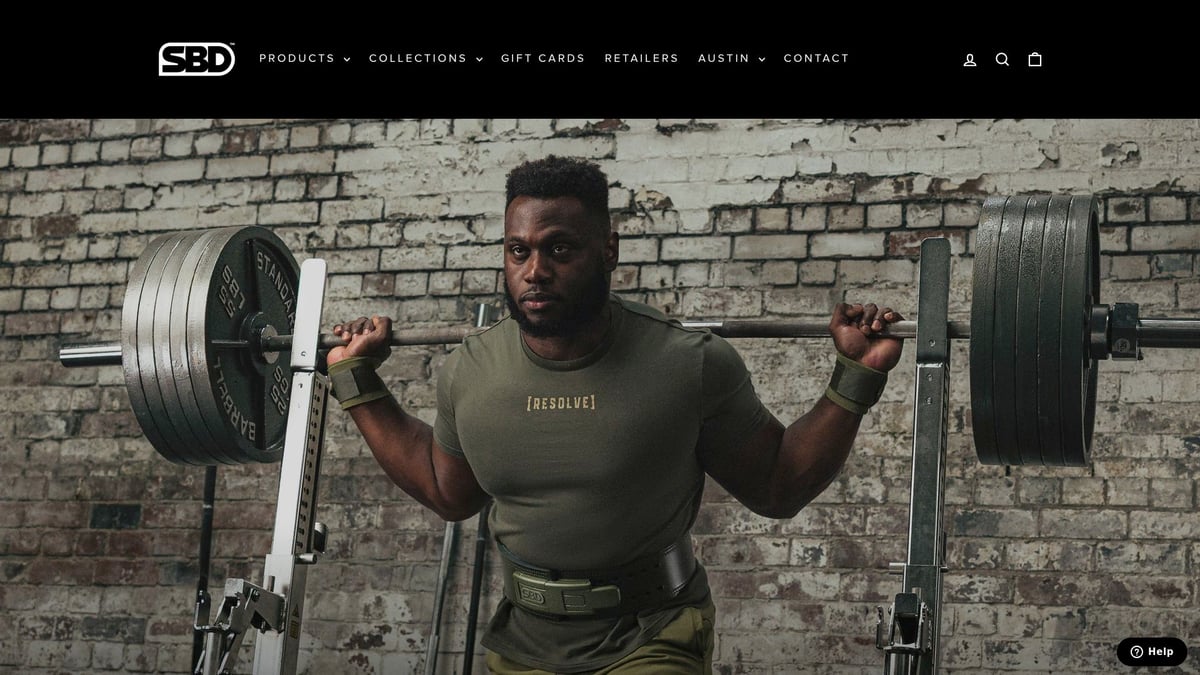
Constructed from high-quality English leather, the SBD belt features a precision-engineered buckle and a robust 13mm thickness. It’s IPF approved, meeting strict competition standards. The belt’s minimal flex and secure fit make it ideal for lifters seeking maximum rigidity and stability during their heaviest lifts.
What truly sets the SBD apart from other good powerlifting belts is its exceptional attention to detail. The brand is renowned for its customer support and the prestige associated with its products. While color options are limited, the classic design appeals to those who value tradition and performance.
Although the SBD Powerlifting Belt is a significant investment, it’s built to last and consistently performs at international powerlifting meets. If you’re aiming for the podium or want the best in support and durability, the SBD belt is one of the good powerlifting belts you should consider in 2026.
Rogue Ohio Lifting Belt
The Rogue Ohio Lifting Belt is an excellent choice for those looking for good powerlifting belts that balance comfort, performance, and value. With a price tag between $120 and $140, it’s accessible for intermediate lifters and serious gymgoers.
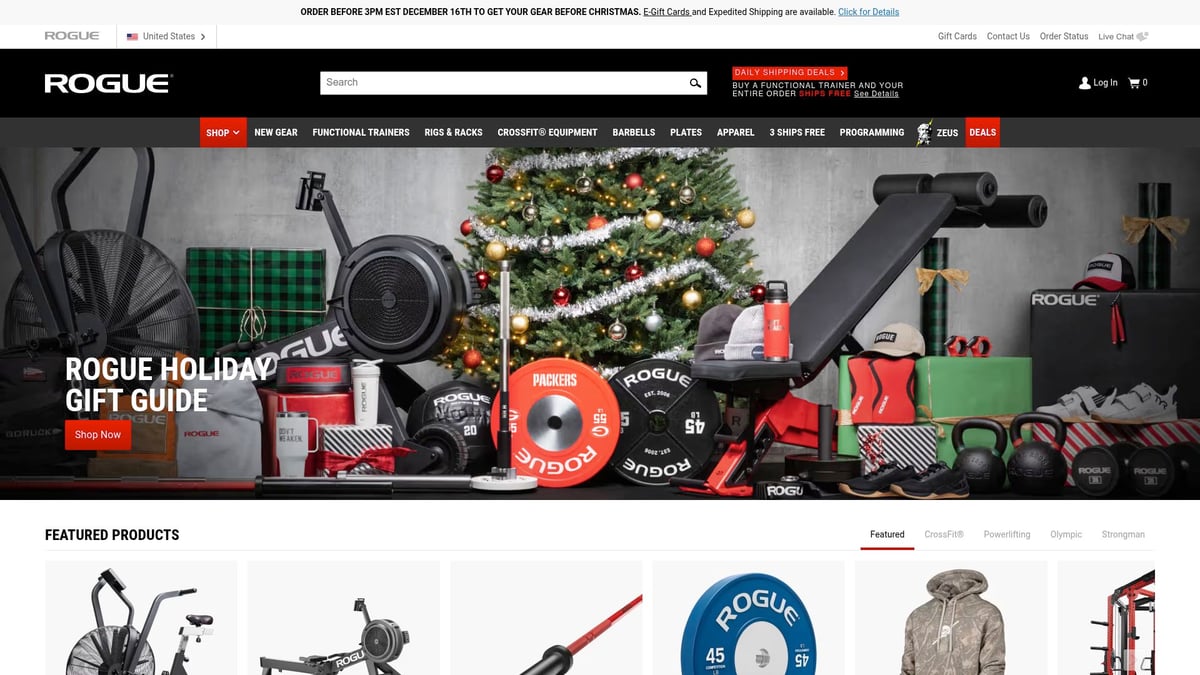
Made in the USA from vegetable-tanned leather, this belt is 4 inches wide and uses a single-prong buckle. The material is supple, making for a quick break-in period and a comfortable fit right out of the box. Its versatility allows it to perform well in powerlifting, CrossFit, and general strength training.
A key reason the Rogue Ohio stands out among good powerlifting belts is its robust construction and flexibility. While the prong buckle can be slower to adjust compared to lever models, it offers a more custom fit. The belt may stretch slightly over time, but with proper care, it remains durable and supportive.
This belt has been featured in Rogue Invitational competitions, further cementing its reputation. If you want a reliable and comfortable choice among good powerlifting belts that adapts to various lifting styles, the Rogue Ohio Lifting Belt is a strong contender for 2026.
Strength Shop Lever Belt
The Strength Shop Lever Belt is a top pick for lifters who want good powerlifting belts without breaking the bank. Priced between $80 and $110, it delivers reliability and performance at a budget-friendly cost.
Available in both 10mm and 13mm thicknesses, the Strength Shop belt features a robust lever buckle and is IPF approved. Its wide range of sizes makes it suitable for lifters of all shapes, and the lever mechanism ensures fast and secure adjustments.
This belt is popular in UK and European powerlifting communities, thanks to its simple yet effective design. While it may lack extensive customization options, it excels in providing the core features most lifters need from good powerlifting belts.
Global shipping and a strong reputation for value make this belt a favored choice among beginners and intermediates. If you’re just starting your lifting journey or want a backup belt, the Strength Shop Lever Belt offers excellent value and ranks high among good powerlifting belts for 2026.
Pioneer Cut Powerlifting Belt
The Pioneer Cut Powerlifting Belt is a unique entry among good powerlifting belts, known for its patented half-inch hole spacing that allows micro-adjustments for the perfect fit. Priced between $110 and $160, it offers custom leatherwork and a prong buckle.
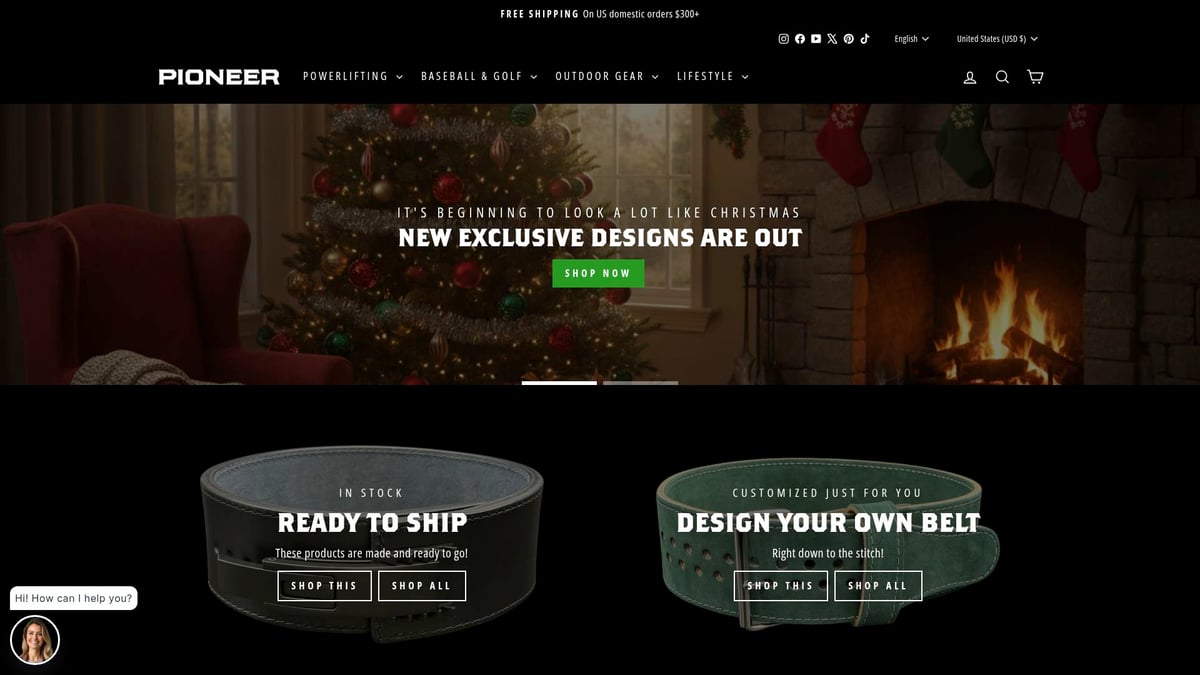
Handcrafted in the USA, this belt is customizable in terms of color and logo, making it a favorite for lifters who want a personal touch. The prong buckle, while slower to adjust than lever types, provides a secure, tailored fit. The comfortable, contoured design ensures it molds to your body over time.
One of the most praised aspects of the Pioneer Cut is its adjustability, which is rare among good powerlifting belts. Custom orders may have lead times, but the quality and comfort are worth the wait.
Widely reviewed for its comfort and precision, the Pioneer Cut is ideal for those who value both function and style. If you want a belt that is as unique as your lifting journey, this is one of the good powerlifting belts to watch in 2026.
Gymreapers Quick Locking Belt
The Gymreapers Quick Locking Belt is a standout among good powerlifting belts for those who want a lightweight, versatile, and travel-friendly option. Priced between $50 and $70, it’s the most affordable belt on this list, making it perfect for beginners and recreational lifters.
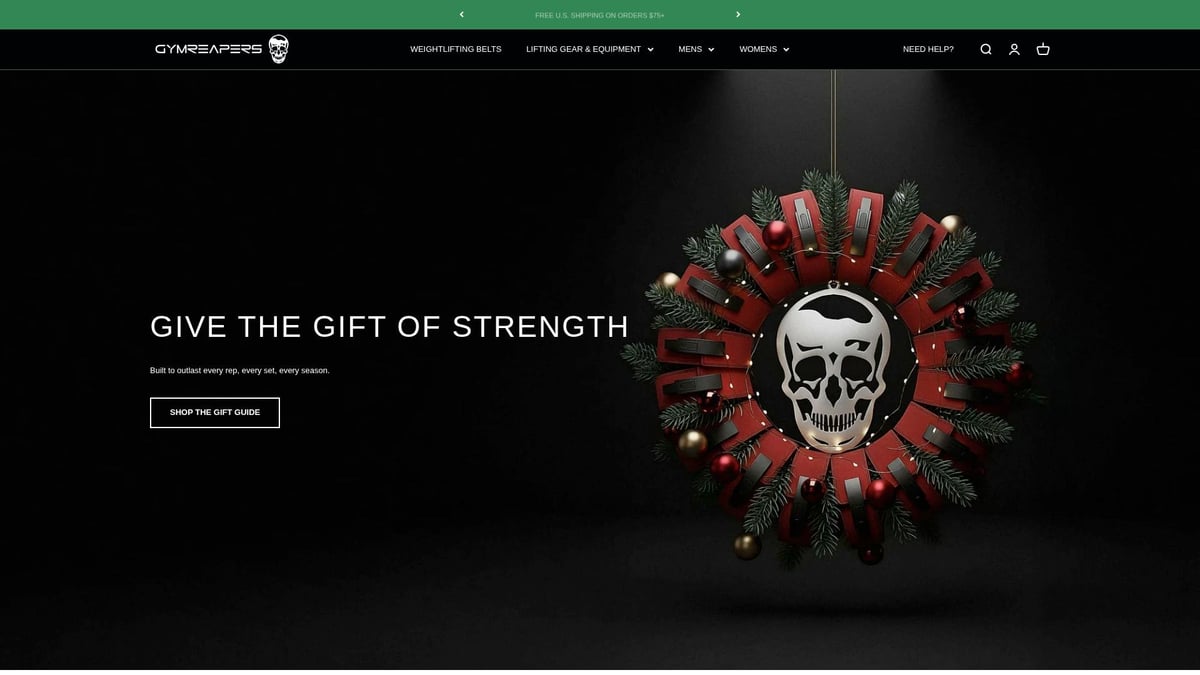
Constructed from durable nylon, the Gymreapers belt features a quick-locking buckle and a 4-inch width, offering support for both powerlifting and functional fitness. It’s not IPF approved, but its versatility makes it suitable for a variety of training environments.
The lightweight nature of this belt means you can pack it in your gym bag or suitcase without hassle. While it’s less rigid than leather options, it provides enough support for most lifts and is highly rated on Amazon for its all-purpose utility.
If you’re searching for good powerlifting belts that are easy to use, comfortable, and don’t break the bank, the Gymreapers Quick Locking Belt is an excellent entry-level choice for 2026.
How to Choose the Right Powerlifting Belt for Your Needs
Selecting good powerlifting belts starts by understanding your own goals and preferences. The right choice can boost your performance, provide essential support, and prevent injuries. Let’s break down the steps to finding your ideal belt.
Assessing Your Training Goals
Before diving into features, clarify why you need good powerlifting belts. Are you prepping for a competition, building general strength, or mixing powerlifting with other styles? For competition, ensure your belt is IPF-approved and meets size regulations. General strength training allows more flexibility in style and design. Hybrid trainers benefit from belts that adapt to a range of lifts. Matching your belt to your goals will guide the rest of your choices.
Sizing and Fit Considerations
Proper sizing is key for good powerlifting belts to work effectively. Measure your waist at the point where you’ll wear the belt, typically around your navel. Avoid common mistakes like ordering your pants size or measuring over bulky clothing. Industry data suggests that 70% of belt returns are due to incorrect sizing. Many brands provide sizing charts, but when in doubt, contact customer support for guidance.
- Measure at your lifting waist, not hips
- Consult brand-specific size charts
- Beware of belts that are too large or too small
A well-fitted belt should feel snug but not restrictive, allowing you to brace properly.
Material and Buckle Type Selection
The material and buckle mechanism play a huge role in how good powerlifting belts feel and function. Leather belts offer rigidity and longevity, while nylon models provide flexibility and comfort. Hybrid options blend both for versatility. Buckle types include lever, prong, and quick-lock, each with unique pros. Lever buckles are ideal for fast adjustments, prong buckles allow micro-tuning, and quick-locks suit functional training. For a deeper dive into these features, check out this Weightlifting belt buying guide for expert insights.
Budget and Warranty
Good powerlifting belts come in a wide price range. Entry-level belts typically cost less but may lack premium materials or advanced features. Mid-range options balance quality and affordability, while high-end models offer top-tier materials and craftsmanship. Look for belts with solid warranties and responsive customer service, as these signal long-term value. Investing wisely up front can save money on replacements later.
- Entry-level: basic materials, short warranties
- Mid-range: improved comfort, better support
- Premium: top materials, long warranties, custom features
Always check the warranty terms before buying.
Brand Reputation and Reviews
Trustworthy brands consistently deliver good powerlifting belts that meet lifters’ needs. Scan customer reviews for feedback on durability, comfort, and support. A transparent return policy is a plus, especially for online purchases. Third-party reviews and independent testing can also help you gauge real-world performance. Prioritize brands with a history of quality and strong customer support for peace of mind.
Powerlifting Belt Care and Maintenance Tips
Keeping your good powerlifting belts in top shape is the key to long-term support and performance. Proper care not only extends the life of your belt, but also ensures safety and reliability during your lifts. Let's break down the best practices for cleaning, storing, and maintaining your belt.
Cleaning Your Belt
Leather good powerlifting belts need gentle cleaning. Wipe down the surface with a damp cloth after each session to remove sweat and chalk. For a deeper clean, use a small amount of mild soap and water, but avoid soaking the leather. Synthetic belts can be wiped with disinfectant wipes, but always dry them thoroughly. For detailed material care info, check out this Powerlifting Belt Materials and Construction guide.
Storage Tips
Store your belt flat or loosely rolled to prevent creasing. Keep it away from direct sunlight, heat, and moisture, which can dry out leather or degrade synthetic materials. A cool, dry gym bag works well for daily storage.
Breaking In and Daily Use
New good powerlifting belts can be stiff. To break them in, wear the belt during warm-ups and gradually increase usage. Avoid excessive bending or forceful twisting, which can damage the belt’s structure.
Inspecting for Wear and Damage
Check your belt regularly for cracks, fraying, or worn buckle holes. If you spot excessive wear, especially near the buckle or stitching, it may be time for a replacement. Safety always comes first.
Buckle and Conditioning Maintenance
Keep lever and prong buckles free of chalk buildup. Lubricate moving parts with a drop of light oil if they become squeaky or hard to adjust. For leather belts, apply a leather conditioner every few months to prevent cracking and maintain flexibility. Regular conditioning is especially important for good powerlifting belts used in humid or dry climates.
| Care Task | Frequency | Benefit |
|---|---|---|
| Clean after use | Every session | Prevents odor, bacteria |
| Condition leather | Every 2–3 months | Prevents cracks, extends life |
| Inspect for damage | Monthly | Ensures safety |
| Lubricate buckle | As needed | Smooth operation |
With just a little attention, your good powerlifting belts can last years. Proper care can extend a belt’s lifespan by two to three years, saving you money and boosting your confidence every time you lift.
Powerlifting Belt FAQs for 2026
Curious about good powerlifting belts and how to get the most from them? Here are answers to the most common questions lifters have in 2026.
How often should you replace a powerlifting belt?
Most good powerlifting belts last 3 to 7 years with proper care. Inspect regularly for wear.
Can you use the same belt for squats and deadlifts?
Yes, many lifters use one belt for both lifts, but some prefer different thicknesses or widths for each. For more details on types, check out this guide to lifting belt types and uses.
Are lever or prong belts better for beginners?
Prong belts offer more gradual adjustments, making them a solid starter choice. Lever belts are faster to secure but may require more precise sizing.
What’s the difference between a powerlifting belt and a weightlifting belt?
Powerlifting belts are wider and more rigid, designed for maximum support, while weightlifting belts taper and allow more flexibility.
Do belts help prevent all types of lifting injuries?
Good powerlifting belts support your core and help reduce injury risk, but they don’t prevent all injuries. Always use proper form and training technique.
If you’re serious about making gains in 2026, finding the right powerlifting belt is key to safer lifts and better performance. We’ve covered the essentials, from advanced materials to unique designs and real-world durability, to help you pick what truly fits your style and needs. Whether you’re chasing PRs or just want gear that lasts, investing in premium equipment really pays off—both for your lifts and your confidence. Ready to upgrade your setup with something built to last and look good in the gym? Build your setup
