 30-Day Money Back Guarantee


The best gym aesthetics are obvious before the first warm-up set. Not because someone is wearing the loudest graphic or chasing a perfect mirror photo, but because every piece has a purpose. The fit is intentional. The gear looks ready for work. Nothing feels borrowed from a trend that disappears the minute the bar gets heavy.
For serious lifters, style is not separate from performance. It is the visual standard you set when you walk in, load plates, and train with focus. Your training look should support that standard, not distract from it.
Gym Aesthetics Start With a Training Identity
A strong gym look is easier to build when you stop dressing for every possible workout and start dressing for the way you actually train. A powerlifter, bodybuilder, and general strength athlete may all wear black shorts, but the details tell a different story: the silhouette, the support gear, the fabric choice, and how the outfit moves under effort.
Start with one question: what should your training presence communicate? Maybe it is stripped-back and disciplined. Maybe it is aggressive, dark, and built around bold graphics. Maybe it is clean, athletic, and minimal. None is inherently better. What matters is that your apparel, accessories, and routine all point in the same direction.
Random gear makes even expensive pieces look forgettable. A considered uniform makes a simple fit feel deliberate. Choose a core color palette you can repeat without thinking. Black, charcoal, washed gray, deep green, navy, and cream all work because they pair easily with lifting accessories and do not show every mark from a hard session. Add color through one controlled detail, such as a graphic shirt, belt, or pair of sleeves, instead of stacking competing statements.
Build the Fit Around Movement, Not the Mirror
The mirror is part of gym culture, but it is a bad sole decision-maker. Clothing that looks sharp standing still can become restrictive, ride up during squats, or twist during rows. Aesthetic training apparel has to survive the movements you repeat most.
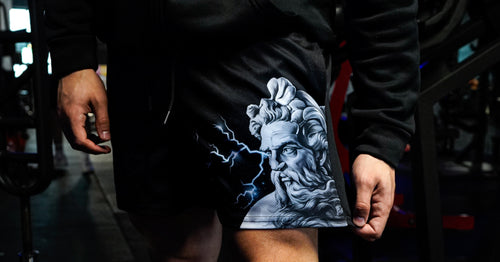
Training shorts should allow you to brace, hinge, and move through full depth without constant adjustment. Compression layers can create a more structured silhouette while keeping your setup clean under a hoodie or oversized tee. A heavier outer layer can be useful for warm-ups, early mornings, and that locked-in feeling before a top set, but it should come off easily when the real work starts.
Fit is where most people miss. Oversized does not mean shapeless, and fitted does not mean painted on. The goal is controlled proportion. If your shirt is relaxed, keep the lower half clean and athletic. If you wear compression on top, balance it with shorts that have room to move. If you use a hoodie, avoid piling bulky layers underneath until your posture and range of motion feel compromised.
There is also a practical trade-off. The more dramatic the silhouette, the more it may limit versatility. An oversized pump cover can create a strong look for upper-body training, but it may feel cumbersome on high-volume leg days. Build around the session rather than forcing one outfit to do everything.
Let Your Gear Earn Its Place
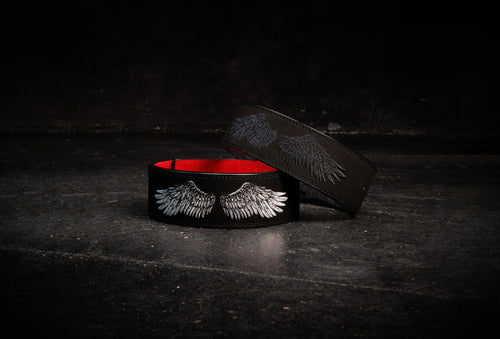
The difference between costume and gym aesthetics is function. A lever belt, knee sleeves, wrist wraps, and straps can make a training setup look more serious because they signal preparation. But they should be there because you use them well, not because they complete a photo.
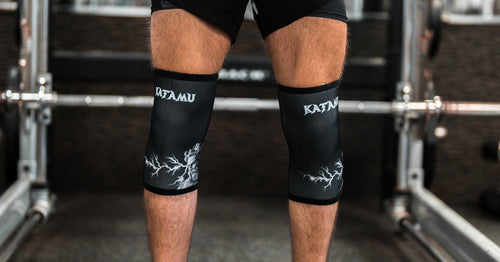
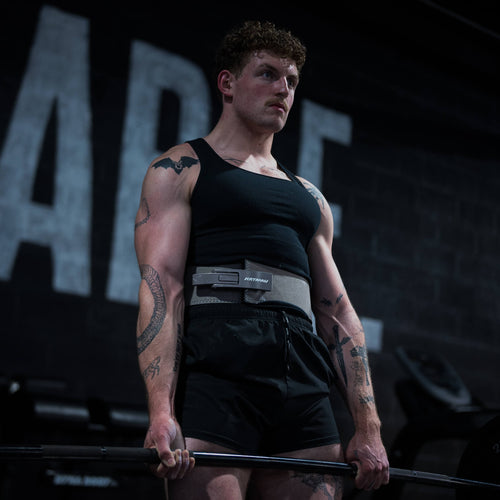
Use support gear where it fits your programming and technique. A belt can help you create a consistent brace on challenging compound lifts. Knee sleeves may provide warmth and a more secure feel during demanding lower-body work. Wrist wraps can offer extra support when pressing, while straps can help you keep grip from limiting certain pulling movements. Each tool has a job. Treating every accessory as mandatory is not a higher level of training.
Condition matters as much as selection. Frayed wraps, cracked material, stretched-out sleeves, and gear thrown loose into a bag kill the premium look quickly. Keep your equipment clean, dry it out after training, and replace pieces that no longer do their job. Durability is part of the aesthetic because a worn-out setup does not communicate commitment. It communicates neglect.
Katamu is built for lifters who want that line between performance and identity to feel intentional, from serious support gear to apparel that belongs under the bar.
Create a System for Your Gym Bag
Your bag is usually the least visible part of your fit, but it decides whether the rest of your setup stays sharp. A disorganized bag leads to crushed clothes, wet gear pressed against clean apparel, shoes touching everything, and a belt that is never where you thought it was.
Treat your gym bag like the equipment station it is. Keep your lifting gear together, separate your shoes from clothing, and give damp items their own space after training. That small amount of organization changes the whole experience. You arrive prepared, transition between work and the gym without digging through a mess, and do not have to wear yesterday's sweat back into the building.
This is especially valuable when training fits between classes, shifts, errands, or travel. A serious gym aesthetic is not just what you wear for the mirror. It is the discipline of being ready to train when your schedule gets tight.
Avoid the Common Mistakes
Trying too hard is the fastest way to make a strong look feel weak. Not every session needs a new outfit, every accessory, or an attention-grabbing statement. Repeating a reliable combination is better than forcing variety that does not fit your training.
Avoid wearing gear that is too clean for the work you claim to do. This does not mean your apparel should be dirty or neglected. It means the look should make sense in context. A belt that is actually used, sleeves that support your lower-body days, and clothing that moves well under load will always carry more presence than a perfectly styled setup with no training behind it.
Also, do not confuse expensive with elevated. Price can reflect better materials, construction, and design, but the real upgrade is intention. A smaller rotation of well-chosen apparel and reliable accessories will look more cohesive than a closet full of disconnected impulse buys.
Make the Look Sustainable
The best training style is repeatable. You should be able to get dressed for a hard session in two minutes and know the outfit will work. Build a rotation around a few shirts, a few training bottoms, one or two layers, and the accessories your program truly calls for. Save limited drops or more expressive pieces for days when you want extra edge, but keep dependable staples at the center.
Your gym aesthetics should evolve as your training does. The lifter who trains consistently develops preferences: a certain sleeve feel, a shirt cut that never gets in the way, a belt setup that makes bracing automatic, a bag that keeps the day organized. Those details become personal because they were earned through repetition.
Show up in gear that can handle the work, keep it organized, and wear it like you belong under the weight. The strongest look in any gym is still a lifter whose preparation matches their intent.
