 30-Day Money Back Guarantee

Are you maximizing your lifts, or risking injury every time you step into the gym? The right gym workout belt could be the difference between hitting new personal records and facing painful setbacks.
This essential 2026 guide will demystify the gym workout belt, giving you clear steps to select, use, and maintain the perfect belt for your fitness journey. You will discover the science behind belts, the latest types and features, expert selection tips, proper techniques, and answers to your biggest questions.
Ready to unlock better safety, support, and gains? Dive in and transform your approach to lifting with the right gym workout belt.
Understanding Gym Workout Belts: Purpose & Science
Choosing the right gym workout belt is about more than just strapping on a piece of gear. To truly benefit, you need to understand how these belts work, when to use them, and which type is best suited to your training. Let's break down the science and practical insights for smarter, safer lifting.
The Role of a Gym Workout Belt
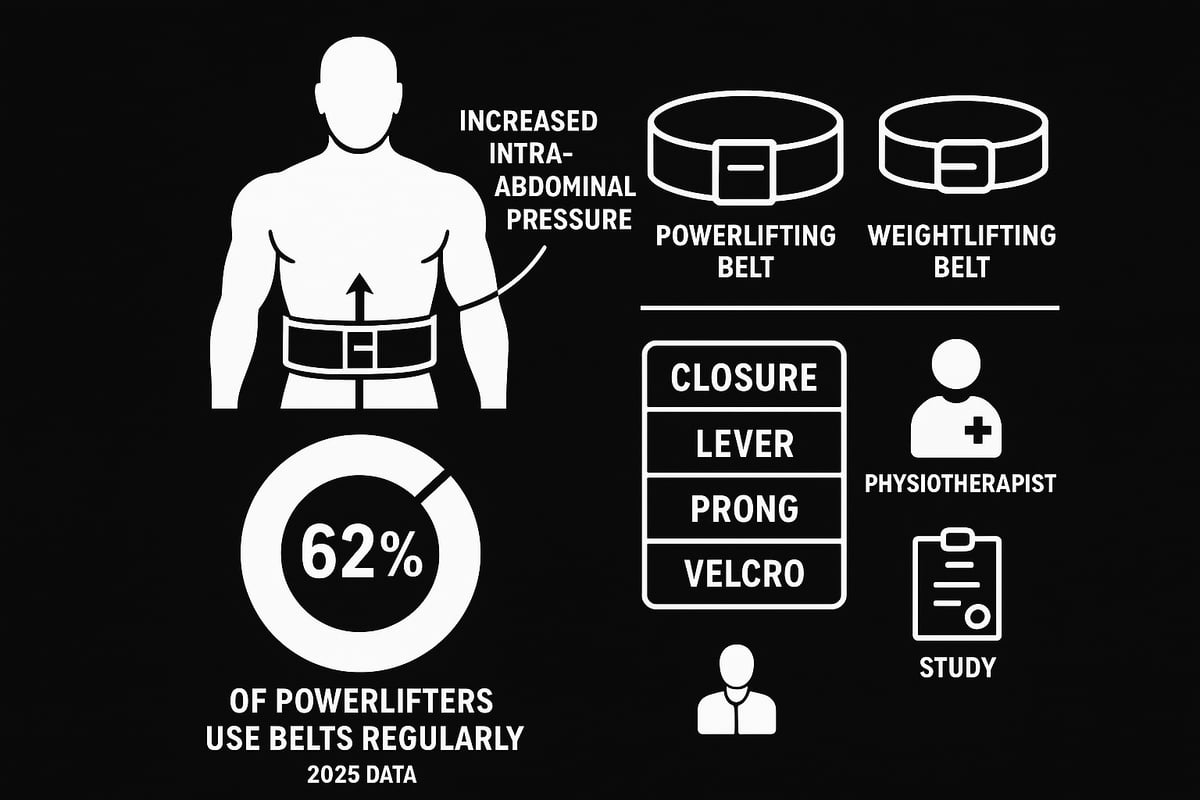
A gym workout belt plays a crucial role in stabilizing your core during heavy lifts. By increasing intra-abdominal pressure, the belt acts like a supportive wall around your midsection. This pressure helps brace your spine, reducing the risk of lower back injuries, especially during squats and deadlifts.
Biomechanically, the gym workout belt allows you to transfer more force from your lower body to the barbell. However, it is a common myth that belts replace proper form or core strength. In reality, they complement good technique and should not be used as a crutch.
Studies show that proper belt use can cut spinal compression by up to 25 percent. For example, powerlifters rely on belts for maximal lifts, while Olympic lifters may use them selectively for clean and jerk or snatch. Physiotherapists often recommend belts for experienced lifters pushing heavy loads, but not for every set.
For a deeper dive into how belts impact squat performance and muscle activation, see this Effectiveness of Weight Belts in Squat Performance summary.
When Should You Use a Gym Workout Belt?
You should reach for a gym workout belt during high-intensity lifts like heavy squats, deadlifts, or overhead presses. For accessory work or lighter sets, going belt-free helps build natural core strength.
Overusing a gym workout belt can lead to reliance, so it is best reserved for sets near your maximum effort. Signs you need a belt include feeling unstable under heavy loads or experiencing back fatigue during compound lifts.
Not everyone benefits from belt use. Beginners should focus on mastering technique first. Those with certain injuries may need to avoid belts altogether, based on professional advice.
According to a 2025 survey, 62 percent of powerlifters use a gym workout belt regularly, while casual lifters are less likely to depend on one.
Types of Belts and Their Differences
There are several types of gym workout belt, each suited for specific training styles. Powerlifting belts are usually thicker, wider, and uniformly shaped, offering maximum support. Weightlifting belts taper at the sides for greater mobility during Olympic lifts.
Closures also vary:
- Lever: Quick, ultra-tight, best for heavy powerlifting.
- Prong: Adjustable, classic feel, versatile.
- Velcro: Lightweight, fast-release, ideal for CrossFit or dynamic training.
Materials include leather for stiffness and durability, suede for extra grip, and nylon for flexibility and comfort. In 2026, more gender-specific and unisex designs are available, ensuring a better fit for all body types.
Here is a quick comparison:
| Belt Type | Thickness/Width | Closure | Best For |
|---|---|---|---|
| Powerlifting | 10-13mm/4 inch | Lever | Max strength lifts |
| Weightlifting | 6mm/tapered | Prong | Olympic lifts |
| CrossFit/General | 4mm/4 inch | Velcro | Dynamic training |
Selecting the right gym workout belt means understanding these differences and matching them to your goals.
Key Features to Look for in a 2026 Gym Workout Belt
Choosing the right gym workout belt in 2026 means understanding the latest features that truly make a difference. With new technologies and design improvements, it's easier than ever to find a belt that meets your needs for safety, support, and performance.
Material Innovations and Durability
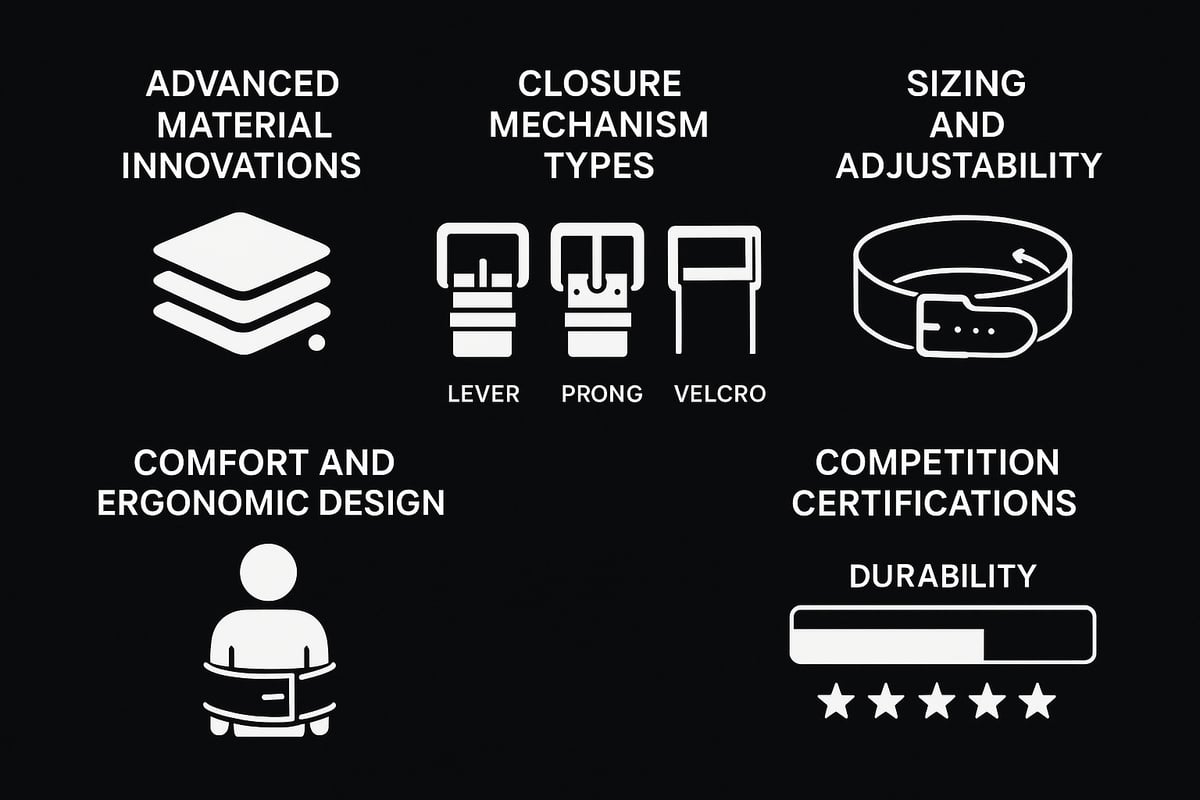
The foundation of any reliable gym workout belt is its material. In 2026, you'll find belts made from premium leather, advanced synthetics, and eco-friendly options. Modern leather belts now use improved tanning processes for better toughness and flexibility. Synthetic belts, including vegan choices, offer lightweight strength and superior sweat resistance with the latest lining technologies.
Here's a quick comparison:
| Material | Durability | Comfort | Eco-Friendly |
|---|---|---|---|
| Leather | High | Medium | No |
| Synthetic | Medium | High | Yes |
| Vegan | Medium | High | Yes |
If you want a gym workout belt that lasts, look for reinforced stitching and water-resistant linings. These upgrades help prevent cracking and odor buildup, extending the lifespan of your gear.
Closure Mechanisms: Lever, Prong, Velcro
The closure system is crucial for both security and convenience. Lever buckles allow for quick, one-handed adjustments and provide a locked-in feel, making them a favorite for powerlifters. Prong buckles offer classic reliability and more size options, which is great for users who want flexibility. Velcro closures, on the other hand, are lightweight and easy to fasten, ideal for CrossFit or circuit training.
Here's a side-by-side look:
| Closure | Adjustability | Speed | Best Use |
|---|---|---|---|
| Lever | Low | Fast | Powerlifting |
| Prong | High | Medium | General lifting |
| Velcro | High | Fast | Dynamic training |
For more tips on selecting the right closure for your gym workout belt, check out this guide on choosing the best weightlifting belt.
Sizing, Fit, and Adjustability
A well-fitted gym workout belt ensures proper support and comfort. Start by measuring your waist at the navel while standing relaxed. Most brands provide a sizing chart—always check before purchasing. Width and thickness matter, too: a 4-inch belt is standard for most lifters, while 6-inch options offer extra coverage for taller individuals. Thickness varies from 10mm for flexibility to 13mm for maximum support.
If you tend to fluctuate in weight or wear thicker gym clothes, consider belts with multiple adjustment points. This ensures your gym workout belt remains snug and effective during every session.
Comfort and Ergonomics
Comfort is more than just padding; it's about thoughtful design. In 2026, gym workout belt manufacturers are focusing on anatomical shapes that contour to your body, reducing pressure points. Many models now include anti-slip linings to prevent shifting, as well as moisture-wicking fabrics for better sweat management.
Look for gender-specific fits and inclusive sizing, which ensure your gym workout belt supports you without restricting movement. Features like contoured edges and quick-drying linings can make a big difference, especially during long workouts.
Certifications and Standards
If you're planning to compete, or simply want peace of mind, check that your gym workout belt meets recognized certifications. IPF, USAPL, and USPA have specific requirements for width, thickness, and closure types. Some belts now display safety certifications for general gym use, too.
Here's a summary:
- IPF/USAPL/USPA: Up to 13mm thick, max 10cm wide, lever or prong closures only
- CrossFit: More flexible, but Velcro closures are common
- General use: Look for safety-tested labels
Choosing a certified gym workout belt means you can train or compete with confidence, knowing your gear is both legal and safe.
Step-by-Step Guide: How to Choose the Right Gym Workout Belt
Choosing the right gym workout belt can feel overwhelming, but breaking the process into clear steps makes it easy. Here is your practical, step-by-step guide to finding the perfect match for your lifting style, body, and goals.
Step 1: Define Your Training Goals
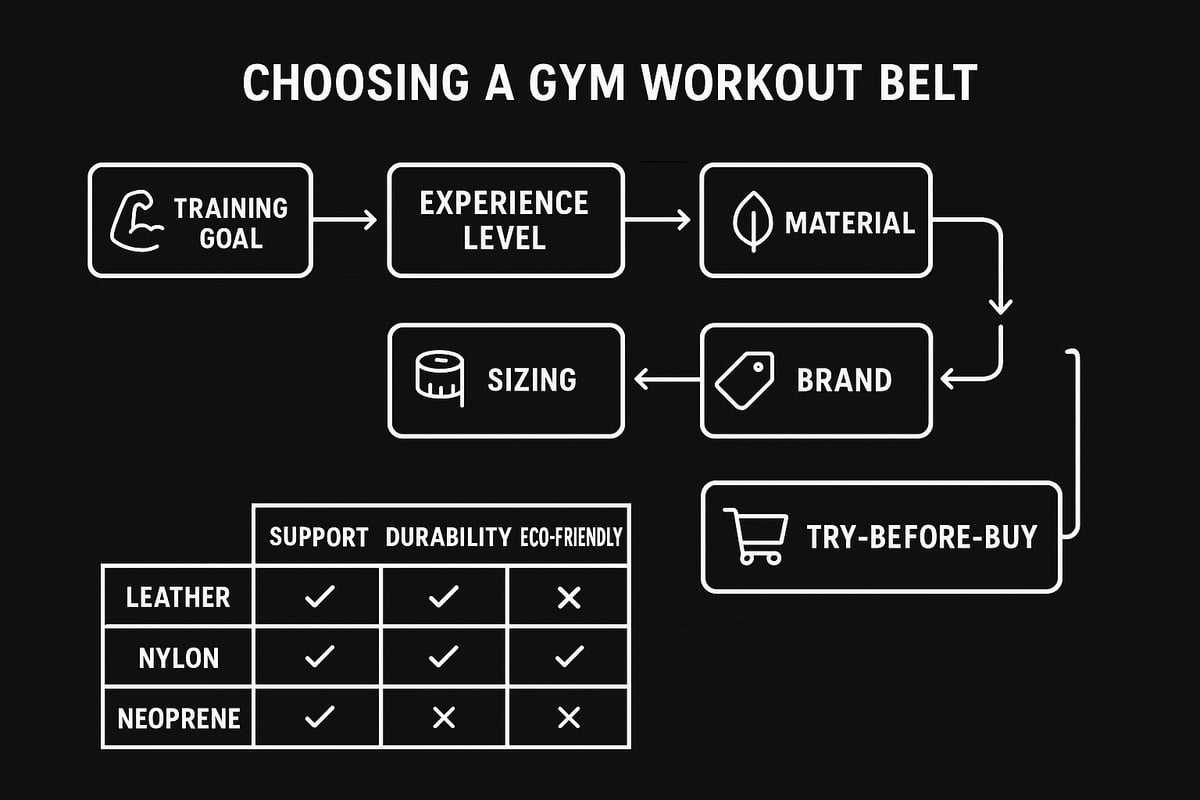
Start by identifying your primary training focus. Are you a powerlifter chasing heavy singles, a CrossFit athlete seeking versatility, or someone aiming for general strength? Your gym workout belt should match your main lifts and intensity. Powerlifters and strongman athletes usually need maximum support for heavy squats and deadlifts. Olympic weightlifters may prefer a more flexible belt for dynamic movement. If you do mostly accessory work or moderate weights, a lighter option may suffice. Clarifying your goals ensures you do not over- or under-buy for your needs.
Step 2: Assess Your Experience Level and Body Type
Next, consider your lifting experience and body shape. Beginners often benefit from building core strength before relying on a gym workout belt, while advanced lifters can leverage belts for maximal lifts. Body type matters too. A longer torso may require a wider belt for better coverage, while a shorter waist benefits from a narrower fit. Measure your waist at the navel and note your proportions. This step helps you get a belt that supports you without restricting movement or causing discomfort.
Step 3: Select the Right Material and Closure
Material and closure mechanism play a big role in both comfort and performance. Leather belts offer unmatched support and are ideal for heavy lifting. Nylon belts provide flexibility and are great for CrossFit or Olympic lifting. Closure types include lever, prong, and Velcro. Lever closures are quick and secure, perfect for powerlifters. Prong buckles offer adjustability and a classic feel. Velcro is lightweight and easy to adjust on the fly. Choose a gym workout belt material and closure that fit your training style and preferences.
Belt Material and Closure Comparison
| Material | Pros | Cons |
|---|---|---|
| Leather | Maximum support, durability | Needs break-in, heavier |
| Nylon | Flexible, lightweight | Less rigid support |
| Suede | Soft feel, good grip | Less durable than leather |
| Closure | Best For | Notes |
|---|---|---|
| Lever | Powerlifting | Quick, tight fit |
| Prong | Versatility | Adjustable |
| Velcro | CrossFit | Fast, easy |
Step 4: Find Your Ideal Size and Fit
Proper fit is critical for safety and comfort. Use a tape measure around your waist, just above your navel, to find your size. Check the manufacturer's sizing chart, as gym workout belt sizes differ by brand. Consider if you will wear the belt over clothing or need room for layering. For women or lifters with unique proportions, gender-specific options may offer a better fit. For more details, see Lifting belt options for women to ensure your belt matches your body and needs.
Step 5: Check Quality, Warranty, and Brand Reputation
Do not overlook quality and support. Look for a gym workout belt with strong stitching, sturdy buckles, and a reputable brand. A solid warranty and responsive customer service can make a big difference if you have sizing issues or defects. Read reviews to spot common problems or counterfeit products. Trusted brands often provide better durability and peace of mind, especially for frequent lifters. Investing in quality now saves money and hassle later.
Step 6: Try Before You Buy (If Possible)
Whenever possible, test a gym workout belt in person. Fasten the belt, perform a few air squats or deadlifts, and check for pinching or slipping. The right belt should feel snug but not suffocating. If buying online, look for retailers with clear return policies and virtual sizing tools. Do not hesitate to exchange if the fit is off. A proper trial ensures the belt you choose will truly support your training and help you reach your goals.
How to Use a Gym Workout Belt Safely and Effectively
Mastering the safe and effective use of a gym workout belt is essential for maximizing your training results and protecting your body. Let’s break down how to make the most of your belt in every workout, ensuring you get both support and long-term progress.
When and How to Wear Your Belt
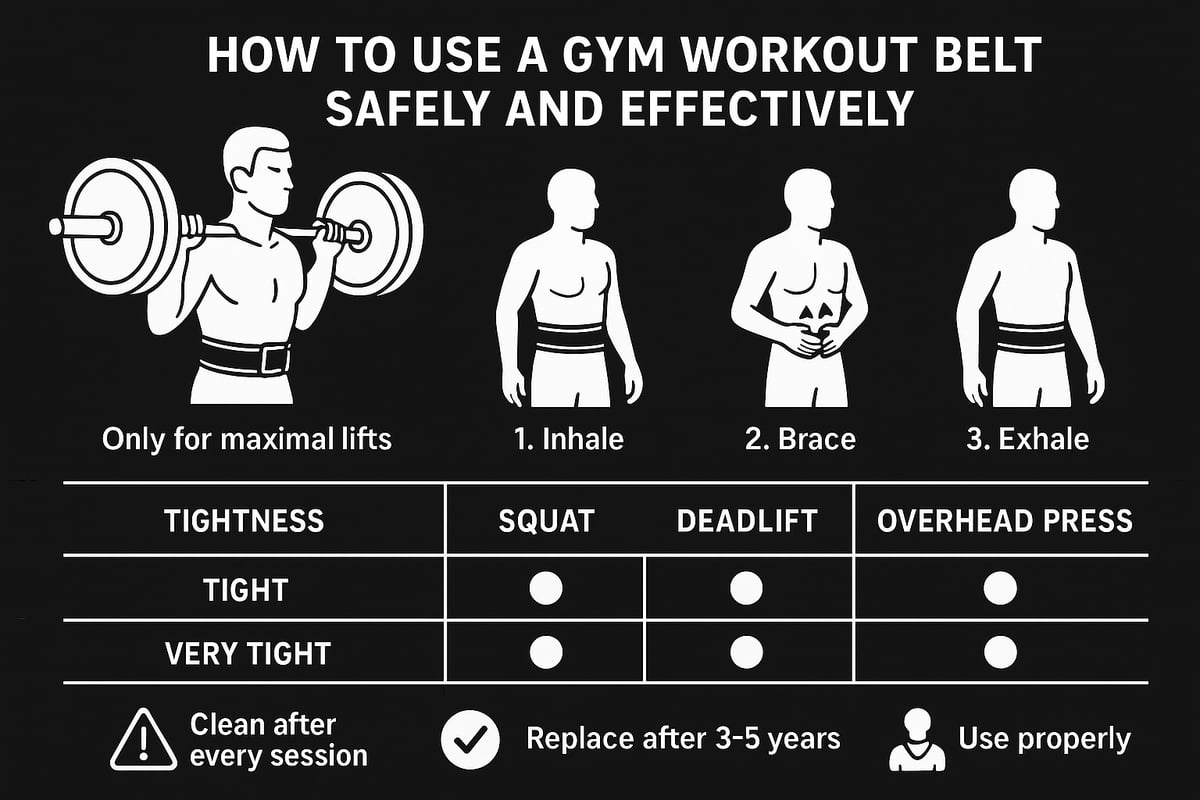
A gym workout belt should be worn around your core, just above the hips and below the ribs. This placement maximizes intra-abdominal pressure, stabilizing your spine during heavy lifts.
Only use your gym workout belt for maximal or near-maximal efforts, such as heavy squats or deadlifts. Avoid wearing it for warm-ups or accessory work. Focus on proper breathing and bracing: take a deep breath into your belly, push outward against the belt, and hold this tension through the lift. This technique increases core stability and reduces injury risk.
Step-by-step bracing drill for squats and deadlifts:
- Place the gym workout belt snugly around your midsection.
- Inhale deeply through your nose, expanding your abdomen.
- Push your core out against the belt, creating 360-degree tension.
- Hold the brace as you perform the lift, exhaling only at the top.
Adjusting Tightness and Position
Finding the right tightness for your gym workout belt is crucial. The belt should feel snug but not restrictive—too tight and you’ll struggle to breathe, too loose and it won’t provide support.
Adjust the belt’s position depending on the lift. For squats, a slightly lower placement often feels better, while overhead presses might require moving the belt up a bit. Avoid common mistakes like wearing the belt unevenly or placing it too high on your ribs.
Signs of over-tightening include numbness, bruising, or trouble taking a full breath. Always check the belt’s fit before each set.
Integrating the Belt into Your Training
Introduce your gym workout belt gradually, especially if you’re new to lifting with one. Start by using it only for your heaviest sets, then assess how your core feels during and after workouts.
Don’t let the belt replace core training. Incorporate planks, anti-rotation exercises, and other core work into your routine. Over time, you’ll learn when to add or remove the belt for different exercises.
Sample progression:
- Weeks 1-2: Belt for top set only
- Weeks 3-4: Belt for last two heavy sets
- Week 5+: Belt for all working sets above 80% max
This approach helps you build core strength alongside belt-assisted lifts.
Safety Precautions and Injury Prevention
To use a gym workout belt safely, avoid relying on it for every lift. Overuse can lead to muscle imbalances and reduce your natural core stability. Watch for warning signs like persistent discomfort, bruising, or restricted breathing.
Consult with a trainer or physiotherapist if you have pre-existing injuries or are unsure about proper belt use. For a comprehensive look at other gear that can improve your lifting safety, check out Gym accessories for lifting safety.
Remember:
- Never use a damaged or worn-out belt
- Listen to your body and adjust as needed
- Prioritize technique over belt tightness
Cleaning, Maintenance, and Storage
Taking care of your gym workout belt extends its lifespan and ensures it stays hygienic. Clean leather belts with a damp cloth and mild soap, then let them air dry away from direct heat. For suede or nylon belts, use a soft brush to remove sweat and debris.
Quick cleaning chart:
| Material | Cleaning Method | Frequency |
|---|---|---|
| Leather | Damp cloth, mild soap | Weekly |
| Suede | Soft brush | After use |
| Nylon | Gentle hand wash | Weekly |
Always store your belt flat or rolled loosely in a cool, dry place. Avoid leaving it in your gym bag for long periods, as trapped sweat can cause odors and degrade materials. Replace your belt if you notice cracks, warping, or loss of support, usually after 3-5 years of regular use.
The Latest Trends and Innovations in Gym Workout Belts for 2026
Staying ahead in the gym means using gear that matches your ambition. The gym workout belt is evolving fast, blending technology, style, and inclusivity. Let’s explore the most exciting trends shaping your lifting experience in 2026.
Smart Belts and Wearable Tech Integration
This year, smart technology is transforming the gym workout belt. The latest models feature embedded sensors that monitor posture, intra-abdominal pressure, and even breathing patterns in real time. Bluetooth connectivity lets you sync your belt with fitness apps, delivering instant feedback on your technique and helping you track progress.
Some belts now vibrate gently if you lose proper form during a lift, providing live coaching cues. According to the Smart Fitness Belt Market Forecast 2034, the demand for smart belts is expected to rise sharply as athletes seek more data-driven training tools.
Customization and Personalization
No two lifters are alike, and the gym workout belt industry is embracing this with a surge in customization options. In 2026, you can order belts in a rainbow of colorways, select materials that match your training needs, and add custom embroidery such as your name or motivational quotes.
Influencers and competitive athletes are driving the trend for limited edition drops and bespoke designs. Personalized belts are more than just a fashion statement—they give lifters a sense of identity and pride every time they step onto the platform.
Eco-Friendly and Vegan Options
Sustainability is a major focus for the gym workout belt market. Brands now offer belts crafted from vegan leather, recycled nylon, and other cruelty-free materials. These eco-friendly options are engineered for durability and performance, matching or even surpassing traditional leather in key metrics.
| Feature | Vegan Belt | Traditional Leather |
|---|---|---|
| Durability | High | High |
| Sweat Resistance | Excellent | Good |
| Environmental Impact | Low | Higher |
Choosing a sustainable gym workout belt means you can lift with confidence and a clear conscience.
Gender-Inclusive and Adaptive Designs
Modern gym workout belt designs are more inclusive than ever. Brands have introduced belts tailored for women, non-binary athletes, and adaptive lifters, with ergonomic contours and adjustable sizing to fit diverse body types.
Anti-slip linings, flexible padding, and wider sizing ranges ensure that every athlete can find a belt that feels secure and comfortable. This push for inclusivity is making the gym a more welcoming place for everyone.
Market Growth and Consumer Preferences
The gym workout belt market is booming. Industry data from the 2025 Fitness Industry Benchmarking Report shows an 8% annual growth rate, fueled by rising interest in both performance and ethical sourcing.
Consumers are seeking belts that balance function, style, and eco-friendliness. Notable brands are setting themselves apart with innovative materials, unique designs, and community-driven marketing. The future of the gym workout belt is bright, with more choices and better technology for every lifter.
Frequently Asked Questions About Gym Workout Belts
Have questions about the gym workout belt? You are not alone. Here, we break down the most common concerns lifters have, so you can lift smarter and safer.
Do I need a belt if I’m not lifting heavy?
If your workouts focus on lighter weights, a gym workout belt is usually unnecessary and could even slow your core development. Most general gym-goers benefit more from learning proper form and building core strength. For everyday accessory work, skip the belt and save it for maximal lifts or when attempting new personal records.
How do I break in a new leather belt?
Breaking in a leather gym workout belt takes patience. Wear it for short sessions at first, allowing it to soften and mold to your body. Flex and roll the belt gently between uses. Most lifters find the belt feels comfortable after two to four weeks of consistent use during heavy lifts.
Can I use the same belt for all types of lifting?
Not all belts are created equal. Powerlifting belts are usually thicker and stiffer, while weightlifting belts offer more flexibility. CrossFit or bodybuilding may require a lighter option. If you want to learn more about different belt types and uses, check out Weighted fitness belt benefits for a deeper dive.
How long does a good gym belt last?
A high-quality gym workout belt can last three to five years or more with proper care. Look for signs of wear, like cracks, loose stitching, or a weakened buckle. Clean your belt regularly and store it flat to keep it in top condition for as long as possible.
What’s the difference between a lifting belt and a back brace?
A gym workout belt is made to support your core and stabilize your spine during lifts. In contrast, a back brace is for medical support and injury recovery. Use a lifting belt for strength training, but reserve back braces for situations advised by a healthcare professional.
Are belts allowed in competitions?
Most federations, like IPF, USAPL, USPA, and CrossFit, allow belts but require them to meet specific size and material standards. Always check the latest rulebook before competing to ensure your gym workout belt is legal for your chosen event.
Can a gym belt help with back pain?
A gym workout belt may provide some support, but it is not a cure for back pain. In fact, recent research, such as the Parametric Study of Lumbar Belts in Low Back Pain, shows that benefits depend on individual needs and proper use. Consult a medical professional if you experience persistent pain.
How do I clean and maintain my belt?
For leather belts, wipe with a damp cloth and let air dry. Suede or nylon belts can often be spot-cleaned with mild soap. Always store your gym workout belt flat or rolled in a dry place, away from direct sunlight, to prevent warping or odor.
Now that you know what makes a gym workout belt truly essential in 2026 and how the right choice can protect your back while pushing your limits, why not take the next step for your own training? Whether you’re just starting out or looking to upgrade, Katamu’s premium lever belts are built for lasting support and serious style. You deserve a belt that feels as good as it performs—one you can trust for every lift, year after year. Ready to make your setup complete? Build your setup and lift with confidence.
