 30-Day Money Back Guarantee

Are you determined to step onto the platform in 2026 and break your personal bests? Every competitive powerlifter knows that the right equipment can mean the difference between a safe, successful lift and a missed attempt.
That is why selecting from the best ipf approved belts is essential for ensuring safety, optimal support, and a confident performance on meet day. The right belt not only keeps you compliant with federation rules, but also gives you the stability you need when every kilogram counts.
In this article, we review the top 7 ipf approved belts for powerlifters, breaking down their features, pricing, and ideal use cases. Whether you are a seasoned competitor or new to the sport, discover which belt can help you reach your goals and dominate the platform.
What Makes a Belt IPF Approved?
Choosing the right belt is essential for every powerlifter, but not just any belt will do on the competition platform. To compete at the highest level, you must understand what makes ipf approved belts unique, why they matter, and how to spot the best options for your needs.
Understanding IPF Equipment Regulations
The International Powerlifting Federation (IPF) is the world’s leading authority for standardizing powerlifting competitions. Their role is to ensure that all athletes compete on a level playing field with fair and safe equipment. For a belt to qualify as one of the ipf approved belts, it must pass a strict approval process set out by the IPF.
In 2026, the IPF’s belt requirements are clear: belts must not exceed 10cm in width or 13mm in thickness. Only specific materials, such as leather or suede, are allowed. Approved buckle types include lever, single prong, and double prong. The latest IPF Technical Rules Book 2025 details recent updates, so always check for new changes before buying.
Using non-compliant belts can lead to disqualification. That’s why serious athletes trust only ipf approved belts in official meets.
Key Features to Look For in an IPF Approved Belt
When shopping for ipf approved belts, pay close attention to the specifications. Start with the basics: the maximum width is 10cm, and the maximum thickness is 13mm. This ensures the belt provides enough support without violating competition rules.
Material quality is crucial. Premium leather, suede, and reinforced stitching offer durability and comfort. Buckle style matters too. Lever buckles provide fast, consistent tightness, while single or double prong buckles allow for precise adjustments. Choose the type that fits your lifting style and personal preference.
Other important factors include adjustability, comfort during long sessions, and the break-in period. A good belt should also come with a solid warranty, so you can trust it will last through years of training and competition.
Benefits of Using an IPF Approved Belt
There are clear advantages to using ipf approved belts in your powerlifting journey. First, they deliver enhanced core stability, helping you maintain form and avoid injury during heavy lifts. This is especially critical in the squat, deadlift, and bench press.
Performance gains are common. Many top lifters report more confidence and stability on the platform when using ipf approved belts. Knowing you’re fully compliant lets you focus on your lifts rather than worrying about gear checks.
Finally, these belts hold their value. With proper care, they can be resold or used for years. Elite competitors rely on ipf approved belts for a reason: they combine safety, support, and long-term investment in your lifting success.
How to Choose the Right Powerlifting Belt for You
Selecting from the many ipf approved belts can feel overwhelming, but the right choice makes all the difference on the platform. By considering your lifting style, fit, budget, and personal flair, you can find a belt that gives you confidence and support at every meet.
Assessing Your Lifting Style and Needs
The search for ipf approved belts starts with understanding your lifting preferences. Do you favor a lever or prong buckle? Lever belts offer fast, consistent tightness, making them popular for heavy singles. Prong belts, on the other hand, allow for micro-adjustments and are a classic choice for lifters who value precision.
Body type matters too. If you have a shorter torso or greater mobility needs, a 3-inch-wide belt may feel more comfortable. Experience level also influences your choice; beginners often benefit from belts with easier break-in, while advanced athletes might prefer maximum stiffness.
If you want more guidance on this decision, check out this Choosing good lifting belts guide for in-depth tips.
Sizing and Fit: Getting It Right
Proper fit is crucial for all ipf approved belts. Start by measuring your waist at the navel while bracing, not your pant size. Use each brand's sizing chart to match your measurement to the correct belt size.
When trying on your belt, ensure it sits snugly without pinching or riding up. If the belt moves excessively during lifts, it's likely too loose. Avoid common mistakes like guessing your size or over-tightening, which can restrict breathing and reduce performance.
Adjustment holes and buckle types affect how precisely you can dial in your fit. Remember, a belt that's too stiff or too floppy can hinder your progress.
Budget and Value Considerations
With ipf approved belts, prices range widely from $49.99 for entry-level options up to $252 for premium models. Assess your budget, but also consider long-term value. Cheaper belts may save money up front, but higher-quality leather and reinforced stitching often last much longer.
Look for warranties or satisfaction guarantees. Some brands offer generous return policies, making it easier to invest in a belt that will serve you through years of training and competition.
Here's a quick reference table:
| Price Range | Typical Features | Best For |
|---|---|---|
| $49.99-$80 | Basic leather, single prong | Beginners, backups |
| $81-$150 | Premium leather, lever/prong | Daily use, competitors |
| $151-$252 | Customization, max rigidity | Elite, custom fit |
Style, Color, and Personalization
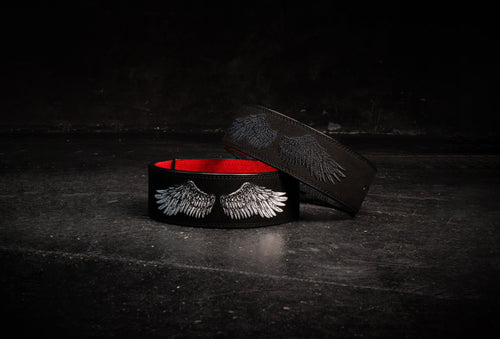
Today's ipf approved belts come in bold colors, sleek blacks, and even camo or custom finishes. Many brands now offer limited editions or let you personalize with stitching, embroidery, or logos.
While function should always come first, a belt that matches your style can boost confidence on the platform. Some lifters choose unique colors to stand out, while others opt for classic looks favored in elite competitions.
Personal branding is increasingly popular, with more athletes customizing their gear for social media and sponsorship visibility. Make sure any customization still complies with IPF regulations, especially for official meets.
Top 7 IPF Approved Belts for Powerlifters in 2026
Choosing from the best ipf approved belts can make or break your performance on the platform. With so many options in 2026, finding the right fit for your needs and budget is crucial. Here, we break down the top 7 ipf approved belts, highlighting their unique features, pricing, pros, cons, and ideal use cases. If you want to verify the official status of these products, you can always reference the IPF Approved Equipment List 2023-2026 for the most up-to-date information.
Strength Shop 13MM Lever Belt - Camo
For lifters demanding maximum support, this 13mm lever belt is a favorite among ipf approved belts. Crafted from premium leather, it features a striking camo design and a robust lever buckle for fast, secure adjustments.
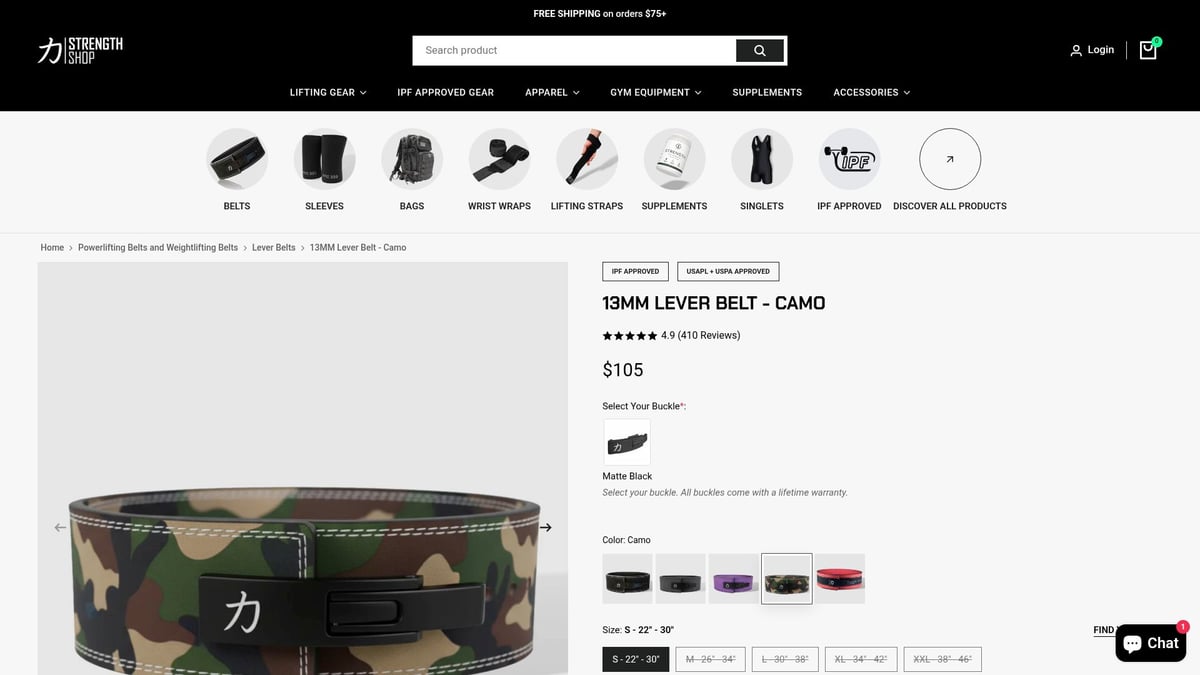
- Price: $105
- Features: 13mm thickness, lever buckle, camo finish, IPF approved
- Benefits: Delivers unmatched stability for heavy squats and deadlifts, letting you focus on big lifts without distraction.
Ideal for: Advanced powerlifters who want both function and style.
Pros:
- Durable construction
- Eye-catching design
- Easy to tighten and release
Cons:
- Stiff during initial break-in
- Higher price point
This belt is a top choice among national-level competitors who rely on ipf approved belts for both appearance and performance.
Brahma Powerlifting Belt 13mm - Prong Buckle
If tradition and reliability matter, the Brahma stands out among ipf approved belts for its heavy-duty build and classic single prong design. The 13mm thickness ensures a rigid, supportive feel during maximal attempts.
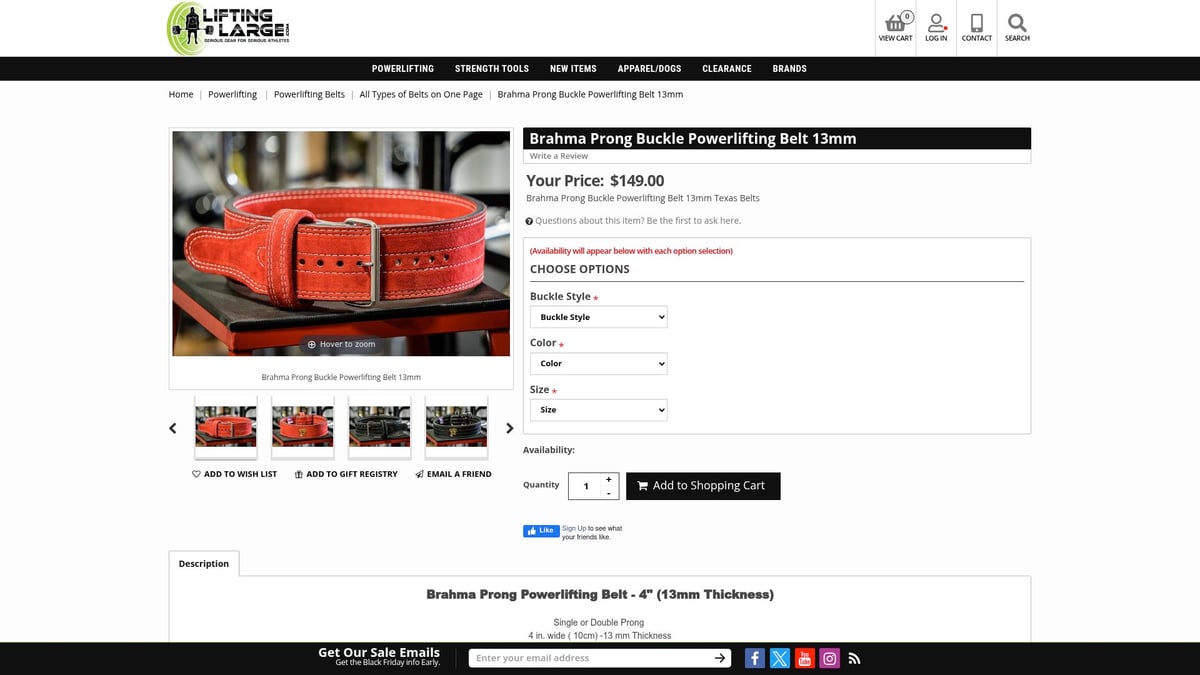
- Price: $149.00
- Features: 13mm, single prong, heavy-duty leather, IPF approved
- Benefits: Proven longevity and a custom fit with every use.
Ideal for: Lifters who appreciate a prong buckle for fine-tuned adjustments.
Pros:
- Robust construction
- Precise fit
- Time-tested durability
Cons:
- Takes longer to adjust between sets
- Premium price
Many seasoned athletes trust this belt, showing that ipf approved belts can last through years of intense training.
Toro Bravo Powerlifting Belt 10mm - Single or Double Prong
Versatility is key with the Toro Bravo, a staple among ipf approved belts for intermediate lifters. Available in both single and double prong options, it offers a comfortable 10mm thickness and a range of color choices.
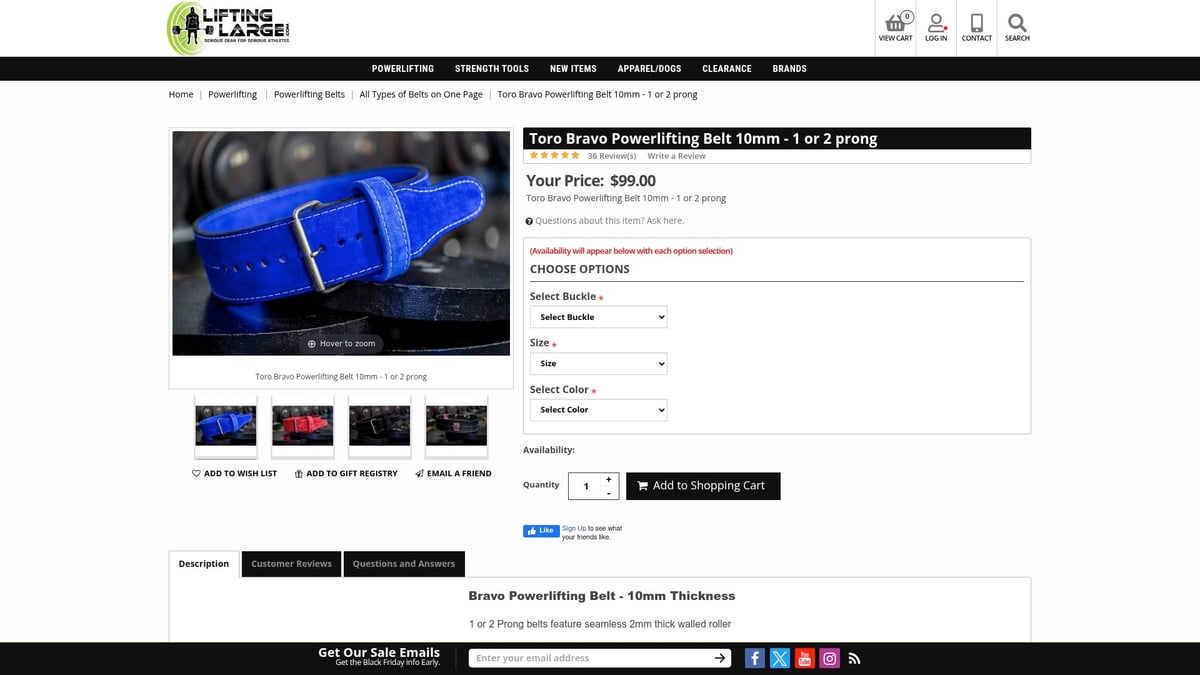
- Price: $99.00
- Features: 10mm, single or double prong, multiple colors, IPF approved
- Benefits: Easier break-in and flexible for all three lifts.
Ideal for: Lifters progressing from beginner to advanced, or those who want one belt for both training and meets.
Pros:
- Affordable price
- Customizable look
- Good for daily use
Cons:
- Slightly less rigid than 13mm models
This belt is frequently recommended for anyone ready to upgrade their ipf approved belts to a more adaptable option.
Strength Shop 10MM Lever Belt - Black
The black 10mm lever belt from Strength Shop is a top pick for lifters who value convenience in ipf approved belts. Its lever mechanism allows for quick on-off, while moderate stiffness makes it suitable for both training and meets.
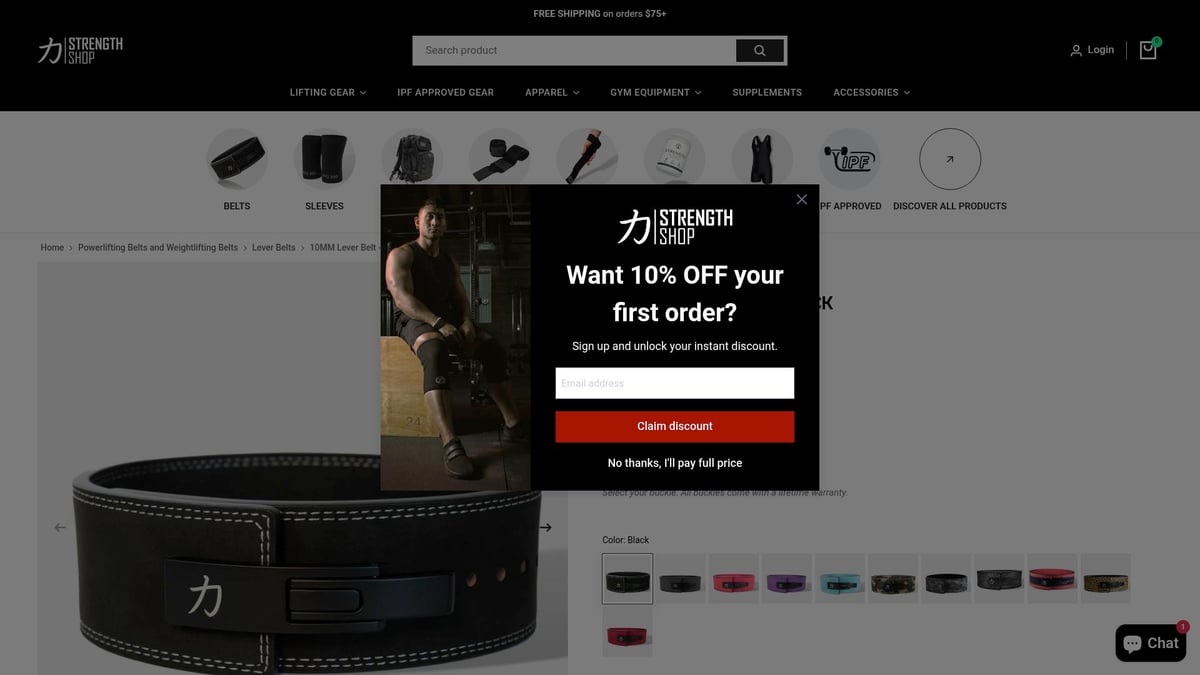
- Price: $95
- Features: 10mm, lever buckle, black leather, IPF approved
- Benefits: Blends comfort with speed, letting you focus on the lift, not the setup.
Ideal for: Lifters at any level who want a reliable, easy-to-use belt.
Pros:
- Great value
- User-friendly lever
- Highly rated for comfort
Cons:
- Lever may need occasional maintenance
With nearly 600 five-star reviews, this is one of the most trusted ipf approved belts for everyday and competition use.
Competition 13mm Single Prong Belt
Budget-conscious athletes will appreciate this no-nonsense 13mm single prong belt. Among ipf approved belts, it stands out for its affordability and solid support, making it accessible to more lifters.
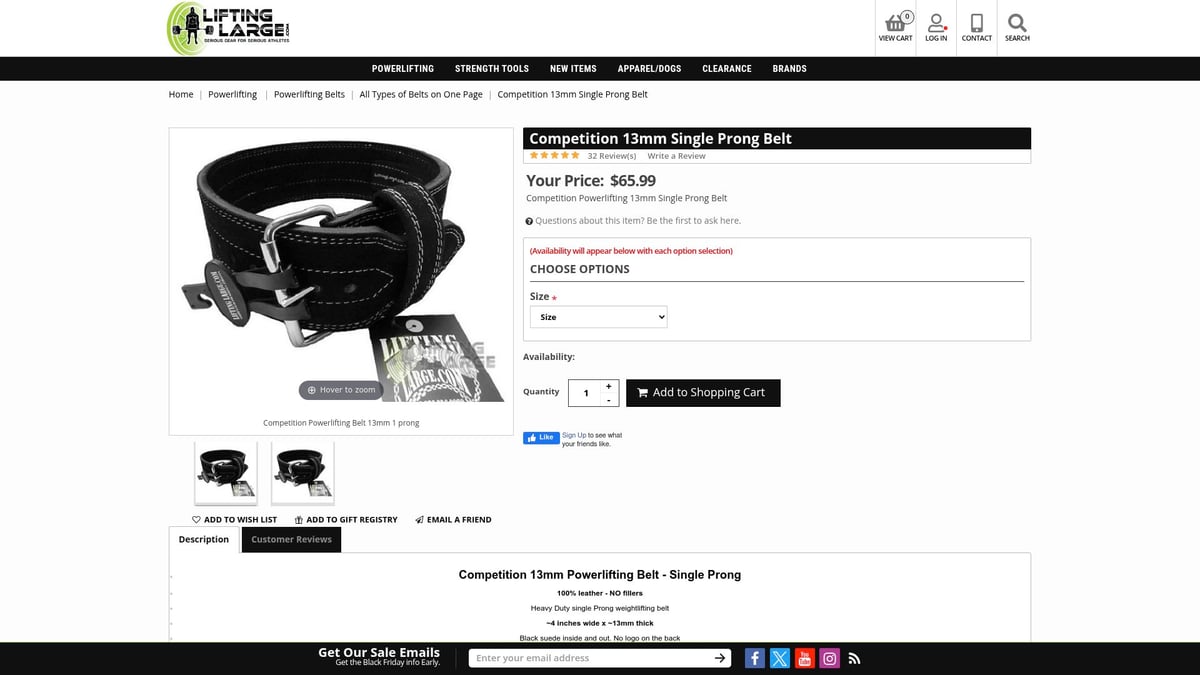
- Price: $65.99
- Features: 13mm, single prong, black leather, IPF approved
- Benefits: Delivers competition-grade stiffness without breaking the bank.
Ideal for: Lifters who need maximum support but want to save money.
Pros:
- Cost-effective
- Competition-ready
- Simple design
Cons:
- Prong can be tricky to fasten under tension
This belt is a favorite among those who want reliable ipf approved belts on a budget.
Strength Shop 10MM Single Prong Belt 3" Wide - Black
For athletes with smaller frames, this 3-inch wide single prong belt provides the comfort and fit many ipf approved belts cannot. The 10mm thickness provides enough support, while the narrower width improves mobility.
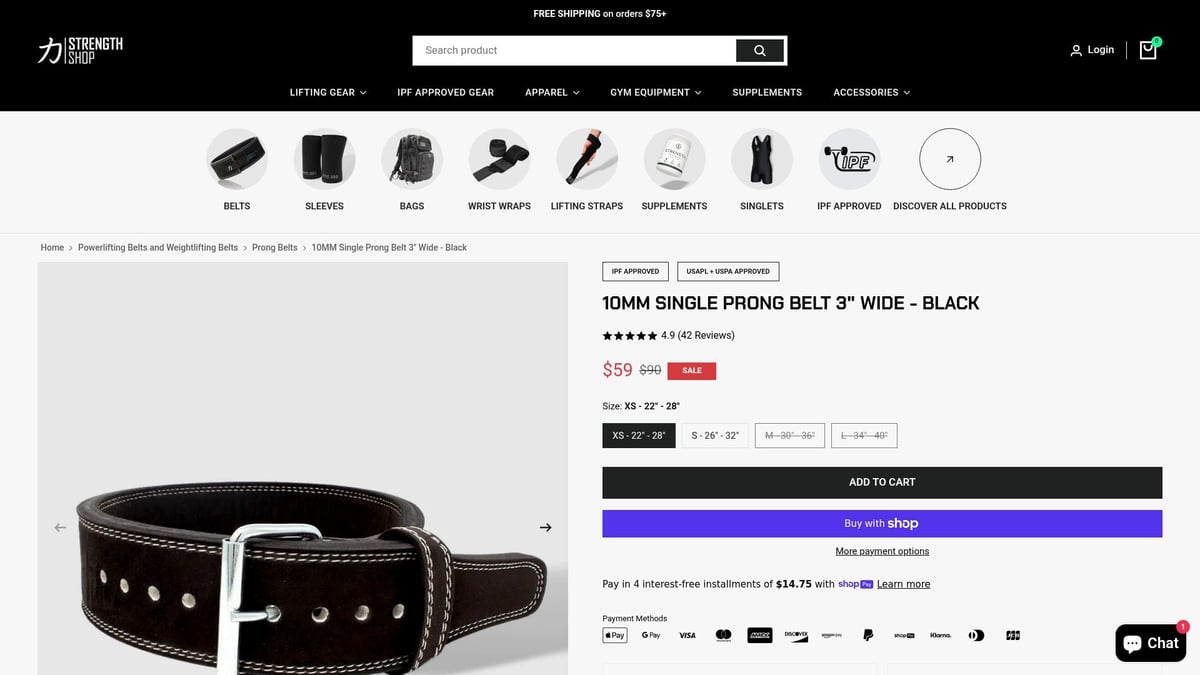
- Price: $59 (on sale)
- Features: 10mm, 3-inch width, single prong, IPF approved
- Benefits: Designed for lifters with shorter torsos or limited mobility.
Ideal for: Female lifters, lightweight classes, or anyone who finds standard belts restrictive.
Pros:
- Lightweight
- Easy to position
- Affordable
Cons:
- Less surface area for support compared to 4-inch belts
This belt is often recommended in forums discussing ipf approved belts for smaller athletes or those needing more comfort.
Economy Lever Belt - 10mm
Getting started in powerlifting does not have to be expensive. The Economy Lever Belt is one of the most accessible ipf approved belts, offering essential support with a user-friendly lever buckle.
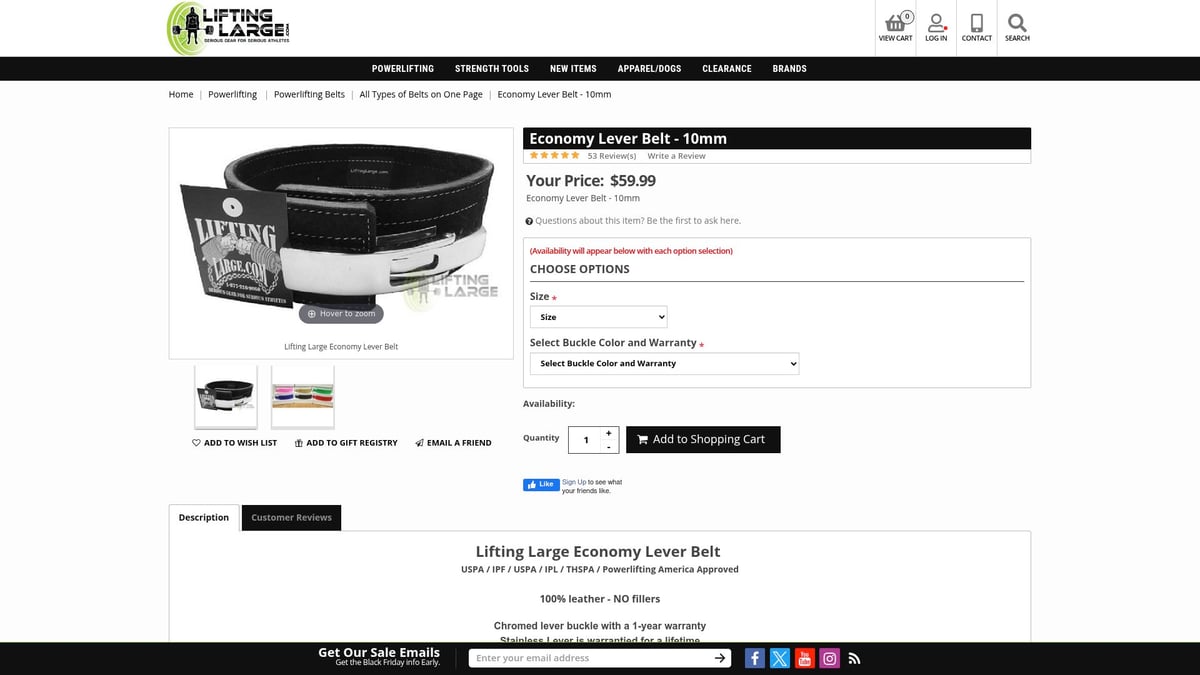
- Price: $59.99
- Features: 10mm, lever buckle, budget-friendly, IPF approved
- Benefits: Entry-level price lets new competitors meet all requirements without compromise.
Ideal for: Beginners, those on a tight budget, or as a backup belt for meets.
Pros:
- Low cost
- Quick to adjust
- Fully IPF compliant
Cons:
- May not last as long as higher-end belts
For many novice lifters, this is the first step into the world of ipf approved belts, giving them the confidence to compete.
Top 7 IPF Approved Belts Comparison Table
| Belt Name | Price | Thickness | Buckle Type | Width | Ideal For | Key Feature |
|---|---|---|---|---|---|---|
| Strength Shop Camo Lever | $105 | 13mm | Lever | 4" | Advanced lifters | Style & rigidity |
| Brahma Prong | $149 | 13mm | Prong | 4" | Traditionalists | Longevity |
| Toro Bravo Prong | $99 | 10mm | Single/Double Prong | 4" | Intermediates | Customization |
| Strength Shop Lever Black | $95 | 10mm | Lever | 4" | All levels | Fast release |
| Competition Single Prong | $65.99 | 13mm | Prong | 4" | Budget lifters | Value |
| Strength Shop 3" Prong | $59 | 10mm | Prong | 3" | Smaller frames | Comfort |
| Economy Lever | $59.99 | 10mm | Lever | 4" | Beginners | Price |
With so many ipf approved belts available, choosing the right one is a matter of matching your needs, budget, and preferences. Whether you want maximum support, a lightweight fit, or the best value, there is an ipf approved belt in this list that fits your goals.
Comparing the Top IPF Approved Belts: Features & Fit
Choosing between the best ipf approved belts can feel overwhelming with so many technical details to consider. Let’s break down the differences in material, construction, buckle types, thickness, width, and value so you can confidently pick the perfect belt for your needs.
Material & Construction Quality
The material and construction of ipf approved belts directly affect their durability and comfort. Most top belts are crafted from high-grade leather, with some using suede for extra grip or a smooth finish for easier sliding.
- Leather Quality: Premium, full-grain leather offers the best longevity.
- Stitching: Reinforced stitching ensures seams hold up under heavy use.
- Hardware: Stainless steel or zinc buckles add strength and resist rust.
Suede finishes provide a “grippy” feel against your clothing, which can help keep the belt in place during lifts. In contrast, smooth finishes are easier to adjust but may shift slightly. Many belts come with satisfaction guarantees or multi-year warranties, reflecting their build quality.
Buckle Mechanisms: Lever vs. Prong
Buckle choice is a major factor when comparing ipf approved belts. Lever buckles are prized for their speed and ease of use, allowing for quick on-off adjustments between lifts. Prong buckles, available as single or double prong, offer more precise micro-adjustments but take longer to fasten.
| Buckle Type | Speed | Adjustability | Maintenance |
|---|---|---|---|
| Lever | High | Moderate | Occasional |
| Prong | Moderate | High | Minimal |
If you want to dive deeper into the benefits and setup of lever buckles, check out this Lever belt weightlifting guide. Remember, lever mechanisms may need occasional tightening or replacement, while prong buckles are generally maintenance-free.
Thickness & Width: Performance Implications
Thickness and width are crucial for optimizing performance with ipf approved belts. Belts come in 10mm or 13mm thicknesses, with 13mm providing maximum stiffness for heavy attempts, and 10mm offering more comfort and flexibility for dynamic training.
- 10mm: Easier break-in, versatile for all lifts.
- 13mm: Superior support for maximal lifts, longer break-in.
- 3-inch width: Ideal for smaller frames or those seeking more mobility.
- 4-inch width: Standard for most lifters, maximizes core coverage.
Elite powerlifters often choose 13mm for heavy squats and pulls, while 10mm is popular for everyday training or for athletes needing a balance of support and comfort.
Price, Value, and Warranty
Pricing for ipf approved belts ranges from budget-friendly to premium. Entry-level options start around $59, offering basic features and solid build quality. Mid-range belts ($95–$105) add better materials, color choices, and more robust hardware. Premium belts ($149+) boast custom finishes, reinforced construction, and extended warranties.
- Budget: Good for beginners or backups.
- Mid-range: Best value for most competitors.
- Premium: Long-term investment, customizable, top durability.
Many brands offer warranties or satisfaction guarantees, which can save money over time by reducing the need for frequent replacements. Investing in a high-quality belt up front often pays off in both performance and resale value.
Caring for Your IPF Approved Belt: Maintenance & Longevity
Taking care of your ipf approved belts is essential if you want your investment to last through countless training sessions and competitions. With the right maintenance routine, you can keep your belt supportive, compliant, and looking great for years.
Cleaning and Storage Best Practices
Regular cleaning and proper storage are the foundation of keeping your ipf approved belts in peak condition. After every training session, gently wipe the belt with a damp cloth to remove sweat, chalk, and debris. This prevents salt buildup, which can dry out leather and weaken stitching.
Always store your belt in a cool, dry spot away from direct sunlight. Excessive heat or humidity can cause leather to crack or warp. Try not to leave your belt rolled up tightly for long periods, as this can affect its shape and stiffness.
Avoid over-tightening your ipf approved belts when storing or using them. Over time, this can stretch holes and compromise the belt's structure. Occasionally, apply a leather conditioner to keep the material supple and prevent premature aging.
If you want to know more about the types of belts and their care, check out this helpful guide on gym belt types explained.
Break-In Tips and Adjustments
Every new ipf approved belts will feel stiff and unyielding at first, but that's a sign of quality. To break in your belt, start by wearing it for lighter lifts and gradually increase the pressure as the leather softens. Avoid bending or rolling the belt aggressively, as this could damage the structure.
To speed up the break-in process without harming your ipf approved belts, put it on over a hoodie for short sessions. The extra padding helps the belt mold to your body shape. Make small, regular adjustments to your lever or prong settings as the belt loosens up to maintain a snug fit.
You will know your belt is ready for heavy competition use when it feels secure but not restrictive, and you can easily take a deep breath with it on. If you ever notice uneven softening or discomfort, readjust and check for signs of wear.
When to Replace Your Belt
Even with the best care, ipf approved belts will eventually show signs that it's time for a replacement. Look for deep cracks in the leather, stretched or deformed holes, and hardware that no longer holds securely. These issues reduce the belt's ability to provide support and may compromise safety.
Using a damaged belt in competition is risky and could lead to disqualification or injury. On average, a well-maintained belt lasts several years, but high-frequency use or poor storage can shorten its lifespan. Always inspect your equipment before big meets.
Maximizing Resale Value
If you plan to upgrade or switch styles, keeping your ipf approved belts in top shape pays off. Store the original packaging and any documentation you received, as these can boost resale appeal.
Clean your belt thoroughly and keep the finish looking fresh to attract buyers. Some brands and colors, like limited editions or popular models, hold their value better in the secondhand market. For example, products like the Graduation lifting belt often fetch higher prices when well cared for.
By following these steps, you can protect your investment, ensure compliance on the platform, and get the most out of your ipf approved belts for years to come.
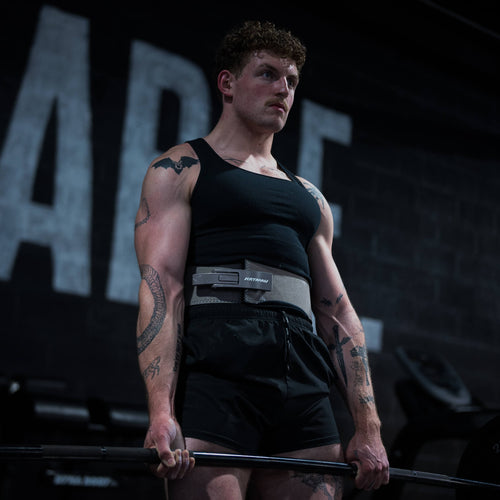
Now that you know what sets the best IPF approved belts apart and have seen the top picks for 2026, it’s time to take action for your own training. Whether you’re getting ready for your first meet or looking to upgrade your gear for serious gains, choosing a premium belt with style and durability makes all the difference. At Katamu, we make it easy for you to find a lever belt that fits your goals and keeps you lifting strong for years. Ready to put your setup together and lift with confidence?
Build your setup
