 30-Day Money Back Guarantee

Leather lifting belts are making waves in gyms everywhere in 2026. Athletes and everyday lifters alike are turning to these belts, seeking better results and more safety during their toughest workouts.
If you feel unsure about how to get the most from leather belt lifting, you are not alone. This guide gives you expert tips to choose the right belt, use it correctly, and maintain it for peak performance. Get ready to unlock new personal bests with proven advice on belt types, sizing, usage, care, and advanced strategies.
The Evolution of Leather Lifting Belts: 2026 Trends & Innovations
Leather belt lifting has evolved from a niche gym accessory into a must-have tool for athletes and fitness enthusiasts in 2026. As lifters chase bigger numbers and prioritize safety, understanding how leather belts have changed—and what’s trending now—can help you make better choices for your training.
The History and Rise of Leather Lifting Belts
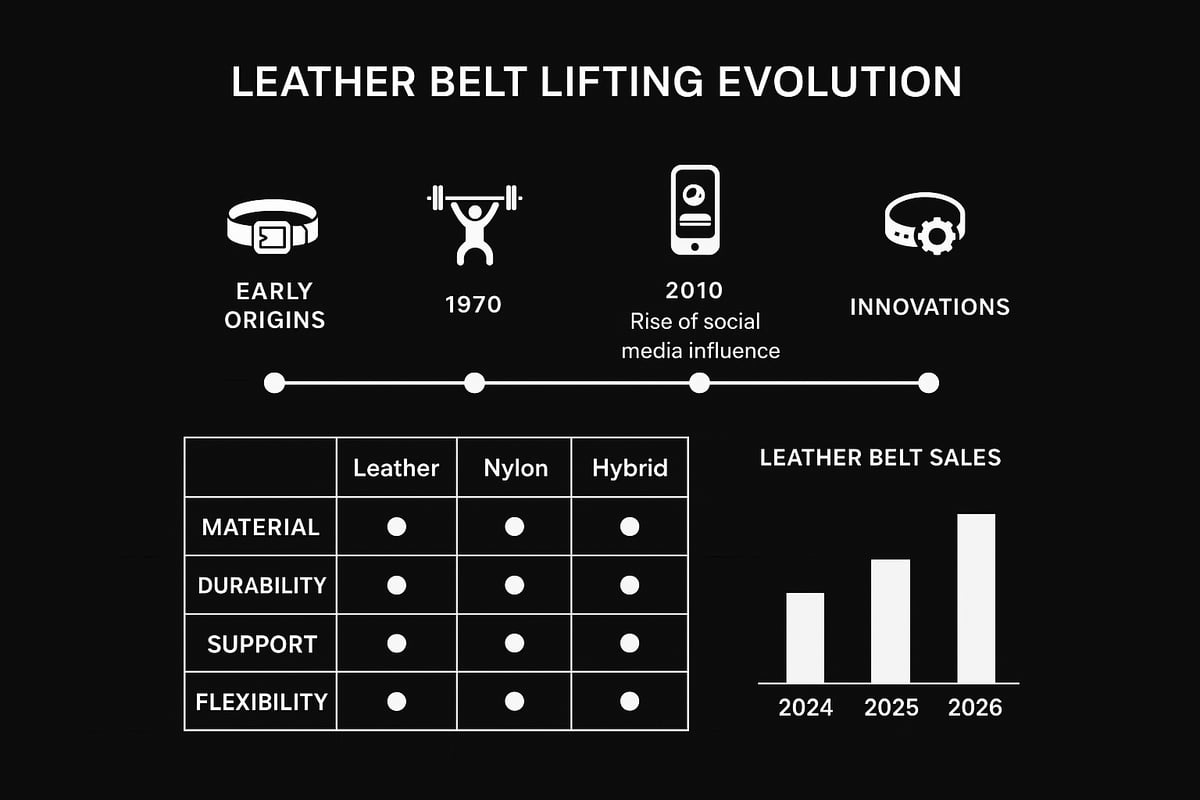
The roots of leather belt lifting stretch back to the old-school strongmen era, where thick leather straps offered crucial support during heavy lifts. Over time, leather belts became a staple in strength training, standing out for their durability and rigid support.
While nylon and hybrid belts have entered the scene, leather’s natural strength and ability to mold to the body keep it at the top for many lifters. The adoption of leather belts in powerlifting and Olympic lifting marked a major milestone. More recently, social media influencers and elite athletes have propelled leather belt lifting into mainstream fitness culture.
2026 has brought exciting innovations to leather belt lifting. Modern tanning processes create belts that are both softer and more resilient. Advances in stitching and buckle design mean today’s belts offer an improved balance of durability, flexibility, and support. Hybrid leather belts, which blend traditional leather with flexible inserts, are catching on for their versatility and comfort.
Sales data shows a steady climb in leather belt lifting popularity. Between 2024 and 2026, user reviews highlight not just the performance benefits but also the style and customization options that new belts bring.
Types of Leather Lifting Belts in 2026
When it comes to leather belt lifting, there’s more variety than ever before. Single-ply belts offer a thinner, more flexible feel, making them popular for general fitness or lifters who want mobility. Double-ply belts provide extra thickness and support, ideal for those pushing heavy squats or deadlifts. The 2026 market also features hybrid, contoured, and limited-edition designs that cater to different lifting styles and personal preferences.
Regulatory standards matter if you plan to compete. Organizations like the USPA and IPF have strict guidelines, so choosing a competition-legal belt is key. For beginners, comfort and ease of break-in are often top priorities, while advanced lifters may opt for maximum support.
Brands like The Strength Co. offer both single-ply and double-ply belts, each with specific advantages. Hybrid belts are gaining ground for their blend of support and comfort. Your choice in a leather belt lifting product can make a real difference in performance and injury prevention.
For an in-depth look at top choices and how to compare them, check out this Best weightlifting belts guide, which breaks down leading options and helps you match a belt to your goals.
Whether you’re after a classic powerlifting belt or a modern hybrid, the landscape of leather belt lifting in 2026 is more dynamic and innovative than ever.
How to Choose the Perfect Leather Lifting Belt for Your Goals
Choosing the right leather belt lifting gear is a game-changer for your results and safety in the gym. With so many options in 2026, it is easy to feel overwhelmed by sizing, materials, and fastener choices.
The perfect belt supports your goals, fits your body, and lasts through years of hard training. Let us break down each decision so you can lift with confidence.
Sizing and Fit: Getting It Right
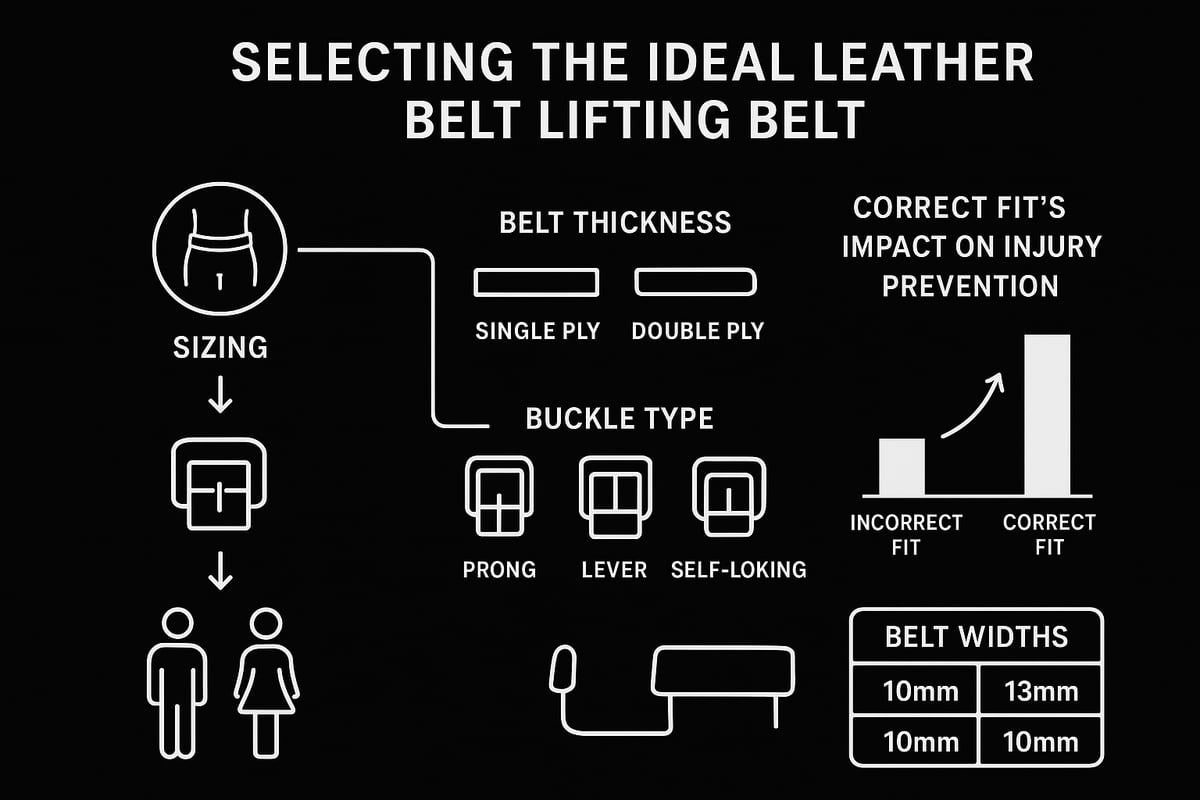
A great leather belt lifting experience starts with accurate sizing. Always measure your waist at the navel, not your pant size, for the most reliable fit.
If you are planning for weight loss or muscle gain, pick a belt with multiple holes or an adjustable buckle. This ensures you will not outgrow your investment. For long-term use, brands like The Strength Co. suggest measuring your waist, subtracting 2 inches, and comparing to their size chart.
Belt width matters, too. Common choices are 2.5", 3", and 4". A wider belt offers more support but may feel bulky for smaller torsos or certain lifts. Women and lifters with shorter torsos often prefer a 3" belt for comfort and range of motion.
| Belt Width | Best For | Pros | Cons |
|---|---|---|---|
| 2.5" | Smaller frames, women | Mobility | Less support |
| 3" | General use, beginners | Comfort/support | N/A |
| 4" | Powerlifting, advanced | Max support | Bulky |
Avoid the common mistake of picking a belt that is too loose or too tight. A snug but not crushing fit allows you to brace your core without restricting your breath. Remember, the right fit is key to safe and effective leather belt lifting.
Thickness, Ply, and Material Quality
Thickness and material quality make a huge difference in leather belt lifting performance. Single-ply belts, usually 7mm thick, are flexible and break in quickly. Double-ply belts, at 10mm, offer maximum support for heavy lifts but require more time to soften.
Premium belts use sole bend leather, industrial rivets, and reinforced stitching. These features extend lifespan and keep your belt strong under pressure. Hand-made belts often boast durability claims, with some lasting a decade or more.
The break-in period is real. Expect a few weeks of regular use before your belt molds perfectly to your body. Thickness also affects "hoop tension," or how well the belt supports your core during high-pressure lifts.
Quality matters whether you are a beginner or a seasoned athlete. For more insights into what makes a belt effective, check out this Good lifting belts overview.
A well-built leather belt lifting choice directly impacts your ability to brace, reduces injury risk, and supports every PR you chase.
Buckle Types and Fastening Mechanisms
The last piece of the leather belt lifting puzzle is the buckle. Prong buckles are classic, easy to adjust, and work for most lifters. Lever buckles allow for quick release and precise tightness, making them popular for powerlifters who want speed between sets.
Self-locking and hybrid buckles are gaining popularity in 2026 for their blend of adjustability and security. When choosing a buckle, think about your training style. If you switch between lifts or need to adjust on the fly, a prong or self-locking option is practical. For heavy, competition-style lifting, a lever buckle provides the firmest support.
Maintenance is simple: check for loose screws or worn teeth on lever models, and inspect prong holes for stretching. Replace or repair buckles as needed to keep your leather belt lifting routine safe.
A well-chosen buckle keeps your training smooth, secure, and focused on progress.
Step-by-Step Guide: Using Your Leather Lifting Belt for Maximum Performance
Unlocking the full benefits of leather belt lifting takes more than just strapping on your gear. Whether you are chasing a new personal record or aiming to lift safely, mastering your approach can make a world of difference. Below, you will find a practical, step-by-step guide that covers when to use your belt, how to position it, the ideal sequence for belted lifts, and how to sidestep the most common mistakes.
When and Why to Use a Leather Lifting Belt
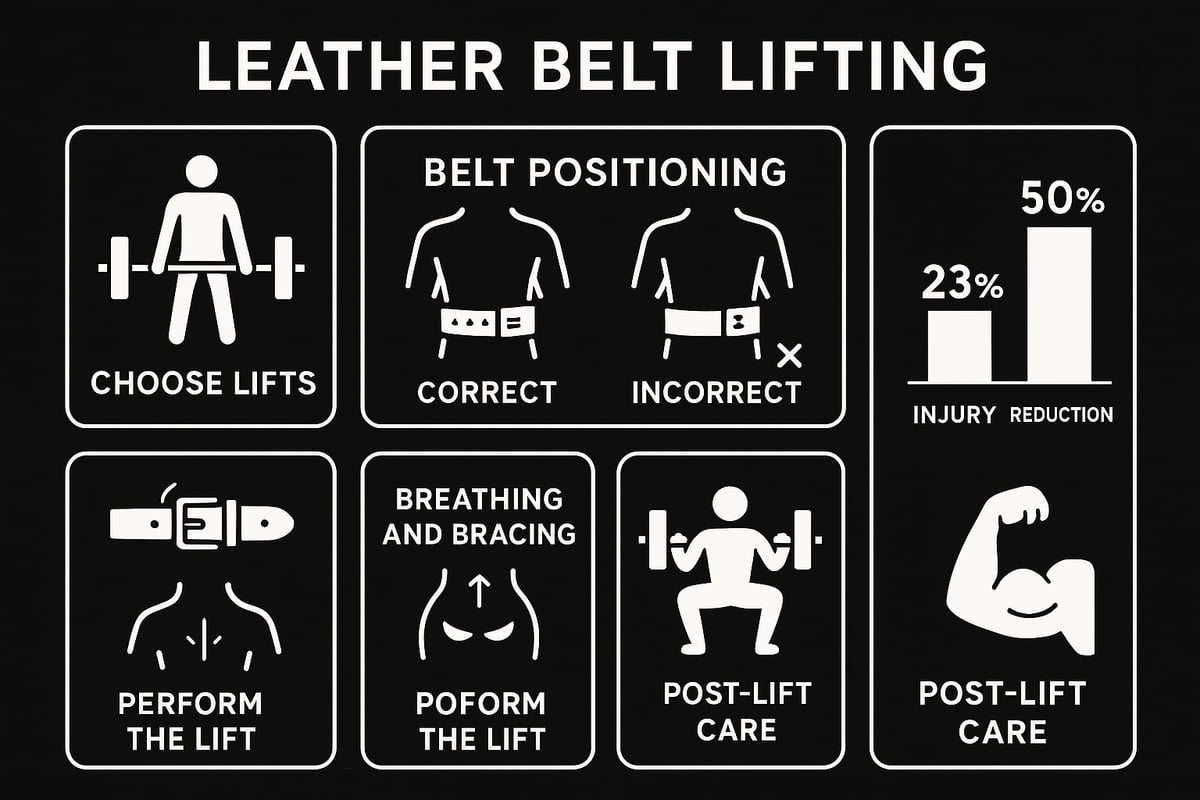
Leather belt lifting is most effective when used for compound lifts that place heavy demands on your core. Think squats, deadlifts, overhead presses, and even heavy rows. These movements benefit from increased intra-abdominal pressure, which a leather belt helps generate, stabilizing your spine and keeping your form solid.
Many lifters wonder if they should wear a belt for every set. The short answer is no. Save your leather belt lifting for working sets at moderate to high intensity, usually above 70-80% of your one-rep max. Accessory and warm-up sets are best performed without a belt to keep your stabilizer muscles engaged.
Using a belt can significantly reduce the risk of injury, especially for those attempting heavy lifts. Recent studies show a noticeable drop in lower back injuries among consistent belt users. However, a belt is not a magic shield. It is a tool to complement your bracing technique, not a replacement for core strength.
For more practical advice and best practices, check out these weightlifting gym belt tips. This resource covers real-world scenarios and expert recommendations, making it a valuable addition to your leather belt lifting routine.
Proper Belt Positioning and Tightening
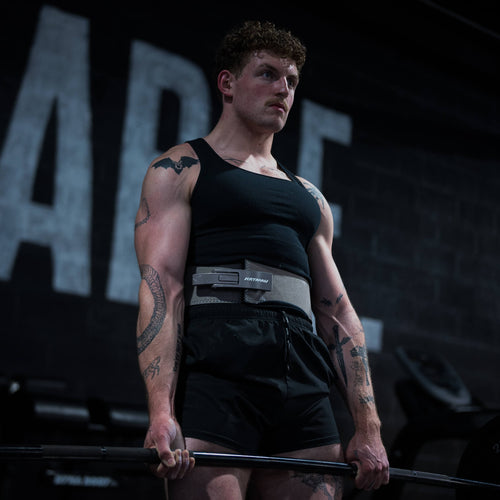
Getting the most from leather belt lifting starts with correct placement and tension. Position the belt around your midsection, typically over the navel or just above the hip bones. The goal is to allow enough contact for bracing, without restricting your breathing or movement.
For squats, some athletes prefer the belt slightly lower, while deadlifters may shift it up a bit to avoid pinching. Experiment to find your sweet spot, but never let the belt dig into your ribs or hips.
Tightness is key. The belt should be snug enough that you can brace your core firmly, but not so tight that you cannot take a deep breath or feel lightheaded. A simple test: slide a finger between your body and the belt. If you cannot, it is likely too tight.
Here is a quick checklist for proper positioning:
- Place the belt at your midsection, not too high or low.
- Ensure even pressure around your torso.
- Adjust for each lift as needed.
Remember, perfect belt positioning is a skill. Practice it during every leather belt lifting session to build muscle memory and maximize results.
Chronological Steps to Belted Lifting Success
To truly excel at leather belt lifting, follow a proven sequence every session. This routine helps you get the most support without sacrificing comfort or safety.
- Measure and fit your belt before starting. Check that the holes and buckle line up for your current waist size.
- Warm up without the belt. Activate your core and stabilizers with lighter sets.
- Put on your belt just before your first working set.
- Position and tighten the belt specifically for the lift you are about to perform.
- Practice proper breathing and bracing. Take a big breath into your belly, press out against the belt, and hold that pressure as you lift.
- Perform the lift with focus on maintaining core tension.
- Remove or loosen the belt between sets to aid circulation and comfort.
Here is a summary table for your reference:
| Step | Action | Purpose |
|---|---|---|
| 1 | Fit belt | Ensures comfort and support |
| 2 | Warm up without belt | Engages stabilizer muscles |
| 3 | Put on belt for working sets | Maximize support during heavy lifts |
| 4 | Position and tighten | Customizes fit for each movement |
| 5 | Breathe and brace | Optimizes intra-abdominal pressure |
| 6 | Perform lift | Safely execute with core support |
| 7 | Loosen/remove between sets | Prevents discomfort, aids recovery |
Integrating this step-by-step approach will make leather belt lifting second nature and help you hit new milestones.
Common Mistakes and How to Avoid Them
Even experienced lifters can fall into bad habits with leather belt lifting. The most frequent mistake is wearing the belt too high or too low, which can lead to poor bracing and discomfort. Over-tightening is another issue, restricting breathing and movement, while under-tightening fails to provide enough support.
Relying on the belt for every set or using it as a crutch instead of a tool can stunt your core development. Always remember, the belt is there to enhance—not replace—your technique.
Neglecting proper breathing and bracing is a subtle but critical error. Skipping the break-in period for a new belt can also cause discomfort and reduce effectiveness. Take time to adjust to your equipment.
Feedback from real-world users echoes these points: those who treat leather belt lifting as a skill, not just an accessory, see better results and fewer injuries. Focus on learning, adjusting, and practicing with intention.
Leather Belt Maintenance: Ensuring Longevity and Performance
Proper care is key for anyone serious about leather belt lifting. A well-maintained belt not only boosts your performance but also makes your investment last for years. Even the best belt can lose support and comfort if you neglect simple maintenance routines.
Cleaning and Care Best Practices
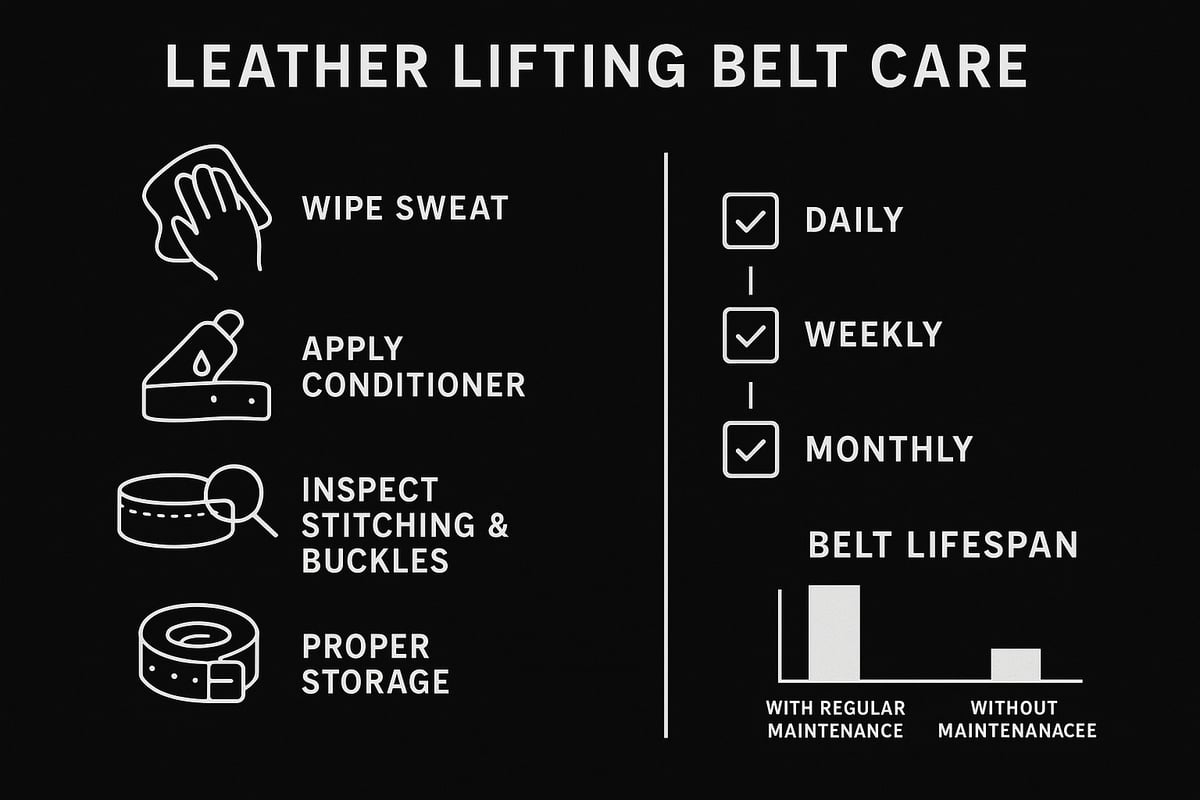
Keeping your belt in top shape is essential for leather belt lifting. After every session, wipe down your belt to remove sweat and chalk. This simple habit prevents odor and bacteria build-up, which can weaken leather over time.
For deeper cleaning, use a soft, damp cloth with a pH-neutral leather cleaner. Avoid soaking the belt or exposing it to direct water. Let it air dry naturally, away from heat or sunlight. Conditioning your belt every few months with a quality leather conditioner keeps it supple and prevents cracks.
Proper storage is just as important for anyone focused on leather belt lifting. Store your belt flat or gently rolled, never folded, and keep it in a cool, dry place. Avoid leaving it in gym bags for long periods, as trapped moisture can cause mold.
If you want more in-depth guidance, check out these Leather Belt Maintenance Tips for expert advice on cleaning, conditioning, and storing your belt the right way.
Quick Care Checklist:
- Wipe sweat and debris after each use
- Deep clean monthly
- Condition leather every three months
- Store flat or gently rolled, away from heat and sunlight
By following these care steps, your leather belt lifting gear will stay strong and supportive through countless workouts.
Inspection and Repair
Regular inspection is vital for anyone committed to leather belt lifting. Look closely at the stitching, rivets, and buckle every few weeks. If you spot frayed threads, loose rivets, or a wobbly buckle, act quickly to prevent bigger issues.
Minor wear can often be fixed with simple tools. Tighten loose screws or add a small amount of leather glue to minor cracks. For bigger problems, such as deep splits or broken buckles, consult a professional or check if your belt is still under warranty.
Knowing when to repair or replace your belt is important for both safety and performance. If the belt no longer provides even support or the leather feels brittle, it may be time for a new one.
| Issue | Repairable? | Replace? |
|---|---|---|
| Loose stitching | Yes (DIY/Pro) | If severe |
| Cracked leather | Minor (Condition) | Deep cracks |
| Broken buckle | Replaceable part | If non-repairable |
| Warped shape | Sometimes | If persistent |
Warranty support from reputable brands can extend your belt’s life. Document any issues and contact the manufacturer if repairs are covered. With regular checks, your leather belt lifting equipment will keep you lifting safely and confidently.
Advanced Lifting Strategies with Leather Belts: Pro Tips for 2026
Ready to take your leather belt lifting to the next level? Advanced strategies can help you unlock new personal records and make the most of your training in 2026. Whether you are aiming for competition, overall strength, or better injury prevention, mastering these approaches is essential.
Integrating Belts into Your Training Program
Optimizing your training program with leather belt lifting requires careful planning. Use your belt strategically during heavy compound lifts, particularly when attempting personal bests. However, avoid overusing the belt in every set, as this can hinder core development over time.
Consider periodization by cycling between beltless and belted phases throughout your training blocks. For example, reserve your belt for high-intensity or low-rep sets, while performing warm-ups and volume work without it. Many elite coaches recommend this approach to maximize both core strength and performance.
Here are some pro tips:
- Warm up without the belt to activate stabilizers.
- Use the belt for sets above 80% of your one-rep max.
- Track your performance with and without the belt to spot weaknesses.
Integrating leather belt lifting into your program this way helps balance safety, strength, and muscle growth.
Belt Selection for Different Lifting Styles
Not all belts are created equal, and your choice should fit your lifting style. In leather belt lifting, powerlifters often prefer thicker, double-ply belts for maximum support during squats and deadlifts. Olympic lifters may opt for contoured or single-ply options, offering more flexibility for dynamic movements.
CrossFit athletes and those focused on functional training might benefit from hybrid designs, which balance rigidity and comfort. For accessory lifts like rows or cleans, a thinner belt can provide just enough support without restricting movement.
| Lifting Style | Belt Preference | Key Features |
|---|---|---|
| Powerlifting | Double-ply, 4" width | Max support, rigid |
| Olympic Lifting | Single-ply, contoured | Flexibility, mobility |
| CrossFit/Functional | Hybrid, thinner width | Comfort, versatility |
Choosing the right leather belt lifting option for your goals can improve performance and reduce injury risk.
Maximizing Performance and Safety
Advanced lifters know that leather belt lifting is more than just strapping on a belt. Focus on mastering bracing techniques to increase intra-abdominal pressure and stabilize your spine during heavy lifts.
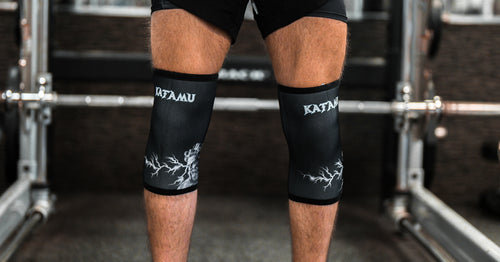
Combine your belt with other supportive gear, such as knee sleeves or wrist wraps, to further protect your joints and enhance stability. Monitor your fatigue levels and avoid relying on the belt for every set, as overuse can lead to muscular imbalances.
Recent data shows that lifters who use belts properly experience up to a 20% increase in max lifts and a noticeable drop in lower back injuries. Top athletes integrate the belt as a tool, not a crutch, and prioritize form above all else.
Implementing these advanced leather belt lifting strategies will help you push your boundaries safely and efficiently.
Customization and Personalization in 2026
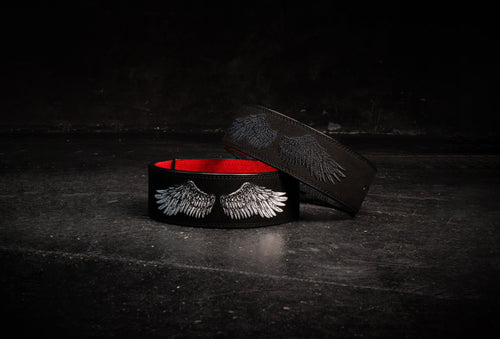
In 2026, leather belt lifting is as much about personal expression as it is about performance. Lifters can now choose from limited edition and custom-designed belts, letting their personality shine on the platform. Many opt to match their belts with other lifting accessories for a cohesive, motivational look.
Technological advances have introduced smart belts with integrated sensors, providing feedback on bracing technique and belt tension in real-time. Community testimonials highlight how personalized gear boosts confidence and commitment in training.
Whether you value aesthetics, data, or tradition, customizing your leather belt lifting experience is easier than ever. Explore new options and make your belt a reflection of your dedication.
Frequently Asked Questions About Leather Lifting Belts
Leather belt lifting raises many questions, especially for those seeking the best results in 2026. Below, find clear answers to the most common concerns lifters have about leather belt lifting. Each FAQ is based on recent user feedback and expert advice.
How long does it take to break in a new leather belt?
Most new leather belt lifting products require 2 to 4 weeks of regular use to break in fully. During this period, the leather softens and molds to your waist. For faster results, follow a proper break-in routine and store your belt correctly. For more detailed care tips, check out these Leather Belt Care Techniques.
Is a leather belt better than a nylon or hybrid belt for beginners?
Leather belt lifting often provides superior support for heavy lifts. Beginners may prefer leather for its durability and consistent rigidity. However, nylon or hybrid belts offer more flexibility and are lighter, which some new lifters appreciate for dynamic movements.
Can I use the same belt for squats and deadlifts?
Yes, most leather belt lifting belts are versatile enough for both squats and deadlifts. You may need to adjust the position on your torso for each lift to maximize support and comfort. Some advanced lifters choose different belt widths for each, but a single quality belt works for most people.
What’s the difference between single-ply and double-ply belts?
Single-ply belts (around 7mm thick) are lighter and break in faster, making them ideal for general training and beginners. Double-ply belts (10mm or more) offer extra support and rigidity, preferred by experienced lifters pushing heavy weights. Your choice depends on your leather belt lifting goals and comfort needs.
How do I know if my belt is competition legal?
Check the rules of your federation. Most organizations, like USPA and IPF, specify approved widths (usually 4 inches), thickness, and buckle types for leather belt lifting. Look for belts labeled as competition-legal and always verify with your meet director.
How often should I replace my leather lifting belt?
With proper care, a quality leather belt lifting product can last 5 to 10 years or more. Inspect your belt regularly for signs of wear, such as cracked leather or loose stitching. If maintained well, replacement is rarely needed unless you outgrow your belt or change your training needs.
Are there vegan or alternative options for leather belts in 2026?
Yes, in 2026, vegan-friendly and synthetic alternatives for leather belt lifting are more widely available. These options use high-quality, non-animal materials and often mimic the support of traditional leather. Check product descriptions to ensure they meet your ethical and performance standards.
What do recent reviews and experts say about leather belt lifting?
Recent customer reviews highlight the value of durability, comfort, and support in leather belt lifting gear. Experts agree that matching your belt to your goals and maintaining it properly leads to better lifting performance and safety over time.
Now that you know what makes a great leather lifting belt and how to get the most out of it in your training, why not put those tips into action? Whether you’re just getting started or looking to hit new PRs in 2026, having the right gear can make all the difference. At Katamu, we believe in combining top tier quality with standout designs so your belt lasts for years and looks good doing it. Ready to take your setup to the next level? Build your setup and feel the difference every session.
