 30-Day Money Back Guarantee

Some gear earns its place the first time the weight gets heavy. Some gear looks good in a gym bag and never really changes your training. That difference matters. If you are sorting through lifting gear types, the goal is not to collect accessories for the sake of it. The goal is to use the right support, at the right time, for the way you actually train.
For serious lifters, gear is part performance and part identity. But function comes first. A belt should help you brace harder. Sleeves should add warmth and support where you need it. Wraps and straps should solve a specific problem, not cover up weak habits. The best setup is not the one with the most pieces. It is the one that matches your lifts, your goals, and your training style.
The main lifting gear types worth knowing
Most gym accessories fall into a few core categories. You have support gear, grip gear, joint protection, and training apparel. Each one serves a different purpose, and the value changes depending on whether you train for powerlifting, bodybuilding, general strength, or a mix of everything.
Support gear usually includes lifting belts and compression tops. Grip gear covers straps and sometimes accessories built around hand security. Joint-focused gear includes knee sleeves and wrist wraps. Then there is the gear that keeps your kit organized and ready, like a gym bag that can actually handle daily use instead of falling apart after a few months.
The mistake a lot of lifters make is buying everything at once. You do not need the full arsenal on day one. You need the pieces that solve the biggest bottlenecks in your training.
Belts are the first big upgrade
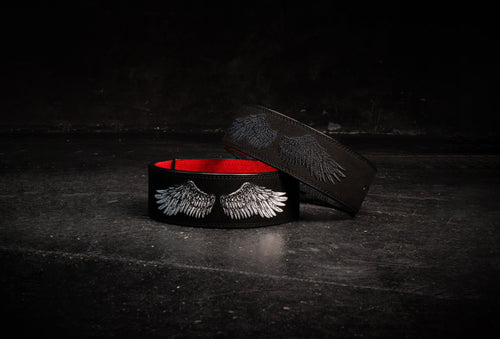
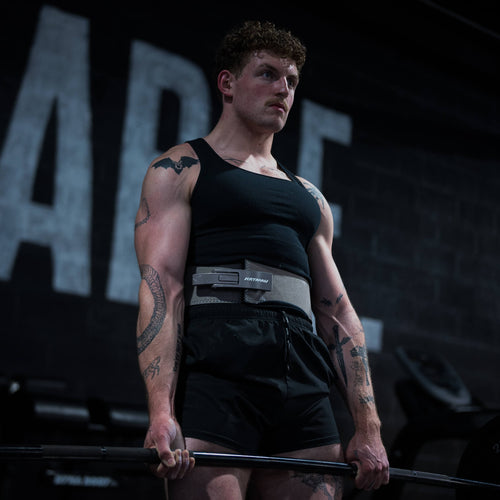
If one item defines serious strength training, it is the lifting belt. Among all lifting gear types, this is usually the first real investment because the payoff is obvious. A good belt gives your core something to brace against, which can improve stability under heavy squats, deadlifts, rows, and presses.
That said, not every lifter needs a belt for every set. If you are warming up with manageable loads, going beltless can help you build natural bracing awareness. Once intensity climbs, the belt becomes a tool for producing more tension and staying locked in.
Lever belts are especially popular with strength athletes because they are fast to secure, consistent, and built for heavy work. Once the fit is dialed in, you get the same locked position every time. That consistency matters when you are chasing clean reps under serious weight. The trade-off is adjustability. If your bodyweight changes a lot or you want a looser fit for some movements, a lever setup can be less flexible than other belt styles.
A belt should feel supportive, not like armor you hide inside. If your bracing is poor, the belt will not fix that. It will just make bad habits feel more secure.
Knee sleeves help more than people think
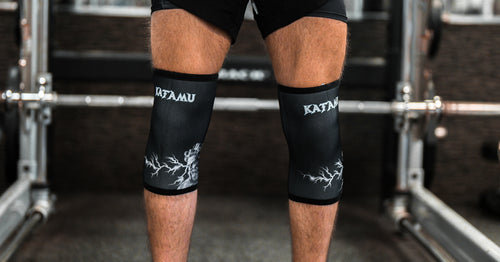
Knee sleeves sit in a sweet spot between support and confidence. They are not a magic fix for pain, and they are not a replacement for solid movement quality. What they do well is provide compression, warmth, and a more stable feeling at the knee joint during squats, lunges, leg presses, and other lower-body work.
For lifters who train hard and often, that warmth matters. Warm joints usually feel better under repeated loading, especially during colder sessions or long workouts where your body cools down between top sets. Sleeves can also make heavy squats feel more secure, which is not just physical. Confidence under the bar changes how you move.
There is a difference between using sleeves for support and depending on them for every leg movement, no matter how light. If you only feel stable with them, it is worth checking whether mobility, technique, or load management is the real issue. Still, for heavy training blocks, quality knee sleeves are one of the easiest upgrades you can make.
Wrist wraps are for pressing power and control
Wrist wraps are simple, but when used well, they make a real difference. They help stabilize the wrist joint during pressing movements like bench press, overhead press, and even front rack work for some lifters. If your wrists fold back under load, wraps can help keep your position stronger and more stacked.
This matters most when the bar starts getting heavy or volume gets high. A stable wrist can improve force transfer and reduce that shaky, exposed feeling at the bottom of a press. For lifters with a history of wrist discomfort, wraps often become a regular part of upper-body training.
The trade-off is that some people start wrapping up for everything, including weights that do not require it. That is not always necessary. Wraps are a performance tool. Use them when they add value, not as a default costume piece.
Straps solve a grip problem, not every problem
Lifting straps are one of the most misunderstood tools in the gym. Some lifters avoid them because they think straps are cheating. Others use them so often that their grip becomes the weak link they never train. The truth is more balanced.
Straps are useful when grip is limiting the target muscle or movement before the rest of your body is actually challenged. Think heavy Romanian deadlifts, rows, shrugs, or high-volume back work. If your hands give out before your posterior chain or upper back gets enough work, straps can keep the set focused where it should be.
But if you use straps on every pulling movement from the start, you can end up with strong back numbers and underdeveloped grip strength. That matters more than people think, especially for deadlifting and overall bar control. The smart move is to train raw when grip development is part of the goal, then bring in straps when grip becomes a bottleneck to productive volume.
Compression apparel is not just for looks
A lot of lifters put compression shirts and fitted training layers in the style category first. That misses the point. Good compression gear can improve comfort, reduce distraction, and create a more locked-in training feel. When fabric stays in place, manages sweat, and moves with you through heavy sessions, it stops being cosmetic and starts being functional.
This is especially true for athletes who train hard year-round and want gear that can handle repeated use without stretching out or feeling cheap after a few washes. Performance apparel also affects mindset. If your training gear feels serious, you usually train more seriously in it.
Of course, not all compression wear performs the same. Some pieces are more about aesthetics than utility. Nothing wrong with that, but if function is the priority, look for fit retention, mobility, and durability before hype.
The right setup depends on how you train
This is where context matters. A powerlifter pushing top-end strength will usually get more immediate value from a lever belt, knee sleeves, and wrist wraps. A bodybuilder might lean more on straps, sleeves, and apparel that stays comfortable through long hypertrophy sessions. A general gym athlete may only need a belt and straps at first, then add pieces as training gets heavier and more specific.
Experience level matters too. Newer lifters often benefit from keeping gear simple while they build technique and consistency. More advanced lifters usually have a clearer sense of where support makes them stronger and where it just adds clutter.
If you train four to six days a week, quality becomes even more important. Cheap gear does not stay cheap when it wears out fast, loses support, or starts failing during real use. Premium lifting gear is about repeat performance, not just a better first impression.
How to choose without wasting money
The smartest way to buy is to start with your biggest need. If your heavy compounds feel unstable, start with a belt. If your knees take a beating during lower-body days, sleeves make sense. If your wrists get shaky under pressing volume, wraps are the move. If your back training is getting capped by grip fatigue, add straps.
After that, think about build quality and consistency. A piece of gear should hold up under repeated hard sessions. It should feel secure, fit right, and do the same job every time you use it. Gear that slips, stretches, or breaks down quickly is more than annoying. It interrupts momentum.
This is also where brand standards matter. A company like Katamu fits the serious lifter mindset because the expectation is not just basic utility. It is performance, durability, and gear that looks as sharp as it works.
What matters most
The best lifting gear types are the ones that make your training stronger, cleaner, and more confident without turning every session into a costume change. Belts, sleeves, wraps, straps, and compression pieces all have a place. But they work best when you know why you are using them.
Buy for your training, not for somebody else’s setup. The right gear should feel like an extension of your discipline. When it does, every heavy set starts with more intent.
