 30-Day Money Back Guarantee


Your gym bag tells the truth before your first warm-up set. A frayed belt, stretched-out wraps, damp clothes pressed against your shoes, and straps buried under loose accessories all signal the same problem: gear that cannot keep pace with your training.
The strength gear trends 2026 are not about buying more equipment for the sake of it. They are about choosing pieces that earn a permanent place in your rotation. Lifters are moving past throwaway accessories and generic gym apparel. They want support under heavy load, durability through repeated sessions, and a look that carries the same intensity as the work.
That shift matters whether you are building toward a new personal best, chasing more size, or simply refusing to train half-heartedly. The best gear is no longer an afterthought. It is part of how serious athletes show up.
Strength Gear Trends 2026: Built for Real Training
The biggest trend is simple: fewer weak links. Lifters are becoming more selective about the equipment they use every day. A belt needs to feel dependable when the bar gets heavy. Knee sleeves should stay in place through squats, lunges, and leg presses. Wrist wraps and straps need to perform session after session instead of becoming disposable after a few hard weeks.
This is not about claiming that one accessory transforms your strength overnight. Technique, programming, sleep, and nutrition still do the heavy lifting. But the right support gear removes distractions. When your wrists feel secure on a pressing day or your belt gives you a consistent brace on squats and deadlifts, you can put more attention where it belongs: executing the rep.
In 2026, the strongest buying signal is repeat use. Athletes are asking practical questions before adding something to cart. Will this hold up to four training days a week? Does it fit the way I train? Will I still want to wear it six months from now? If the answer is no, the lower price stops looking like a bargain.
Lever Belts Stay at the Center
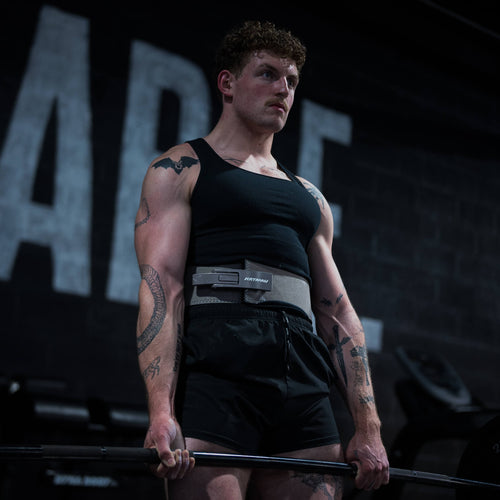
Lever belts remain a defining piece of serious lifting gear because they offer a fast, locked-in feel when you need to brace with intent. They are especially appealing to athletes who value consistency from set to set. Once you know your preferred setting, getting ready for a heavy top set becomes direct and focused.
The trade-off is that a lever belt is less forgiving when your bodyweight or preferred tightness changes. Some lifters like a more adjustable setup for different movements, phases of training, or days when they want a slightly different fit. Neither option is automatically better. The right choice comes down to how you train and how much consistency matters to you.
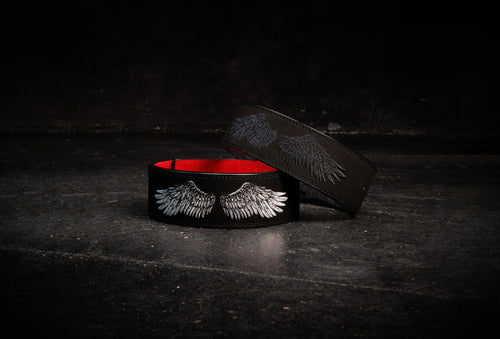
What is changing is the expectation around design. Lifters do not want a serious belt that looks like an afterthought. Clean hardware, strong visual identity, and colorways that work with the rest of a training fit are becoming part of the decision. Performance is the entry requirement. Presence is the difference-maker.
Support Gear Is Getting More Intentional
The era of throwing on every accessory for every lift is fading. Smarter lifters are using gear with a purpose.
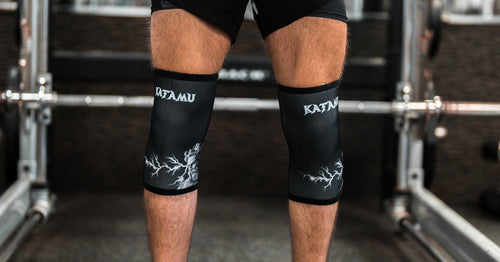
Knee sleeves are chosen for warmth, compression, and a more secure feeling during demanding lower-body work. Wrist wraps come out when pressing volume or loading calls for extra support. Lifting straps help athletes train their back, hamstrings, and pulling movements hard when grip is the limiting factor rather than the target muscle.
The trend is not maximum assistance. It is targeted assistance. If you are building grip strength, you may leave straps in your bag for lighter pulling work. If your wrists feel solid during a moderate session, wraps may not be necessary for every set. Gear should support the objective, not replace the discipline behind it.
That is also why strength kits continue to make sense for newer lifters and experienced athletes rebuilding a worn-out setup. A coordinated system cuts out guesswork. Instead of buying random accessories with different fits and inconsistent quality, you can build a foundation around the movements you actually train.
Performance Apparel Is Now Part of the Equipment
Strength training apparel used to live in two separate lanes: technical basics or oversized casual wear. In 2026, that gap is shrinking. Athletes expect apparel to move through a hard session while still looking intentional outside the gym.
Compression shirts, training shorts, hoodies, and heavyweight layers are being chosen with the same scrutiny as belts and sleeves. The question is not just, “Can I train in this?” It is, “Does this match the standard I bring to training?”
Fit still has to work first. A shirt that restricts your shoulders is not useful on an upper-body day, no matter how good the graphic looks. Shorts need to move through deep ranges of motion. Hoodies should layer comfortably before warm-ups and after the session. But style has become a real performance factor in its own way. When you feel dialed in, you carry yourself differently under the bar.
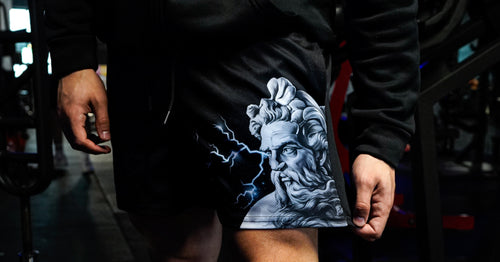
This is where limited-drop energy has changed the market. Athletes want collections that feel connected to an attitude, not generic pieces stamped with a logo. Darker palettes, bold graphics, heritage-inspired elements, and clean premium silhouettes give lifters room to show personality without losing the training-first edge.
Katamu reflects this shift by treating lifting essentials and apparel as one ecosystem, not two unrelated categories. Your belt, sleeves, shirt, and bag should feel like they belong in the same training life.
The Gym Bag Becomes a Training System
One of the most practical strength gear trends 2026 is better gym organization. Serious lifters carry more than a water bottle and headphones. There are shoes, a belt, sleeves, wraps, straps, a change of clothes, food, recovery items, and often work or school essentials.
A basic duffel can handle the volume until it cannot handle the chaos. Wet clothes end up against clean gear. Shoes roll into your apparel. A belt takes up the entire main compartment or gets bent around whatever else is inside. The result is not just annoying. It makes it easier to forget the gear you needed for the session.
Purpose-built gym bags are becoming a priority because they reduce that friction. Separate storage for shoes and damp items protects the rest of your pack. A dedicated place for a lever belt prevents the piece you rely on most from becoming an awkward loose object. Strong materials matter when the bag is being dragged from campus to work to the gym and back again.
For athletes who train around a full schedule, organization is performance. Less time digging through your bag means more time warming up properly, loading plates, and getting home when the work is done.
Style Will Keep Getting More Personal
The most interesting change is not a single product category. It is the refusal to separate strength from identity. The gym has become a place where athletes build a body, but also a code: show up, carry the load, repeat.
That is why bland gear is losing ground. Lifters want equipment that feels personal, whether that means a sharp all-black setup, a statement belt, a graphic-heavy hoodie, or a bag built to survive the pace of their week. The goal is not to look loud for attention. It is to wear gear that matches the standard you are building.
There is a line worth protecting here. Style without function is costume. Function with no character becomes forgettable. The strongest gear choices sit in the middle: durable enough for hard training, designed well enough that you want to reach for them every session.
As you update your setup this year, do not chase every new release. Look at the points where your current gear fails you - support, comfort, organization, or confidence. Replace the weak link, train with it long enough to know it, and let every piece in your bag earn its place.
