
 30-Day Money Back Guarantee

The difference shows up fast. One athlete looks explosive in the first step, stable under contact, and sharp late in the session. Another has decent skill but leaks power everywhere - off the ground, through the core, and in every change of direction. That gap is exactly where strength training for athletic performance earns its place.
This is not about chasing gym numbers for their own sake. It is about building force you can actually use when the pace spikes, the field opens, or the bar gets heavy. Stronger athletes usually express more power, absorb force better, and hold position under fatigue. But only when the training matches the sport, the season, and the athlete in front of you.
What strength training for athletic performance really means
A lot of athletes hear "strength training" and think bodybuilding split, random machine work, or maxing out until the joints start arguing back. Athletic strength training is different. The goal is not just to build muscle or move the most weight possible. The goal is to improve the physical qualities that transfer to performance.
That usually means producing more force, producing it faster, and controlling it in positions that matter. A sprinter needs stiffness and projection. A basketball player needs force in single-leg positions and clean deceleration. A lineman needs brute strength, but also the ability to repeat high-output efforts without losing posture.
The best programs respect that specificity without becoming too narrow. Squats, hinges, presses, rows, loaded carries, jumps, and sprints still matter because they build broad athletic qualities. Sport skill sharpens how those qualities get used. The weight room supports the game. It does not replace it.
Why stronger athletes usually perform better
Strength is the base layer for most athletic traits people care about. Power depends on force. Speed depends on force applied quickly. Change of direction depends on force production and force absorption. Even durability is tied to how well your body handles load.
If an athlete is weak, there is often a lower ceiling on everything built above it. They may still be skilled and competitive, but they usually have to work harder for outputs a stronger athlete reaches more naturally. That matters over a full season, not just one highlight play.
There is a trade-off, though. More strength is not always better if it comes with excess fatigue, poor mobility, or mass that does not serve the sport. A 198-pound athlete who moves like a problem is usually in a better place than a 215-pound athlete who got stronger in the gym but slower on the floor. Athletic performance rewards usable strength, not just more plates.
Build the right qualities, not just bigger lifts
The cleanest strength programs for athletes focus on a few core outcomes.
First, you need maximal force production. This is your raw strength ceiling. Heavy squats, trap bar deadlifts, split squats, presses, and rows help here. Getting stronger raises the potential for power and resilience.
Second, you need rate of force development. In plain terms, how fast can you express that strength? Jumps, medicine ball throws, Olympic lift variations, and fast concentric work help bridge the gap between strong and explosive.
Third, you need force absorption and positional control. This is where deceleration, landing mechanics, pauses, tempo work, and unilateral training matter. Plenty of athletes can create force. Fewer can own awkward positions, stop hard, and stay stacked when the game gets chaotic.
Fourth, you need tissue tolerance. Tendons, connective tissue, grip, trunk stiffness, and joint integrity all matter. This part is less flashy, but it keeps training consistent. Consistency still wins.
The lifts that carry over most often
Athletes love variety, but the basics keep earning their spot because they work. Lower-body compound lifts build the engine. Squats teach force through the floor. Deadlift patterns build posterior chain strength. Split squats and lunges expose side-to-side imbalances and improve single-leg control.
Upper-body work should support force transfer, posture, and contact tolerance. Presses matter, but rows, pull-ups, and other upper-back work often deserve just as much attention. A strong upper back helps athletes hold position, brace better, and stay cleaner under load.
Then there is the core, which gets misunderstood all the time. Athletic core training is less about high-rep ab circuits and more about resisting movement, transferring force, and staying locked in under speed or impact. Carries, rollouts, anti-rotation work, and heavy bracing drills do more for most athletes than endless crunches.
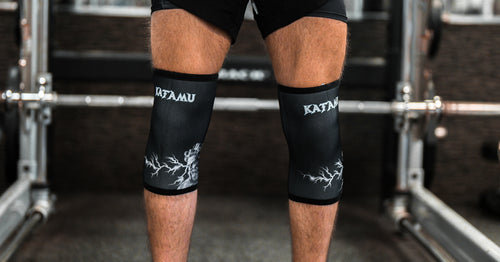
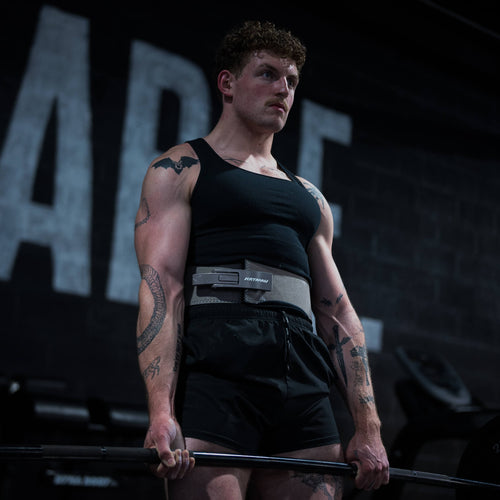
If you train hard enough to need support gear, use it with intent. Belts can improve bracing on top-end compound lifts. Wrist wraps and knee sleeves can increase confidence and support under heavier loading. Straps can be useful when the target is back work and grip would otherwise be the limiter. None of that replaces strength. It helps you express it more efficiently when the load climbs.
How to organize training without frying your performance
The mistake a lot of competitive athletes make is treating lifting like a separate sport. If your practices, games, conditioning, and lifting sessions all demand max output at once, something gives. Usually speed, recovery, or joints.
Offseason is where the biggest strength push usually makes sense. There is more room to accumulate volume, chase progressive overload, and spend time fixing weak links. In-season training should protect strength and power, not bury the athlete in soreness.
For most field, court, and combat athletes, two to four lifting sessions per week is enough. The exact number depends on training age, practice demands, sleep, and how stressful real life is. College athletes dealing with class, work, and inconsistent recovery do not always benefit from the same volume as someone with a cleaner schedule.
A smart week often balances one heavier lower-body emphasis, one heavier upper-body emphasis, and one or two faster, lower-fatigue sessions built around jumps, explosive lifts, accessories, and tissue work. The plan should leave room for performance outside the weight room. If lifting is making you slower, flatter, or beat up all week, the program is missing the point.
Common mistakes that kill transfer
One of the biggest mistakes is training hard without training specifically. Crushing yourself with volume feels productive, but fatigue can hide whether the work is actually improving performance. More is not more if it blunts speed and movement quality.
Another mistake is ignoring movement quality because the athlete is strong enough to fake it. A squat that shifts, a hinge that turns into all low back, or a jump landing that collapses at the knee all tell you the same thing: output without control is borrowed time.
There is also the classic mistake of copying elite lifters or pro athletes without context. Their exercise menu, workload, and recovery setup may not fit your sport or schedule. What works for a heavyweight power athlete is not automatically right for a guard, winger, or midfielder.
And then there is ego loading. Athletic strength training should challenge you, but forcing jumps in load before positions are owned usually costs more than it pays. Real progress looks heavy and clean, not heavy and sketchy.
Gear matters when the work gets serious
When training intensity rises, equipment stops being just aesthetic. It becomes part of how you stay consistent. A belt that locks in your brace, sleeves that keep your knees warm and supported, wraps that help stabilize the wrist, and compression gear that moves with you under hard sessions all make a difference over time.
Serious athletes notice small edges. Not because gear performs the lift for you, but because confidence, support, and durability matter when you are stacking sessions week after week. Cheap gear breaks focus. Worse, it breaks when you need it most. Premium lifting equipment should feel like part of the system, not an afterthought.
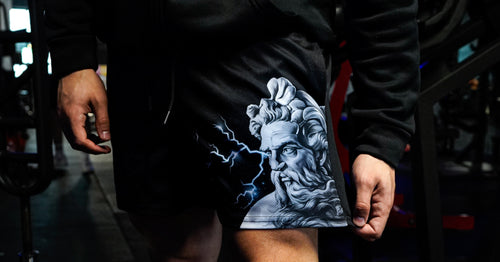
That is why athletes who care about performance usually care about quality. If you are training with intent, your gear should match that standard. Katamu sits naturally in that space - built for lifters who want support, durability, and a look that hits with the same intensity as the session.
What progress should actually look like
You do not need to feel destroyed after every workout to know the plan is working. Better signs are cleaner acceleration, more pop on jumps, stronger positions in contact, less breakdown late in training, and steady progress on key lifts without joint irritation.
In some phases, the scale may go up. In others, it should not. Some athletes need more muscle to raise their ceiling. Others need to get stronger without drifting too far from their competition weight. It depends on the sport and the athlete.
The best test is simple: are you becoming harder to move, quicker to react, and more efficient in the actions your sport demands? If yes, your strength work is doing its job. If not, it is time to adjust exercise selection, volume, or timing.
Strength changes how you carry yourself before it changes how people describe you. You feel more stable, more dangerous, more in control. Train for that version. Build strength that shows up when speed matters, when contact matters, and when fatigue tries to pull your form apart. That is the kind of power that lasts.
