 30-Day Money Back Guarantee


The bar is loaded, your warm-up is over, and the next set demands your full attention. The top lever buckle benefits matter in this moment because your belt should not become another problem to solve. A quality lever buckle gives serious lifters a fast, firm, repeatable closure so they can set up with intent and attack the weight.
A lever belt is not magic. It will not replace a strong brace, clean technique, or smart load selection. What it can do is make a properly fitted lifting belt easier to use with consistency - and consistency is where confidence starts to build.
Top Lever Buckle Benefits Under Heavy Load
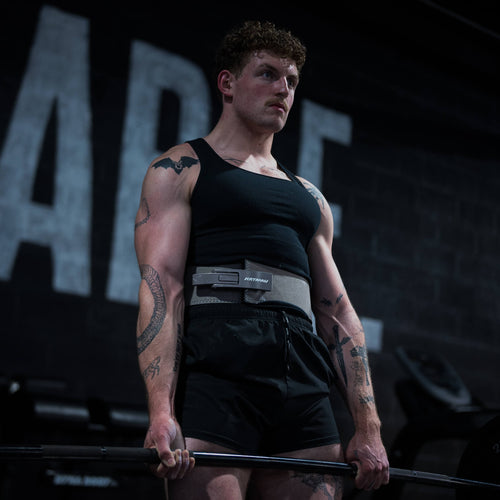
The defining advantage of a lever buckle is its locked-in feel. Once the belt is adjusted to the right position, closing the lever creates a secure, consistent fit around your midsection. There is no guessing whether you pulled the prong tight enough before stepping to the platform, rack, or deadlift bar.
That repeatability matters when training gets serious. Your belt should sit at the same tension set after set, helping you practice the same bracing pattern when it is time to squat, pull, press, or move through hard accessory work. A stable setup lets you put more mental energy into your breath, body position, and execution.
A lever closure also delivers speed. Rather than feeding a strap through holes and manually fastening it every time, you close the lever and get to work. Between demanding sets, that small difference can keep your training moving without sacrificing the deliberate routine that heavy lifting requires.
Repeatable tension, not a different fit every set
Prong belts are effective and trusted for a reason, but they can leave room for variation. On one set, you may tighten the belt aggressively. On the next, you may settle for a slightly looser hole because you are rushed, fatigued, or trying to avoid fighting the buckle.
With a lever buckle, the closure returns to the setting you chose. That does not mean every lifter needs maximum tightness. In fact, a belt that is too tight may make it harder to get the deep, controlled breath needed to brace well. The goal is firm support with enough room to create pressure through your torso, not a restriction that turns every rep into a battle before the lift even begins.
For lifters who value a dialed-in setup, this is one of the strongest reasons to choose a lever system. You establish the fit, learn how it feels, and make that fit part of your pre-lift ritual.
Faster Setup Keeps Your Training Sharp
Heavy training has a rhythm. Chalk up. Set your stance. Breathe. Brace. Lift. Gear that works quickly supports that rhythm instead of interrupting it.
A lever buckle is especially useful when your session includes multiple hard working sets. You can secure the belt with a decisive motion, then release it after the set without wrestling with a strap. That convenience is not about cutting corners. It is about keeping your attention where it belongs: on the work.
The faster closure can also be useful during normal gym traffic. If you train in a busy college gym or after work, you may be moving between a rack, a platform, and accessory equipment while managing limited time. A lever buckle helps reduce the fiddling that can make a focused session feel scattered.
There is a trade-off. A prong belt can be easier to adjust by a hole in the middle of a workout if your body changes noticeably from meal timing, hydration, or a major shift in the type of lift. Lever systems are designed around a more fixed setting. If you regularly want substantially different tightness for squats versus deadlifts, take that into account before choosing your setup.
A secure closure that feels intentional
The feel of a lever buckle is part function, part mindset. Closing the lever gives you a clear physical signal: it is time to lift. For athletes who train with purpose, that moment can become a powerful cue to lock in.
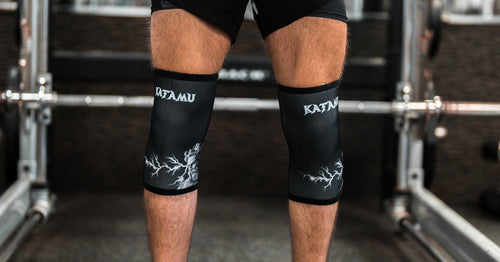
This is not about pretending that equipment does the work. It is about building a routine that supports better effort. The same way wrist wraps, knee sleeves, straps, and the right training shoes can help you feel prepared for a specific task, a well-fitted lever belt creates a dependable point of contact before a demanding set.
That confidence has value when the weights rise. Not false confidence. Earned confidence built through repeated practice with gear that feels familiar, secure, and ready for the next rep.
Better for Lifters Who Want a Clean, Premium Look
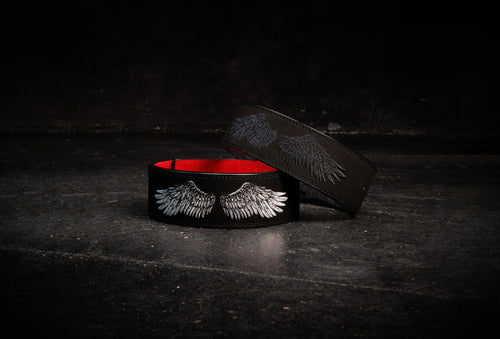
Strength gear is functional, but it is also part of how you show up. A lever buckle has a clean, bold profile that suits lifters who want their equipment to match the intensity of their training. It looks deliberate, not disposable.
For athletes building a complete gym setup, details matter. Your belt, wraps, sleeves, apparel, and bag all take regular abuse. Choosing gear with a cohesive, premium feel is not vanity. It reflects a standard. You came to train hard, and your setup should feel built for that purpose.
Katamu designs lifting gear for athletes who see training as more than a checkbox. A lever buckle belongs in that mindset: direct, durable in feel, and made to support the work without watering down your style.
When a Lever Buckle Makes the Most Sense
A lever buckle is a strong option if you train consistently, prefer a reliable belt setting, and want fast transitions between sets. It is particularly appealing for lifters who take their squat and deadlift work seriously and want a closure that feels firm when bracing against the belt.
It may be less ideal if you are brand new to belts and still figuring out where the belt should sit or how tightly you prefer it. Beginners can absolutely use a lever system, but they should first spend time learning the basics: breathe into your abdomen and sides, create tension through your trunk, and maintain controlled positioning. The belt is feedback for a good brace, not a substitute for one.
Fit is the deciding factor. Your body shape, belt placement, lifting style, and training goal all influence what feels right. Some lifters wear a belt in the same spot for nearly every lift. Others shift it higher or lower depending on the movement. Know your habits before committing to a fixed lever setting.
Getting the most from your lever belt
Start with the belt positioned where you can brace hard without pinching or limiting your setup. Before your first hard set, take a full breath and test the closure at your planned working tension. You want to feel supported while still being able to expand into the belt.
Use the same setup process each time. Place the belt, set your stance, breathe with control, and close the lever only when you are ready to lift. Over time, that repetition makes the belt feel less like an accessory and more like a reliable part of your training system.
Also check your buckle and belt regularly. Keep the closure clear of grime, avoid throwing it loose into the bottom of a packed gym bag, and store it where it will not get crushed beneath shoes or plates. Small habits protect the gear you rely on when the session gets heavy.
A lever buckle earns its place when it helps you approach every hard set with less distraction and more intent. Get the fit right, build your brace around it, and let that final click remind you that the work starts now.
