 30-Day Money Back Guarantee

Your phone should not be sliding across the gym floor between sets, digging into your waistband during squats, or forcing you to leave it on a bench across the room. Training shorts with phone pocket solve a small problem that becomes obvious the moment your session gets serious: where do you keep the one thing you use for music, timers, programs, and progress tracking without letting it disrupt your training?
For lifters, the answer is not just any oversized side pocket. A phone pocket has to stay secure under load, move with your body, and keep the silhouette clean enough to look sharp from warm-up to the last hard set. The details matter because the work matters.
Why a Phone Pocket Changes Your Training
A phone is part of modern training. It holds the playlist that gets you focused before a top set. It runs your timer between heavy singles. It stores the program, records the PR, and gives you a camera when your form needs a second look. Leaving it loose in a gym bag is not always practical, especially in busy weight rooms where you are moving from racks to platforms to cable stations.
The right pocket keeps it close without making you think about it. That is the goal. You should be able to brace, hinge, sprint, lunge, and sit into a deep squat without checking whether your phone is about to fall out.
This is where placement matters more than pocket size. A well-built phone pocket sits close to the leg, usually along the thigh or integrated into a compression liner. That close fit reduces bounce and prevents the phone from swinging against your leg while you walk, run, or move through dynamic work. A loose, open pocket may be fine for a casual pump day, but it becomes a distraction when you are training with pace and intent.
There is a trade-off. The tighter and more secure the pocket, the more deliberate it can be to access your phone. For serious training, that is usually a fair exchange. Your phone should be available when you need it, not constantly demanding your attention.
What to Look for in Training Shorts With Phone Pocket
The pocket is the headline feature, but the construction around it determines whether the shorts earn a place in your rotation. Premium training apparel should help you move hard, not ask you to adjust it every five minutes.
Pocket security comes first
Look for a pocket that holds your phone flat against the body. A compression-liner pocket is often the strongest choice for athletes who combine lifting with conditioning, because the liner creates a locked-in fit. A zippered side pocket can also work well for walking into the gym, commuting, or carrying keys and cards, but zippers may feel less comfortable during floor work or high-rep movements depending on their placement.
For most gym athletes, an open thigh pocket with a firm, elastic opening offers the best balance. It gives you quick access between sets while keeping the phone stable when you move. The opening should have enough tension to retain a larger phone without turning retrieval into a fight.
Test the idea against your actual training. If your sessions include sled pushes, box jumps, incline walking, or circuits, prioritize retention. If you mainly lift heavy with long rest periods, accessible side storage may matter more. There is no universal winner, only the right build for how you train.
Fabric needs stretch, recovery, and grit
Training shorts take abuse. They meet textured benches, rough barbells, repeated washes, sweat, and the constant friction of loaded movement. Lightweight fabric is useful, but paper-thin material can feel cheap, become transparent under tension, or lose its shape fast.
A quality stretch fabric gives you room to hit depth in squats and lunges without pulling across the hips. Just as important, it needs recovery. Shorts that stretch easily but stay bagged out after a few wears do not look premium and do not perform like it either.
Moisture management also changes the feel of a session. On high-volume leg days or conditioning work, fabric that dries quickly keeps the shorts from clinging and helps prevent that heavy, soaked feeling. If you train in a hot garage gym, walk to campus after lifting, or stack cardio onto your strength work, this is not a minor feature.
The waistband should stay planted
A phone pocket adds weight, even if it is only a few ounces. That makes waistband construction more important than many athletes realize. If the waistband rolls, slips, or digs in when a phone is loaded into one side, the shorts will become annoying fast.
A secure elastic waistband paired with an adjustable drawcord gives you options. You can cinch it down for conditioning, then keep it comfortable for lifting. The fit should feel stable at the waist without needing to be painfully tight. Your belt, if you wear one, should also sit naturally over the waistband rather than bunching the fabric underneath.
Length is a performance decision
Short length is personal, but it affects mobility and how the pocket sits. Five-inch and seven-inch inseams are popular for a reason: they keep fabric clear of the knees, show the work you have built in your quads, and move easily through squats and deadlifts. A longer inseam can suit taller athletes or anyone who wants more coverage, but too much fabric can catch at the knee when you train deep.
The right length should feel athletic, not restrictive. If you are constantly pulling the hem up before a set, the cut is working against you.
Built for More Than the Weight Room
The strongest pairs of training shorts do not force you to choose between lifting functionality and all-day wear. They should handle a heavy lower-body session, a quick stop for food, and the walk back to class without looking like disposable workout gear.
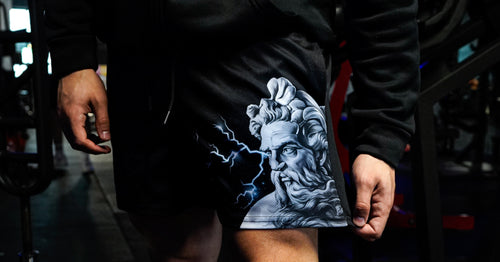
That is where a clean design earns its place. Overloaded pockets, loud contrast panels, and bulky utility details can make shorts feel more tactical than athletic. A sharp, minimal build gives you more ways to wear them while keeping the attention on fit, movement, and fabric.
Style is not separate from performance. When your gear fits right and matches the standards you bring to training, you carry yourself differently. You walk into the gym prepared. You do not waste energy adjusting loose fabric or hunting for your phone. You focus on the next set.
Katamu approaches training apparel with that same standard: performance pieces built to match the intensity of serious lifters, without losing the presence that makes gym culture feel personal.
How to Choose the Right Pair for Your Training
Start with the training you do most often, not the workout you imagine doing once a month. A powerlifter who spends most of the session around a rack has different needs than an athlete who alternates hypertrophy work with sprints and carries.
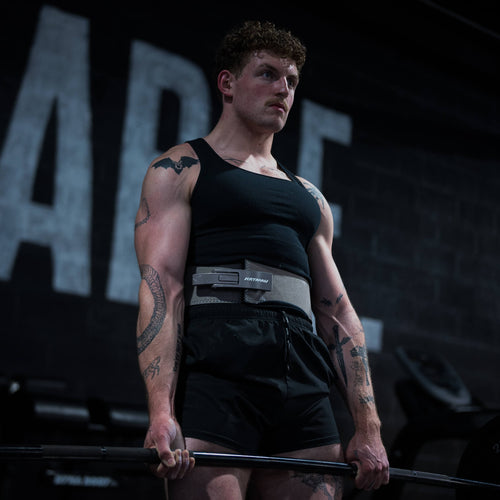
For heavy lifting, choose shorts with deep stretch through the hips, a stable waistband, and a phone pocket that remains comfortable beneath or beside a lifting belt. A lined design can be useful if you want more support and less movement from the phone during squats and deadlifts.
For bodybuilding, look for freedom of movement and a cut that stays out of the way during machines, leg extensions, lunges, and high-rep work. You may prefer a pocket that is easy to reach when logging sets or changing music between exercises.
For hybrid training, security becomes non-negotiable. Running, jumping, rowing, and burpees expose every weak point in a pair of shorts. The phone should not bounce, the hem should not ride up aggressively, and the liner should stay comfortable once sweat builds.
Do not ignore the size chart. Training shorts that are too loose can turn a good pocket into a useless one, while an overly tight pair can limit hip movement and make the phone pocket feel intrusive. If you are between sizes, think about your build and preferred fit. Bigger quads, glutes, or a more muscular lower body may call for extra room, while athletes who prioritize a locked-in compression feel may prefer the closer option.
Keep the Pocket Working
Even premium shorts need basic care. Empty the pocket before washing, especially if you carry keys, earbuds, or a card holder. Wash cold when possible, avoid excessive heat, and skip abrasive items that can snag the fabric or stress elastic trim.
It also helps to use the phone pocket for what it is designed to carry: your phone. Loading it with a phone, keys, wallet, lifting straps, and loose change will pull the shorts off balance and wear the pocket faster. Keep heavier essentials in a gym bag, then let your shorts handle the essentials that need to stay on you.
The best training apparel removes friction from your routine. Choose shorts that keep your phone secure, your movement unrestricted, and your look dialed in. Then put the phone on silent, load the bar, and make the session count.
