 30-Day Money Back Guarantee

Looking to boost your lifts and protect your back in 2026? The right weightlifting belt can be the game-changer that levels up your strength, safety, and performance. With so many options out there, finding the perfect fit can feel overwhelming.
Our weightlifting belt reviews cut through the clutter, spotlighting the latest innovations, styles, and top-rated picks for every budget and training style. Whether you are a powerlifter, Olympic lifter, or just want better support in the gym, this guide is designed to help you make a confident choice.
Discover the 10 best belts on the market, from budget-friendly basics to premium designs. Ready to find your new training partner? Dive into our expert reviews and see which belt matches your goals.
Why Use a Weightlifting Belt?
Lifting heavy is rewarding, but it comes with risks. Whether you are new to the gym or chasing your next personal record, understanding why so many athletes trust a belt is key. This section of our weightlifting belt reviews explains the real science and practical benefits so you can train smarter and safer.
The Science Behind Weightlifting Belts
A core reason belts are so popular is their ability to boost intra-abdominal pressure. This internal pressure acts like a natural brace, helping stabilize your spine during demanding lifts. Studies have shown that athletes wearing a belt experience less spinal compression and greater trunk stability.
Research also points to reduced injury rates among lifters who use belts correctly. According to a systematic review of injuries in weightlifting and powerlifting, appropriate use of equipment like belts can lower the risk of strains and serious back injuries. This evidence is at the heart of many weightlifting belt reviews, emphasizing their role in both safety and performance.
The science is clear: belts are not just for elite powerlifters. Anyone pushing heavy weights can benefit from the extra support and confidence a quality belt provides.
Key Benefits for Different Types of Lifters
Weightlifting belt reviews highlight how belts help across all training levels. For powerlifters and Olympic athletes, belts are essential for squats, deadlifts, and cleans. They allow you to brace harder and lift heavier with reduced risk.
Beginners find belts boost confidence and help maintain proper form, especially as weights increase. Experienced lifters rely on belts for maximal lifts, where every ounce of support counts.
Consider these real-world benefits:
- Heavier, safer lifts for advanced athletes
- Improved posture and technique for newcomers
- Extra protection during high-intensity or rehab sessions
No matter your goal, a belt can help you push further while minimizing setbacks. That’s why so many weightlifting belt reviews recommend them for anyone serious about strength training.
Common Myths and Misconceptions
There are plenty of myths swirling around weightlifting belt reviews. One common misconception is that wearing a belt weakens your core. In reality, when used properly, belts help train core stability and do not replace core exercises.
Belts are not needed for every set or exercise. Use them for heavy, compound lifts, not light warmups or isolation moves. Another myth involves sizing: a snug, secure fit is crucial, but belts should never be painfully tight.
Let’s clear things up:
- Belts do not cause core weakness when used correctly
- Proper fit matters more than just the number on the tag
- Belts are tools, not crutches, for big lifts
Understanding these points will help you get the most out of your gear, as confirmed by honest weightlifting belt reviews.
When Should You Wear a Belt?
Deciding when to strap on a belt is a frequent question in weightlifting belt reviews. Most experts suggest wearing a belt during lifts at or above 80 percent of your one-rep max, especially for squats, deadlifts, and overhead presses.
Belts are also useful during high-volume sets, heavy singles, or when returning from injury. However, avoid wearing a belt for every exercise—save it for when you need extra support.
Here’s what the pros recommend:
- Use a belt for heavy compound lifts (80 percent 1RM and up)
- Skip the belt for warmups and accessory work
- Consider a belt during rehab or if you have a history of back issues
Listening to your body and following expert advice ensures you get the most out of your training and your belt.
How to Choose the Right Weightlifting Belt
Choosing the right belt can feel overwhelming, but understanding key factors makes the process much easier. Whether you are comparing options for your first purchase or upgrading, this section guides you through all the essentials for smart weightlifting belt reviews.
Types of Weightlifting Belts
Weightlifting belts come in several styles: lever, single or double prong, and Velcro. Lever belts offer quick adjustments and a snug fit, making them popular for powerlifting. Prong belts provide classic durability and are often preferred by traditionalists. Velcro belts, usually made from nylon, are lightweight and flexible, ideal for functional training or CrossFit.
Material matters too. Leather belts are stiffer and more supportive, perfect for heavy squats and deadlifts. Nylon belts are softer, providing comfort and versatility for dynamic movements. For a detailed breakdown of belt types and their pros and cons, check out Gym Belt Options Explained.
Different belt widths and thicknesses suit various sports. Powerlifters often select 10mm or 13mm thick belts, while Olympic lifters may choose contoured designs for mobility. Understanding these distinctions is crucial when reading weightlifting belt reviews.
Key Features to Consider
When evaluating weightlifting belt reviews, focus on durability, adjustability, and comfort. A quality belt should withstand years of use, resist stretching, and maintain its shape. Look for reinforced stitching, sturdy buckles, and high-grade materials.
Adjustability is vital for a secure fit. Lever and Velcro belts excel in quick changes, while prong belts allow for fine-tuned sizing. For competitors, check if the belt is approved by organizations like IPF, USAPL, or USPA.
Buckle mechanisms also impact ease of use. Lever buckles are fast but may not suit every lift. Prong closures are secure but slower to adjust. Velcro offers convenience but may wear faster. Compare these features closely in weightlifting belt reviews to find your ideal match.
Sizing and Fit Tips
Proper sizing is essential for safety and performance. Always measure your waist where the belt will sit, not your pants size. Most brands provide sizing charts to guide you.
Try on different belts if possible, as break-in periods can vary. Leather belts often require time to mold to your body, while nylon options are flexible from day one. Avoid common mistakes like choosing a belt that's too loose or too tight, which can compromise support.
When reading weightlifting belt reviews, pay attention to feedback on fit and sizing accuracy. Following these tips helps ensure your belt delivers optimal support every session.
Price vs. Value
Weightlifting belts range from budget-friendly nylon models to premium leather options. Budget belts are great for beginners or those with lighter training loads. Mid-tier belts offer a balance of quality and price, while premium belts justify their cost with superior materials and warranties.
Here's a quick comparison:
| Price Tier | Typical Features | Who It's For |
|---|---|---|
| Budget | Nylon, Velcro, basic support | Beginners, CrossFit |
| Mid-Tier | Leather, prong/lever, warranty | Intermediate lifters |
| Premium | 10-13mm leather, lever, lifetime warranty | Powerlifters, competitors |
Statistics show that higher-priced belts often last longer and come with robust warranties. When consulting weightlifting belt reviews, consider both upfront cost and long-term value to make the best investment.
Top 10 Weightlifting Belt Reviews for 2026
Choosing the right belt can transform your training, boost your confidence, and keep you safe under heavy loads. In this section, you will find weightlifting belt reviews for the top 10 belts of 2026, each carefully tested and compared for durability, comfort, and performance. Whether you are a new lifter or a seasoned competitor, these reviews will help you find your next training essential.
Katamu Lever Belt – Premium Style Meets Durability
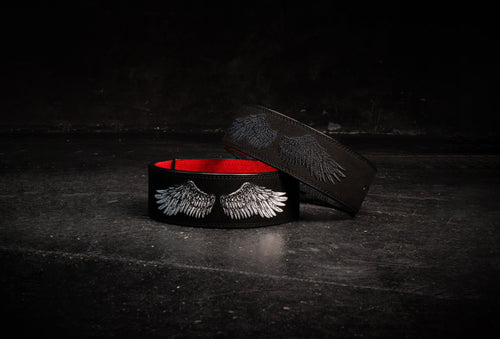
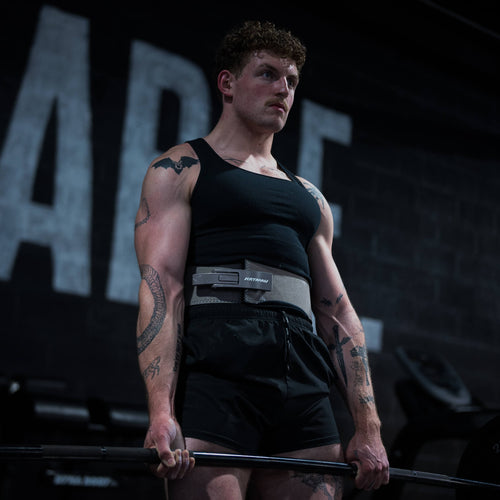
The Katamu Lever Belt stands out in 2026 for those seeking both performance and aesthetics. Crafted with a durable lever mechanism and eye-catching limited-edition designs, this belt is more than just functional—it is a statement piece at the gym.
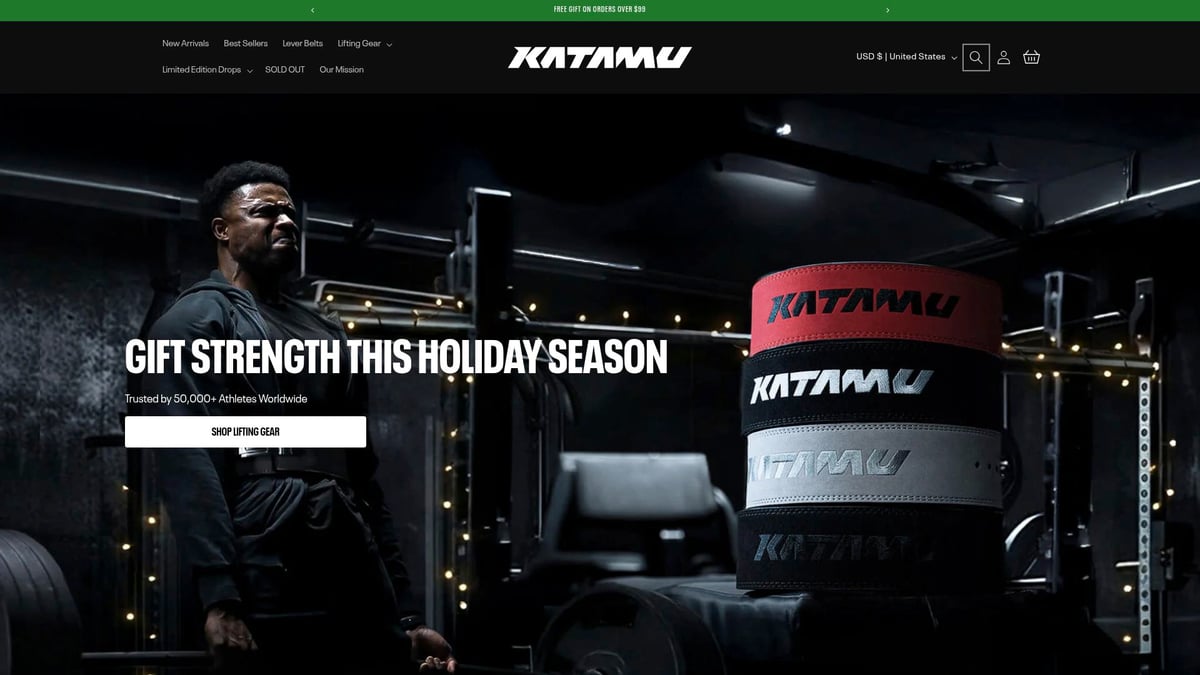
You get a premium experience, with free shipping for USA orders over $75 and a free gift on purchases above $99. The 1-year warranty and 30-day money-back guarantee add peace of mind. This belt is ideal for gym enthusiasts who want their gear to reflect their personality while still delivering on strength and support.
Pros include exceptional build quality, unique style, loyalty rewards, and global shipping. The primary cons are the higher price point and that lever belts may not suit every lift. What truly sets Katamu apart is its limited edition drops and bundled strength kits, building a strong community around the brand.
For an even deeper dive into how this belt compares to others, check out the Best Weightlifting Belts Guide for more comprehensive weightlifting belt reviews and tips.
Rogue Fitness Ohio Lifting Belt
The Rogue Fitness Ohio Lifting Belt is a staple in many weightlifting belt reviews thanks to its combination of high-quality materials and reliable performance. Made in the USA, this belt uses vegetable-tanned leather for a tough, supportive feel.
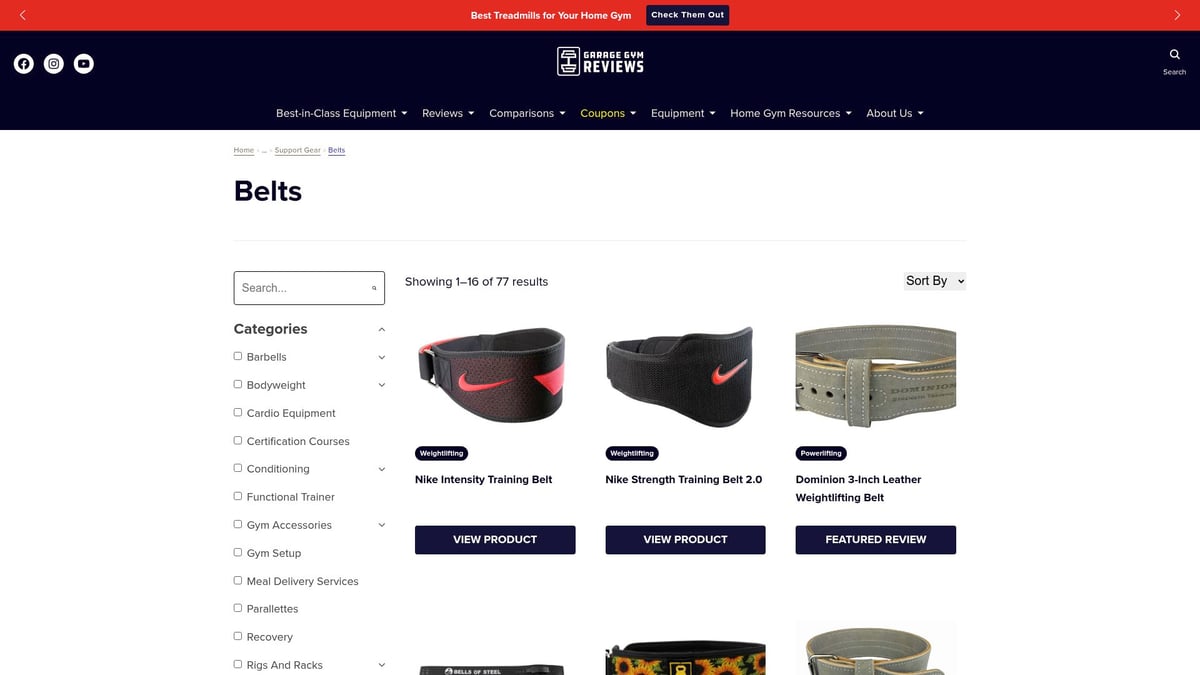
The 10mm thickness and single-prong design provide a secure fit suitable for powerlifters and strength athletes. It is IPF-approved, making it a go-to for competitors. Durability and support are the main highlights, but it does require a break-in period before reaching optimal comfort.
Pros include trusted craftsmanship, secure fit, and a strong reputation in the lifting community. Cons are the higher price compared to some rivals and the initial stiffness. If you are serious about your lifts and want a belt that will last for years, this is a top contender in any weightlifting belt reviews roundup.
Eleiko Weightlifting Belt
The Eleiko Weightlifting Belt is synonymous with elite performance and Scandinavian craftsmanship. Built from high-grade leather, it offers a contoured fit and a double-prong buckle for extra security during Olympic lifts.
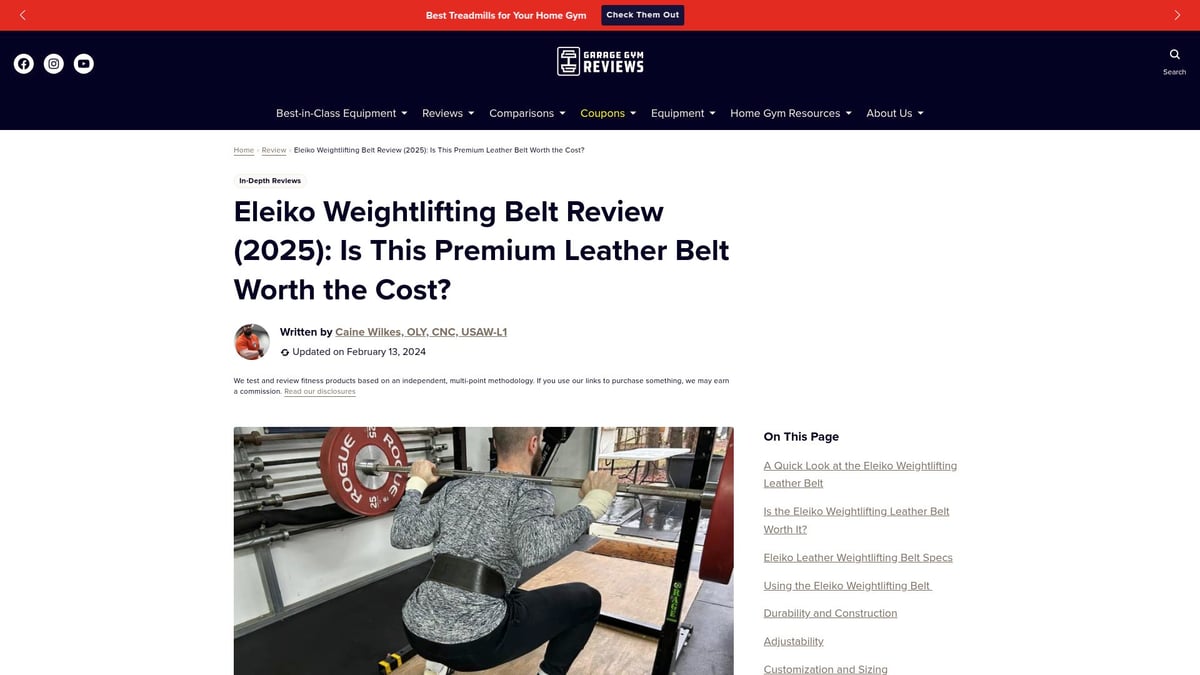
This belt excels in comfort and support, making it ideal for competitive weightlifters and serious athletes. Its premium price reflects the exceptional materials and attention to detail, but limited regional availability can be a drawback for some buyers.
Pros include long-lasting comfort, superior support, and a fit designed for high-level performance. Cons are the cost and sometimes challenging availability. In weightlifting belt reviews , it consistently ranks among the best for Olympic lifting due to its balance of flexibility and firmness.
Harbinger 4-Inch Nylon Weightlifting Belt
If you are looking for a budget-friendly option in weightlifting belt reviews , the Harbinger 4-Inch Nylon Weightlifting Belt is a standout. Constructed from lightweight nylon with an adjustable Velcro closure, it offers flexible support and is easy to adjust on the fly.
This belt is perfect for general fitness enthusiasts and CrossFitters who want comfort without sacrificing too much support. It is affordable, comfortable, and simple to use, but provides less rigidity than leather belts. Over time, the Velcro may show signs of wear, which is a minor tradeoff for the low price.
Pros are its accessibility, comfort, and convenience. Cons include reduced support for maximal lifts and potential Velcro durability issues. As highlighted in many weightlifting belt reviews , it is an excellent starting point for those new to lifting.
SBD 13mm Lever Belt
The SBD 13mm Lever Belt is a force in the world of competitive powerlifting. With a substantial 13mm thickness and a patented lever buckle, this belt is IPF-approved and designed for maximum support during your heaviest lifts.
This belt is favored by those pushing for new PRs, offering robust construction and a fast on/off mechanism. While it is extremely supportive and comes with a strong warranty, its bulk can be challenging for smaller lifters, and the price is on the higher end.
Pros include unmatched support, easy lever action, and a robust warranty. Cons are its size and cost. In weightlifting belt reviews , it is often the first choice for those who demand the best for squat and deadlift sessions.
Inzer Advance Designs Forever Lever Belt
The Inzer Forever Lever Belt lives up to its name with legendary durability and a lifetime warranty. Available in 10mm or 13mm thickness, this belt offers a lever buckle for quick, secure fastening and customizable sizing.
It is popular among powerlifters and strongman athletes for its rock-solid support and long-lasting construction. The main drawback is that it can be stiff during the break-in period, and lever adjustments require a screwdriver.
Pros include a lifetime guarantee, excellent support, and customizable fit. Cons are the initial stiffness and the need for tools to adjust the lever. In countless weightlifting belt reviews , this belt is recommended for serious lifters who want a reliable, long-term investment.
Pioneer Cut Powerlifting Belt
The Pioneer Cut Powerlifting Belt introduces innovation to the classic prong design. Its patented Pioneer Cut offers micro-adjustability, allowing lifters to fine-tune their fit without the need for a lever system.
Made in the USA from high-quality leather, it is customizable in color and design. The single-prong closure is slower to adjust than a lever, but the micro-adjustments provide unparalleled comfort for those who struggle with standard hole spacing.
Pros are micro-adjustability, premium leather, and aesthetic options. Cons are the slower prong closure and initial stiffness. In weightlifting belt reviews , it is praised for bridging the gap between traditional and modern belt technology.
Dark Iron Fitness Genuine Leather Pro Belt
For budget-conscious lifters, the Dark Iron Fitness Genuine Leather Pro Belt is a top pick in weightlifting belt reviews . Made from 100 percent genuine leather at 4mm thickness, it is lightweight yet provides solid support for most lifts.
The double-prong design offers security, and the lifetime replacement guarantee is a significant bonus. While not as supportive for maximal lifts as thicker competition belts, it is flexible, reliable, and easy to wear.
Pros include affordability, flexibility, and a strong warranty. Cons are its thinner profile and less support for maximal loads. For beginners to intermediate lifters, this belt delivers great value without breaking the bank.
Gymreapers Quick-Locking Weightlifting Belt
The Gymreapers Quick-Locking Weightlifting Belt is a favorite in weightlifting belt reviews for functional fitness and CrossFit athletes. Built from durable nylon with a quick-locking buckle, it is USPA-approved for competition and offers fast adjustments.
Its lightweight design makes it versatile for a range of movements, though it does not provide the rigidity of leather belts. The Velcro closure is convenient, but may wear out over time with heavy use.
Pros are easy on/off, secure fit, and competition legality. Cons include less stiffness and Velcro wear. If you need a belt that transitions quickly between exercises, this is a strong option in the 2026 market.
Schiek Sports Model 2004 Lifting Belt
The Schiek Sports Model 2004 Lifting Belt is engineered for comfort and ergonomics. Its patented cone shape and hip/rib contouring make it unique among weightlifting belt reviews , especially for those who struggle with fit.
The Velcro closure allows for quick adjustments, and the lightweight design is easy on the body. While it does not offer the same level of support for max lifts as thicker leather belts, it excels in comfort for high-volume or accessory work.
Pros are ergonomic fit, light weight, and adjustability. Cons are potential Velcro durability issues and less support for maximal loads. For lifters prioritizing comfort or with fit concerns, this belt is a standout choice.
Quick Comparison Table
| Belt Name | Material | Buckle Type | Thickness | Warranty | Price Range | Approval |
|---|---|---|---|---|---|---|
| Katamu Lever Belt | Leather | Lever | 10mm | 1 year | Premium | - |
| Rogue Ohio Belt | Leather | Single Prong | 10mm | - | Mid-High | IPF |
| Eleiko Belt | Leather | Double Prong | 10mm | - | Premium | - |
| Harbinger Nylon Belt | Nylon | Velcro | 4" wide | - | Budget | - |
| SBD 13mm Lever Belt | Leather | Lever | 13mm | Robust | High-End | IPF |
| Inzer Forever Lever Belt | Leather | Lever | 10/13mm | Lifetime | Mid-High | - |
| Pioneer Cut Powerlifting Belt | Leather | Single Prong | 10mm | - | Mid-Range | - |
| Dark Iron Fitness Pro Belt | Leather | Double Prong | 4mm | Lifetime | Affordable | - |
| Gymreapers Quick-Locking Belt | Nylon | Quick-Lock | 4" wide | - | Moderate | USPA |
| Schiek Model 2004 Belt | Nylon | Velcro | 4.75" wide | - | Moderate | - |
In summary, these weightlifting belt reviews give you a comprehensive look at the best options for 2026. Whether you want premium style, ultimate support, or a budget choice, there is a belt here for every goal and budget.
Expert Testing Methodology and Criteria
Choosing the right belt can be overwhelming, especially with so many options on the market. To create reliable weightlifting belt reviews, our team designed a comprehensive hands-on testing protocol. We recruited lifters of all experience levels, from beginners to seasoned competitors, and put each belt through its paces across multiple workouts and movement types.
We focused on standardized lifts like squats, deadlifts, and Olympic movements to evaluate each product’s performance. Our testers measured break-in periods, ease of adjustment, and overall comfort under load. For more on what separates a good belt from the rest, check out the Choosing a Good Lifting Belt guide. This process ensures our weightlifting belt reviews reflect real-world use and provide actionable advice for every athlete.
How We Selected and Tested Belts
Our weightlifting belt reviews started by selecting belts across the full spectrum of materials, closure types, and price points. Each belt was tested by multiple users through a minimum of five workouts, ensuring consistency in feedback and performance data.
We tracked metrics like support during maximal lifts, adjustability for different waist sizes, and durability after repeated use. Every belt underwent a break-in assessment, with testers noting any initial stiffness or discomfort and how quickly the belt conformed to their body. This thorough approach allowed us to highlight differences that matter most to lifters, especially when comparing new releases to classic favorites.
What Matters Most in 2026
In 2026, the landscape for weightlifting belt reviews continues to evolve. Lifters are placing higher value on innovative buckle technology that makes adjustments faster and more secure. Sustainable materials and eco-friendly production methods are becoming increasingly important, reflecting global shifts toward responsible manufacturing.
Style is another growing factor, with many brands offering customizable designs and limited editions. Athletes now expect strong warranty policies and responsive customer support, as return policies and after-sales service weigh heavily in purchasing decisions. The rise of hybrid belts, which blend support and flexibility for multi-sport athletes, is also shaping the market, making versatility a top criterion for many buyers.
Real-World User Feedback
Our weightlifting belt reviews are informed by hundreds of verified buyer ratings and in-depth comments from major retailers. Users consistently praise belts that help them achieve new personal records, citing improved comfort and confidence during heavy lifts. Many lifters note the role of a good belt in injury prevention, especially when pushing maximal loads.
Common complaints include discomfort during the initial break-in period, challenges with sizing, and concerns about Velcro longevity. Warranties and replacement guarantees frequently influence purchase satisfaction, as users want reassurance their investment is protected. By analyzing these trends, we ensure our recommendations address the issues that matter most to the lifting community.
Data-Driven Insights
We analyzed trends and compiled data to bring extra clarity to our weightlifting belt reviews. According to Garage Gym Reviews, lever closure belts saw a 20% increase in popularity between 2025 and 2026, reflecting a shift toward convenience and performance. Price and warranty comparisons reveal that premium belts often come with longer guarantees and more robust support.
| Feature | Budget | Mid-Tier | Premium |
|---|---|---|---|
| Avg. Price | $35-$60 | $60-$120 | $120-$250 |
| Warranty | 1 year | 1-3 years | Lifetime |
| Break-in Period | Short | Medium | Long |
Adoption rates are rising among both recreational and competitive lifters, though competitive athletes are more likely to invest in high-end models. These insights help readers make informed choices based on their unique needs and preferences.
FAQs About Weightlifting Belts in 2026
Weightlifting belt reviews are more popular than ever as athletes seek clear answers to common questions. Here are the top FAQs for 2026:
Can a weightlifting belt really prevent injuries?
Research shows belts can help stabilize your spine and reduce injury risk during heavy lifts. For a deeper dive into effectiveness, see the NIOSH Back Belt Effectiveness Report.
How do I clean and maintain my belt for longevity?
Wipe leather belts with a damp cloth and mild soap, then air dry. Nylon and Velcro belts can often be spot-cleaned. Avoid soaking or machine washing.
Are lever belts better than prong or Velcro belts?
Each type has pros and cons. Lever belts offer fast adjustments and strong support, while prong belts are more adjustable. Velcro belts are lightweight and flexible, best for dynamic training.
What thickness is best for different lifts?
Thicker belts (10mm–13mm) are great for powerlifting and maximal lifts. Thinner or contoured belts suit Olympic lifting and general training.
Are there belts suitable for women or smaller-framed lifters?
Absolutely. Many brands offer sizes and shapes designed for different body types. For more info, check out Weightlifting Belts for Women.
Can I travel with my weightlifting belt?
Yes, most belts fit in gym bags. Some lever buckles can be detached for even easier packing.
What’s the difference between powerlifting and Olympic lifting belts?
Powerlifting belts are typically thicker and uniform in width. Olympic belts are narrower at the front for greater mobility.
How do I know when to replace my belt?
If you notice cracks, stretched holes, or reduced support, it is time for a replacement. Regularly check for wear, especially if you rely on weightlifting belt reviews to find new models.
Now that you’ve seen what sets the top weightlifting belts apart in 2026—whether it’s durability, unique designs, or that perfect lever fit—it’s time to take action on your own lifting goals. If you’re ready to invest in premium gear that’s built to last and stands out in the gym, why not explore some of the best options available? You deserve gear that supports both your progress and your style.
Build your setup
and find the belt that matches your training, your personality, and your ambitions.


