 30-Day Money Back Guarantee

You feel it the first time the bar gets genuinely heavy. A soft belt folds. A cheap buckle shifts. Your brace leaks right when you need pressure most. That is where a real leather lever belt review matters - not as hype, but as a hard look at what actually holds up when squats, deadlifts, and heavy presses stop being casual.
A leather lever belt sits in a very specific lane. It is built for lifters who want fast, consistent tightness with the rigid support that only thick leather really gives. If your training is moving toward heavier compound work, a good lever belt can make your setup sharper and your bracing more repeatable. If your training is more varied, more athletic, or changes day to day, the trade-offs matter just as much as the benefits.
Leather lever belt review: what actually matters
The biggest reason lifters move to a leather lever belt is consistency. Once the lever is set, you get the same fit every time you close it. There is no guesswork, no yanking a prong into place while you are trying to stay focused between sets, and no uneven tension from one session to the next. For powerlifting-style training, that predictability is a real advantage.
The second factor is rigidity. Leather, especially in a 10mm or 13mm build, gives you a firm wall to brace into. That matters when you are trying to create as much intra-abdominal pressure as possible under load. A softer belt may feel more comfortable out of the box, but it usually does less once the weight climbs.
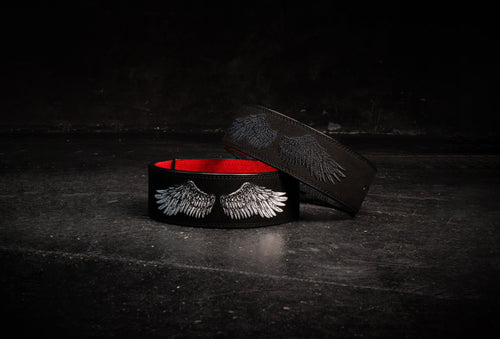
Then there is durability. A well-made leather lever belt should feel dense, structured, and stable. The edges should be finished cleanly, the stitching should look tight, and the lever hardware should feel solid rather than flimsy. A belt like this is not just for one training cycle. It should be part of your setup for years.
Support vs comfort is the real trade-off
The best leather lever belts are not trying to feel invisible. They are trying to create a stable platform around your midsection. That means some stiffness, some break-in time, and some pressure when you lock it down properly.
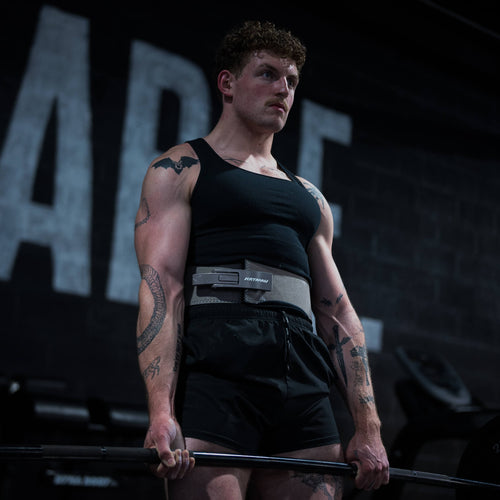
For serious squat sessions, that stiffness is exactly the point. The belt gives you something aggressive to brace against, and that can help you feel more secure and more explosive out of the hole. On deadlifts, it depends more on your build and pulling style. Some lifters love the locked-in feel. Others find a very rigid belt gets in the way of setup, especially if they pull conventional with a shorter torso.
That is why comfort should be judged in context. A belt can be uncomfortable walking around the gym and still be excellent under the bar. What you want is useful comfort - meaning it does not pinch excessively, shift around, or dig in so badly that it changes your mechanics. A little toughness is normal. A belt that fights your position every set is not.
How a leather lever belt should fit
A good fit starts with width and thickness. Most lever belts are 4 inches wide all the way around, which is standard for powerlifting and ideal for maximizing support. That said, not every torso loves a straight 4-inch wall of leather. If you are shorter, have a narrow frame, or feel the belt jams into your ribs and hips at the same time, the issue may be geometry more than quality.
Thickness matters too. A 10mm leather lever belt is the sweet spot for many lifters. It gives serious support without feeling brutally rigid. A 13mm belt offers even more stiffness, but it is not automatically better. For some athletes, especially those newer to belts or those who train across multiple lifts and styles, 13mm can feel like too much belt.
Sizing is where people make expensive mistakes. Your pants size is not your belt size. You should size from your actual midsection measurement where the belt will sit. If your bodyweight changes often because you are cutting, bulking, or competing in weight classes, remember that a lever belt is less flexible to adjust than a prong belt. You can still change the lever position, but it takes more effort than just moving a prong one hole between sessions.
Leather lever belt review: where it shines and where it doesnt
A leather lever belt shines in heavy, repeatable strength work. Squat day, top sets, low-rep strength blocks, and meet prep are where it earns its place. If your goal is to lift heavier with more confidence and a stronger brace, it is one of the best belt styles available.
It also works well for lifters who want fast transitions. Once you are dialed in, opening and closing a lever is quick. That matters when you are moving with intent and do not want to waste energy wrestling with your gear.
Where it falls short is versatility. If your workouts jump from Olympic lift variations to bodybuilding accessories to circuits, a leather lever belt can feel too specialized. It is not the best option for constant micro-adjustments. It is also not ideal for lifters whose waist size fluctuates often enough that re-setting the lever becomes annoying.
Travel and storage are smaller issues, but still real. Thick leather belts are bulky. They take up space in your gym bag, and they do not love being folded or crammed into a locker. If your setup needs to be compact and adaptable, that is worth thinking about.
What separates a premium belt from a forgettable one
A premium leather lever belt does not win on looks alone, even though design matters more than most lifters admit. It wins on construction. The leather should feel dense and supportive, not hollow or overly compressed. The layers should stay tight over time. The holes should not stretch out early. The lever should close with confidence and stay locked under pressure.
Cheap belts usually reveal themselves fast. The finish starts cracking, the edges wear rough, the lever develops play, or the support softens sooner than expected. That is frustrating because a belt is one of those pieces of gear where reliability matters every single week. When your training gets serious, you stop wanting budget gear that feels disposable.
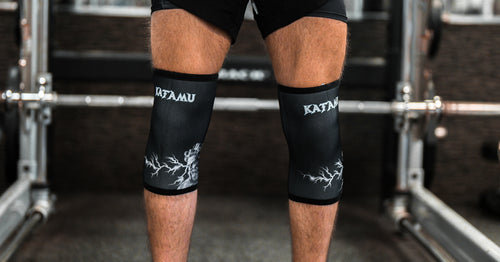
This is where a premium brand earns its place. Clean build quality, dependable hardware, and a belt that looks sharp while handling real load is the standard. For a lot of lifters, style is not extra. It is part of the experience. If your gear reflects the same intensity you bring to training, you are more likely to use it with confidence. That is one reason athletes gravitate toward brands like Katamu - the gear is built for performance, but it still carries identity.
Is a leather lever belt worth it?
If you are lifting heavy enough to need consistent bracing support, yes, it usually is. A good leather lever belt is not a gimmick. It can help you create better pressure, feel more stable, and approach heavy sets with more intent. That does not replace technique, and it does not magically add plates to the bar, but it can become a real performance tool.
If you are newer to training, still learning how to brace, or mostly doing moderate-weight hypertrophy work, maybe not yet. A belt should support good mechanics, not cover up the lack of them. There is no rush to buy the stiffest setup in the gym if your training does not call for it.
The better question is whether your training style matches the tool. If you are building around squat, bench, deadlift, overhead press, and serious strength progression, a leather lever belt makes sense. If your training is more mixed and your needs change daily, a prong belt may give you more freedom.
The right belt should make you feel locked in, not limited. It should hold its shape, hold your brace, and hold up after months of hard sessions. Buy for the training you are doing now, but also for the level you are pushing toward. When the weight gets real, the gear on your waist should feel just as serious.
